
📊 Full opportunity report: Acoustic Dampening, Placement, and the “Rig in the Closet” Setup on ThorstenMeyerAI.com — validation score, market gap, and execution plan.

Get smart everyday buys delivered free with Prime
- Fast, free delivery on millions of items
- Prime Video, Amazon Music and more included
- Member-only deals all year
TL;DR
Moving AI workstations out of the workspace into separate rooms or closets significantly reduces noise. Proper ventilation and soundproofing are essential to prevent overheating in enclosed setups. These strategies are highly effective and often overlooked.
Recent discussions among AI hardware enthusiasts highlight that the most effective way to reduce noise from high-performance AI rigs is to physically relocate the machine away from the workspace, such as into a closet or separate room, rather than relying solely on acoustic treatment.
Experts emphasize that the primary method to minimize noise is to increase distance and isolation from the source. Moving a rig into another room or closet, and operating it headless over a network, can eliminate noise issues entirely. However, this setup requires careful attention to ventilation, as sealed spaces trap heat, risking hardware damage. Proper airflow, either passive or active, is necessary to prevent overheating. Specialized soundproof cabinets with integrated cooling solutions offer a balanced approach, combining noise suppression with heat dissipation. Acoustic foam and vibration decoupling are secondary measures that improve sound quality within a room but are less effective than physical separation.Acoustic dampening
& the rig in the closet.
The most powerful noise fix isn’t a material — it’s a floor plan. A rig you can’t hear because it’s in another room beats any amount of foam. Tap the approaches in Part 1 to see what actually works.
(another room)
(levers 1–4)
(door / barrier)
(acoustic foam)
Contain the noise, not the heat
Why Strategic Placement and Ventilation Matter for AI Rigs
Implementing proper placement and ventilation techniques can vastly improve work environment comfort and hardware longevity. Moving noisy, heat-generating equipment out of the workspace reduces distractions and noise pollution, especially important in shared or home offices. Understanding the distinction between airborne and structure-borne noise helps users choose the right mitigation methods. Properly ventilated closets or soundproof cabinets enable high-power rigs to operate efficiently without overheating, making this approach both practical and scalable for serious AI workloads.soundproof server closet enclosure
As an affiliate, we earn on qualifying purchases.
As an affiliate, we earn on qualifying purchases.
Limitations of Acoustic Foam and Common Misconceptions
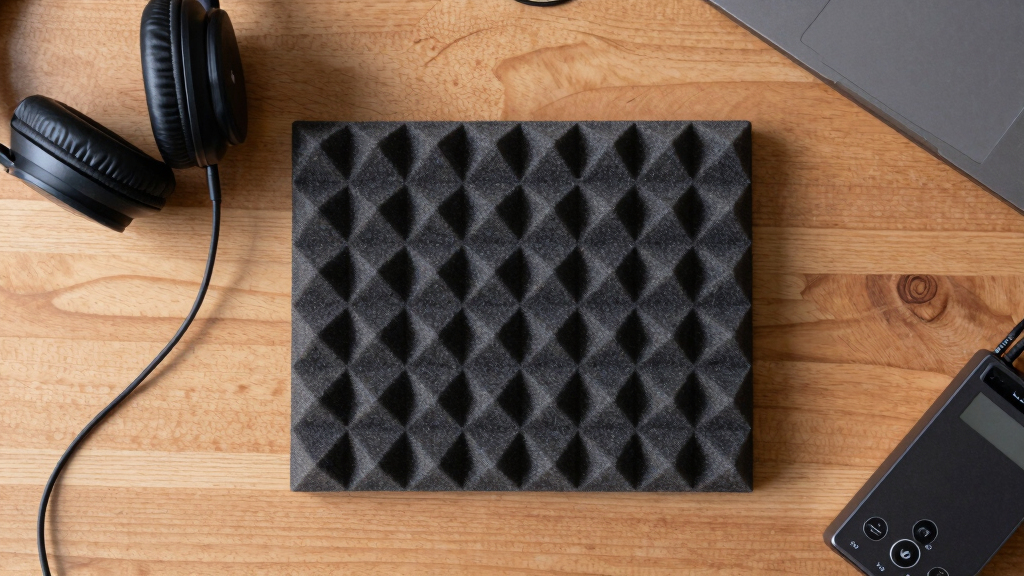
Many users first turn to acoustic foam to dampen noise, but foam mainly absorbs sound reflections within a room and does not block airborne or structure-borne noise. Experts warn that foam alone is insufficient for reducing noise from high-power AI rigs. The most effective solutions involve physical separation and proper ventilation. The concept of placing a rig in a sealed closet or cabinet has gained popularity, but it requires careful design to prevent heat buildup. Industry-grade soundproof cabinets incorporate cooling systems and airflow management, making them a viable option for maintaining quiet and cool operation. This approach aligns with best practices for heat dissipation and noise reduction, especially in environments where space is limited."Moving the rig into another room or closet is often the most effective way to eliminate noise entirely, provided you manage airflow properly."
— Thorsten Meyer, AI hardware expert
AI rig noise reduction foam panels
As an affiliate, we earn on qualifying purchases.
As an affiliate, we earn on qualifying purchases.
Remaining Uncertainties About Long-Term Reliability
It is still unclear how different ventilation methods impact the long-term reliability of hardware in sealed or semi-sealed environments, especially under continuous high loads. The optimal balance between noise reduction and heat dissipation in DIY or custom setups remains an area of ongoing experimentation and debate.silent computer case for high-performance rigs
As an affiliate, we earn on qualifying purchases.
As an affiliate, we earn on qualifying purchases.
Next Steps for Implementing Quiet AI Workstations
Users should evaluate their workspace for possible room or closet placement of their rigs, ensuring proper airflow and cooling solutions are in place. Industry developments may introduce more integrated soundproof and cooling cabinets tailored for AI hardware. Further research and testing are expected to refine best practices, especially for cost-effective DIY solutions. Monitoring hardware performance and temperature in these setups will be critical to validate their effectiveness over time.networked headless AI workstation setup
As an affiliate, we earn on qualifying purchases.
As an affiliate, we earn on qualifying purchases.
Key Questions
Is placing my AI rig in a closet safe?
Yes, if proper ventilation and cooling are implemented, placing a high-power rig in a closet can be safe. It is essential to ensure continuous airflow to prevent overheating.
What are the best ways to ventilate a closet housing an AI rig?
Using active exhaust fans, passive vents, or purpose-built soundproof cabinets with integrated cooling systems are effective methods. Proper ducting and thermostatic controls help maintain safe temperatures.
Can I use acoustic foam alone to quiet my AI workstation?
No. Acoustic foam reduces reflections within a room but does not block airborne or structure-borne noise from high-power hardware. Physical separation and proper ventilation are more effective.
How far should I place my rig from my workspace?
The farther, the better. Ideally, placing the rig in another room or a dedicated closet minimizes noise and heat transfer, especially when operated headless over a network.
What are the costs associated with soundproof enclosures?
Industry-grade soundproof cabinets with cooling systems can be costly, but DIY solutions with proper ventilation and acoustic treatment can be more affordable while still effective.
Source: ThorstenMeyerAI.com
Fall Picks
fall essentials
As an affiliate, we earn on qualifying purchases.