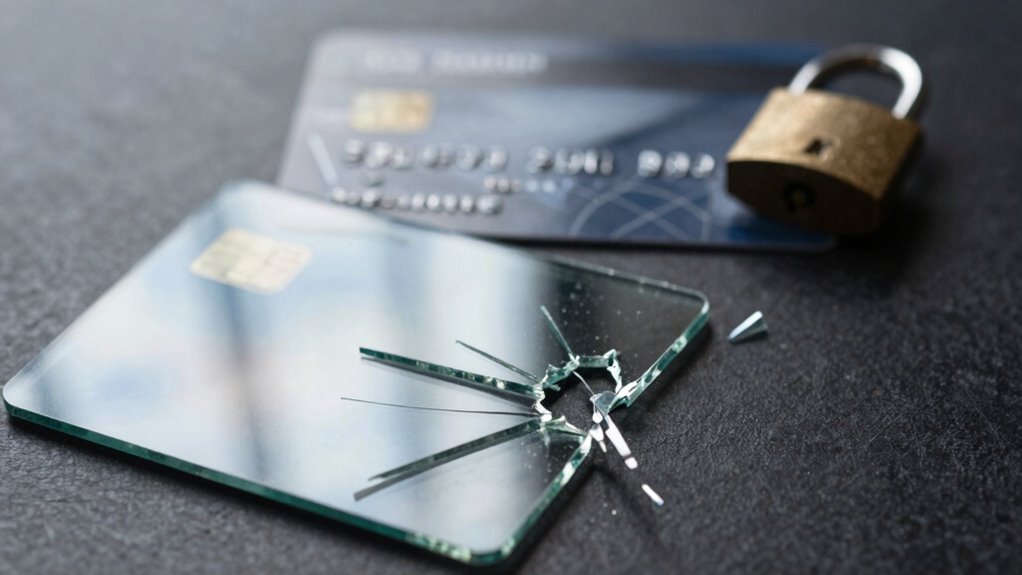

A credit freeze doesn’t protect you from existing account fraud, such as unauthorized purchases, or from scams like phishing that don’t involve applying for new credit. It also won’t stop personal data theft from breaches or malware, nor prevent scams outside of credit reports. Physical security breaches or misuse of stolen info for illegal activities are beyond its scope. To find out more about protecting yourself completely, keep exploring the full range of security tools available.

Get smart everyday buys delivered free with Prime
- Fast, free delivery on millions of items
- Prime Video, Amazon Music and more included
- Member-only deals all year
Key Takeaways
- Fraud involving existing accounts, such as unauthorized purchases or charges.
- Phishing scams that trick individuals into revealing personal information.
- Data breaches exposing personal data outside credit reporting systems.
- Theft of personal information like Social Security numbers or health data.
- Vulnerabilities in online accounts or physical security breaches.
Have you ever thought that placing a credit freeze would fully protect you from identity theft? Many people believe that freezing their credit offers complete security, but that’s not entirely true. While a credit freeze can prevent someone from opening new accounts in your name, it doesn’t stop all forms of identity theft or fraudulent charges. Criminals can still access your existing accounts or use other methods to steal your personal information. So, it’s important to understand what a credit freeze does and doesn’t shield you from.
A credit freeze prevents new accounts but doesn’t stop existing account fraud or personal data theft.
A credit freeze mainly restricts access to your credit report, making it difficult for thieves to open new credit accounts using your information. However, it doesn’t prevent someone from using your existing accounts to make fraudulent charges. For example, if your bank account or credit card details are compromised through phishing or data breaches, a freeze won’t stop the thief from making unauthorized purchases or withdrawals. Your existing lines of credit remain vulnerable, and fraudulent charges can still occur if your account details are stolen or hacked. data breaches are a common way that personal information gets exposed outside of credit report inquiries. Additionally, criminals can exploit vulnerabilities in online accounts to access your financial information even if your credit report is frozen.
Furthermore, a credit freeze doesn’t protect you from scams or fraud that don’t require new credit applications. Phishing scams, where fraudsters trick you into revealing personal information, can still happen regardless of a freeze. Once they have your data, they can perform various types of identity theft, including opening new accounts in your name or making fraudulent charges on your existing accounts. A freeze doesn’t provide any immunity against these types of scams. It’s also important to note that public records or other sources of personal data can be accessed and misused by criminals outside of credit reporting systems.
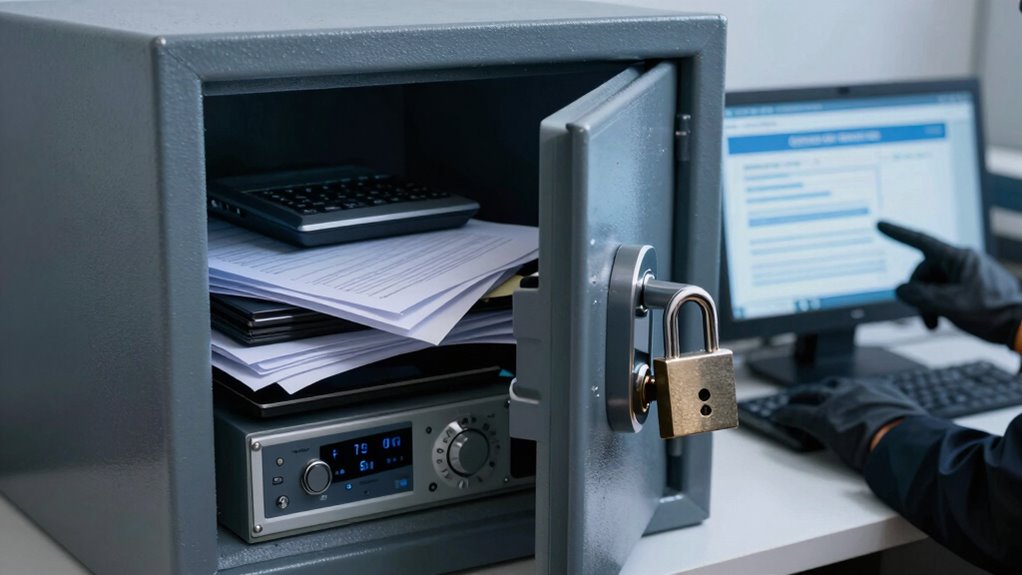
Another limitation is that a credit freeze doesn’t cover other sensitive personal information that might be stolen through data breaches or malware. Your Social Security number, driver’s license, or medical information can be targeted independently of your credit report. Criminals can use this data for various illegal activities, including applying for benefits, filing false tax returns, or committing healthcare fraud. These activities can occur even if your credit report is frozen, since they don’t necessarily involve new credit inquiries. Additionally, security measures like smart locks and office gear are designed to protect physical access and data security outside of credit reports.
In short, a credit freeze is a useful tool for preventing new credit accounts from being opened fraudulently, but it’s not a catch-all solution. It doesn’t stop existing account fraud, scams, or the theft of personal information outside of your credit report. To truly protect yourself, you need a all-encompassing approach that includes monitoring your financial statements, using strong passwords, and staying vigilant against scams. Only then can you better defend yourself against the many ways criminals attempt to commit identity theft and fraudulent charges.
identity theft protection software
As an affiliate, we earn on qualifying purchases.
As an affiliate, we earn on qualifying purchases.
Frequently Asked Questions
Does a Credit Freeze Stop Existing Accounts From Being Accessed?
A credit freeze doesn’t stop existing accounts from being accessed. If someone already has your account information, they can still use those accounts unless you close them. To better protect yourself, consider credit monitoring and fraud alerts, which help detect suspicious activity early. While a freeze prevents new credit lines, staying vigilant with monitoring and alerts is essential to catch unauthorized access to existing accounts.
Can a Credit Freeze Prevent Identity Theft?
About 33% of identity theft cases involve fraudulent applications, but a credit freeze alone can’t prevent all scams. While it stops new accounts from being opened in your name, it doesn’t protect against existing account fraud or unauthorized access. To better guard yourself, combine a credit freeze with account monitoring and prompt fraud alerts. This combined approach helps catch suspicious activity early, reducing your risk of prolonged damage.
Will a Freeze Stop Creditors From Reporting New Debt?
A credit freeze doesn’t stop creditors from reporting new debt, but it does prevent new lenders from accessing your credit report without your permission. You should also consider placing fraud alerts and using credit monitoring services to stay alert for suspicious activity. These tools help you detect unauthorized accounts or inquiries early, providing extra layers of security beyond just freezing your credit.
Does a Freeze Affect My Credit Score?
Ironically, a credit freeze doesn’t directly impact your credit score, so you don’t have to worry about it lowering your score. The freeze benefits include preventing new credit inquiries, which can help protect your score from damage. However, if you’re applying for credit or loans, remember that a freeze might delay approvals. Overall, a credit freeze offers security without harming your credit score—so you stay protected and score stable.
Can Someone Still Access My Credit Report With a Freeze?
Yes, someone can still access your credit report with a freeze if they have your approved PIN or password. This is important for your financial planning and credit monitoring, as it allows trusted entities to review your report when necessary. However, a freeze blocks unauthorized access, helping protect you from identity theft. Always keep your PIN secure and monitor your credit reports regularly to stay aware of any suspicious activity.
credit freeze monitoring service
As an affiliate, we earn on qualifying purchases.
As an affiliate, we earn on qualifying purchases.
Conclusion
A credit freeze is like locking your front door—it keeps out many intruders but doesn’t guard against every threat. Remember, it doesn’t shield you from identity theft through stolen personal info, scams, or fraud committed using other methods. Stay vigilant and proactive, because even the strongest lock can’t stop every shadow lurking in the dark. Protect yourself on all fronts, not just with a credit freeze, but through awareness and caution.
As an affiliate, we earn on qualifying purchases.
As an affiliate, we earn on qualifying purchases.
Halloween Picks
halloween
As an affiliate, we earn on qualifying purchases.