
TL;DR

Get smart everyday buys delivered free with Prime
- Fast, free delivery on millions of items
- Prime Video, Amazon Music and more included
- Member-only deals all year
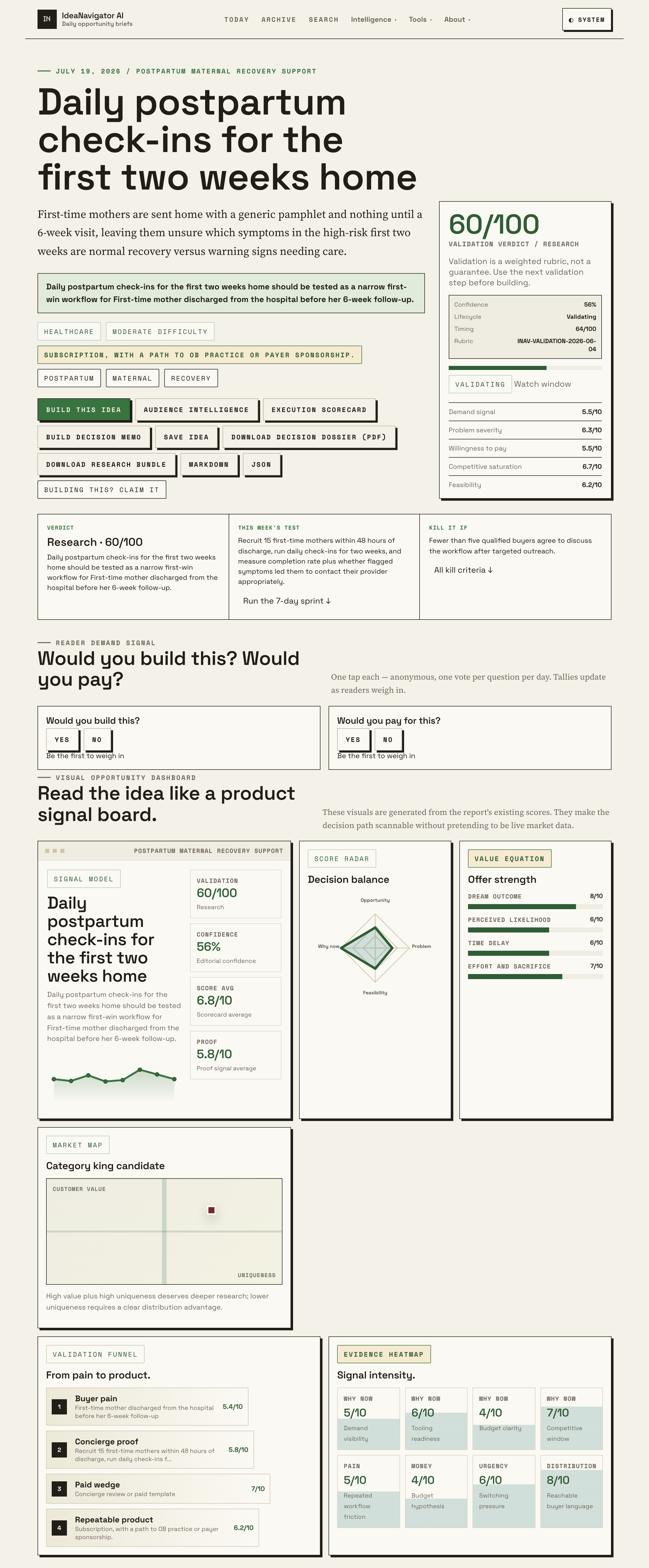
A pilot program is underway to provide first-time mothers with daily postpartum check-ins during the first two weeks after discharge. This initiative aims to address gaps in postpartum care and improve maternal recovery outcomes. The program’s effectiveness and next steps are still being evaluated.
A new pilot program is testing daily postpartum check-ins for first-time mothers during the first two weeks after hospital discharge. The initiative aims to fill the gap in postpartum care that often leaves new mothers uncertain about normal recovery versus warning signs, potentially reducing risks and improving outcomes.
The program targets first-time mothers discharged before their six-week postpartum appointment, offering daily personalized check-ins via smartphone. These check-ins are designed to gather recovery data, provide tailored advice, and prompt contact with healthcare providers if concerning symptoms arise.
According to organizers, the pilot will recruit 15 first-time mothers within 48 hours of discharge. Participants will receive daily prompts based on their delivery details, feeding method, and mental health baseline. The goal is to measure completion rates and whether flagged symptoms lead to appropriate medical contact, thereby assessing the program’s feasibility and impact.
Potential to Transform Postpartum Care Standards
This initiative could significantly improve postpartum support by providing timely, personalized guidance during a high-risk period. If successful, it may reduce maternal complications, decrease emergency visits, and inform new standards for postpartum follow-up, especially as maternal health campaigns highlight the existing care gaps.
As an affiliate, we earn on qualifying purchases.
Addressing the Postpartum Care Gap
Current postpartum care typically involves a single in-person visit at six weeks, leaving a critical window of two weeks where complications can develop unnoticed. Maternal health advocates have raised awareness about this gap, emphasizing the need for more proactive, continuous support during early recovery.
The use of smartphones makes daily check-ins feasible, and recent campaigns have called for innovations to better support new mothers during this vulnerable period. This pilot represents a targeted effort to validate a scalable, digital-first approach to postpartum care.
“Providing daily check-ins could help mothers distinguish normal recovery symptoms from warning signs, encouraging timely care.”
— an anonymous researcher
As an affiliate, we earn on qualifying purchases.
Uncertainties About Program Effectiveness and Scalability
It is not yet clear whether the pilot will demonstrate significant improvements in maternal outcomes or whether the approach can be scaled effectively across diverse populations. The small sample size and short duration mean results are preliminary, and further research will be needed to confirm benefits and cost-effectiveness.
postpartum care kit for new mothers
As an affiliate, we earn on qualifying purchases.
As an affiliate, we earn on qualifying purchases.
Next Steps for Validation and Expansion
The pilot will run for two weeks, with data analysis planned afterward to assess completion rates, symptom reporting accuracy, and healthcare contact prompted by the check-ins. If results are positive, organizers aim to expand the program, seek sponsorship from OB practices or payers, and refine the digital platform for broader deployment.
As an affiliate, we earn on qualifying purchases.
Key Questions
How will the daily check-ins be personalized?
The check-ins will be tailored based on each mother’s delivery details, feeding method, and mental health baseline, to provide relevant recovery tips and symptom prompts.
What symptoms will the check-ins monitor?
The program aims to surface symptoms such as pain, bleeding, mood changes, and signs of infection, prompting mothers to contact their healthcare provider if needed.
Is participation voluntary?
Yes, mothers will opt into the program, and participation is entirely voluntary with the option to withdraw at any time.
Could this replace in-person postpartum visits?
No, the check-ins are designed to supplement, not replace, in-person visits, providing additional support during the critical first two weeks.
When will results from the pilot be available?
Results are expected after the two-week pilot period, with analysis to follow in the subsequent months to determine scalability and effectiveness.
Source: IdeaNavigator AI
Columbus Day / Indigenous Peoples' Day Picks
long weekend sales
As an affiliate, we earn on qualifying purchases.