
📊 Full opportunity report: Voice-Health Apps For Prosumer Users: Spotlight On Pocket Voice Lab on IdeaNavigator AI — validation score, market gap, and execution plan.

Get smart everyday buys delivered free with Prime
- Fast, free delivery on millions of items
- Prime Video, Amazon Music and more included
- Member-only deals all year
TL;DR
Pocket Voice Lab is a new mobile app providing real-time acoustic biofeedback for voice training. It aims to serve transgender, gender-nonconforming individuals, and performers, addressing the lack of accessible, objective feedback between coaching sessions. Pilot testing is beginning to validate user engagement and willingness to pay.
Pocket Voice Lab is testing a new mobile app that provides real-time acoustic biofeedback for voice training, primarily targeting transgender and gender-nonconforming individuals seeking voice feminization or masculinization, as well as public speakers and singers. The app aims to fill a gap in accessible, objective feedback between coaching sessions, potentially transforming how users practice and track progress.
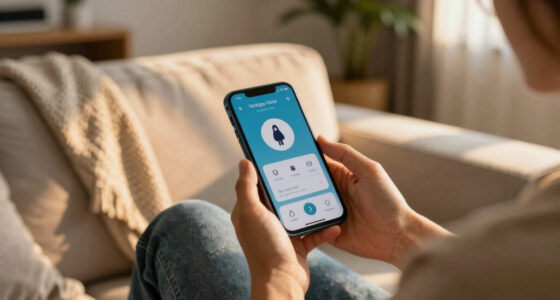
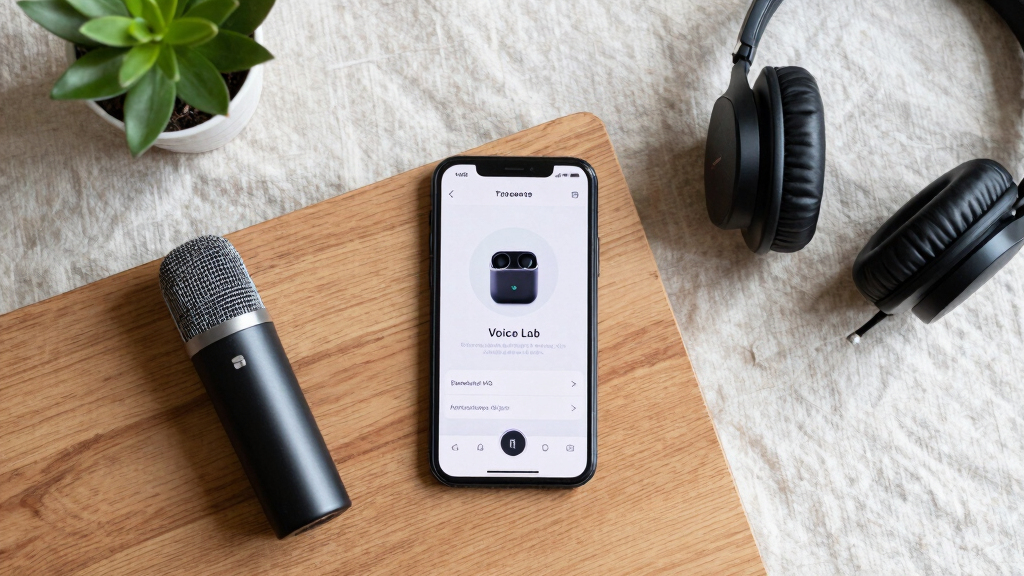
The app, currently in a pilot phase, records short voice samples and delivers visual feedback on fundamental pitch and resonance against user-defined targets. It also includes a basic strain indicator derived from harmonic-to-noise ratio. The initial offering includes 8-12 guided exercises focused on gender-affirming voice work, along with a session log and shareable progress summaries to facilitate communication with clinicians.
This development is driven by advances in smartphone microphone technology and acoustic analysis, which now make real-time feedback feasible without lab hardware. The supporting science considers voice as a clinical biomarker, with peer-reviewed work and prototypes like TruVox and Attuned validating the approach. The market demand is evidenced by the large gender-affirming voice care gap and existing voice coaching apps with millions of downloads, such as Vocal Image.
Potential Impact on Voice-Training Accessibility
This app could significantly improve access to objective, personalized voice training outside traditional clinical settings, especially for transgender and gender-nonconforming users who face barriers like cost, geography, and limited in-person options. By enabling ongoing practice and progress tracking, it may increase motivation and provide valuable data for clinicians. The freemium model and potential licensing to clinics suggest a scalable commercial opportunity, addressing a large unmet need in voice health and gender affirmation.
voice biofeedback app for transgender
As an affiliate, we earn on qualifying purchases.
As an affiliate, we earn on qualifying purchases.
Growing Demand for Accessible Voice-Training Tools
Traditional voice therapy and coaching are often expensive, geographically limited, and require in-person sessions, leaving many users without consistent feedback. Recent technological advances have made real-time acoustic analysis possible via smartphones, and academic research supports voice as a clinical biomarker. Existing apps like Vocal Image have demonstrated consumer willingness to pay for voice feedback, with over 4 million downloads. The gender-affirming voice care gap is well documented, creating an urgent need for scalable, accessible solutions.
“Advances in smartphone microphones and acoustic analysis now make real-time biofeedback practical without lab hardware.”
— an anonymous researcher
As an affiliate, we earn on qualifying purchases.
Uncertainties Around User Engagement and Market Adoption
It is still unclear how many users will find the app effective and engaging enough to sustain regular practice. The pilot phase will test whether at least 40% of users complete three or more guided sessions in the first week and if a significant portion are willing to pay monthly subscriptions. Long-term clinical validation and broader market adoption remain to be seen, along with the app’s ability to integrate with existing clinical workflows.
acoustic voice analysis smartphone
As an affiliate, we earn on qualifying purchases.
As an affiliate, we earn on qualifying purchases.
Next Steps for Validation and Market Entry
The development team plans to run a four-week paid pilot using a landing page and TestFlight prototype, recruiting participants from transgender voice training and public-speaking communities. They will measure user engagement, willingness to pay, and gather feedback through interviews. Pending positive results, the app will move toward a full launch in early 2024, with plans to expand features and potential licensing to clinics.
gender-affirming voice training tools
As an affiliate, we earn on qualifying purchases.
As an affiliate, we earn on qualifying purchases.
Key Questions
How does the app provide feedback on voice pitch and resonance?
The app records a voice sample and displays real-time visual indicators comparing the user’s pitch and resonance to target ranges, along with a strain indicator based on harmonic-to-noise ratio.
Who is the primary target audience for Pocket Voice Lab?
The app is designed mainly for transgender and gender-nonconforming individuals seeking voice feminization or masculinization, as well as public speakers and singers who want ongoing, objective feedback outside of in-person coaching.
What are the main features included in the initial pilot?
The pilot includes 8-12 guided exercises focused on gender-affirming voice work, a session log, progress sharing options, and basic strain measurement. Future updates may expand these features.
When is the commercial launch expected?
The team anticipates launching a full version in early 2024, following successful pilot testing and validation of user engagement.
How will the app make money?
It will operate on a freemium model, offering free daily exercises with paid subscriptions (~$8-15/month) for unlimited access, full progress history, and clinician-shareable reports. Licensing to clinics is also planned.
Source: IdeaNavigator AI
Columbus Day / Indigenous Peoples' Day Picks
long weekend sales
As an affiliate, we earn on qualifying purchases.