

Readers comparing The Psychology of Money by Morgan Housel with I Will Teach You to Be Rich by Ramit Sethi are usually choosing between two kinds of help: a stronger framework for making money decisions or a concrete routine for managing them. Housel uses short stories and behavioral lessons to explain why patience, risk, and personal goals shape financial outcomes. Sethi gives readers a more operational playbook for spending, saving, investing, and handling accounts.

Get smart everyday buys delivered free with Prime
- Fast, free delivery on millions of items
- Prime Video, Amazon Music and more included
- Member-only deals all year

The Total Money Makeover: A Proven Plan for Financial Peace
- ✔ ASIN: 140034252X
- ✔ Edition: Updated and Expanded
- ✔ Primary focus: Personal financial stability
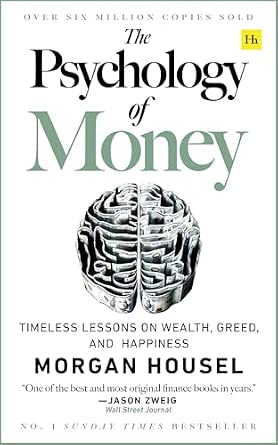
The Psychology of Money: Timeless Lessons on Wealth, Greed, and Happiness
- ✔ ASIN: 0857197681
- ✔ Format: Book
- ✔ Primary focus: Psychology of money
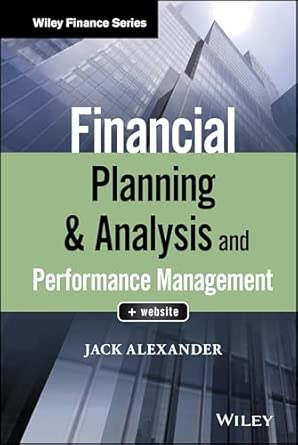
Financial Planning & Analysis and Performance Management
- ✔ ASIN: 1119491487
- ✔ Series: Wiley Finance
- ✔ Primary focus: Financial planning and analysis
The difference matters if you have a specific next step in mind. Choose Housel if your decisions feel tangled in comparison, fear, or uncertainty and you want principles that will remain useful across changing circumstances. Choose Sethi if you want instructions you can act on, especially for organizing accounts, automating contributions, and spending intentionally. Both can help a reader build a healthier relationship with money, but only one is designed to function as a detailed operating system.
At a Glance
| Criteria | The Psychology of Money by Morgan Housel | I Will Teach You to Be Rich by Ramit Sethi | Winner |
|---|---|---|---|
| Primary purpose | Build sound financial judgment through behavioral lessons | Create a practical system for personal finances | Depends |
| Practical step-by-step guidance | Low; ideas are explained through brief essays rather than a full plan | High; organizes actions around accounts, automation, saving, and investing | B |
| Behavior and mindset | Central focus: patience, risk, enough, and personal definitions of wealth | Addresses habits and motivation while emphasizing implementation | A |
| Investing approach | Broad principles about time, risk, and staying invested | Gives a structured approach for long-term investing and account setup | B |
| Spending and lifestyle | Encourages personal goals and avoiding status-driven choices | Promotes conscious spending on priorities while controlling the rest | B |
| Best use over time | Easy to revisit as a lens for decisions | Useful as a setup guide, though details may need periodic updates | A |
| Value for a reader seeking action | Strong value for perspective, weaker as a task checklist | Strong value for readers who will use its instructions | Depends |
The Total Money Makeover: A Proven Plan for Financial Peace
For readers who want financial planning to begin with concrete steps, The Total Money Makeover is the most direct entry in this group. Its updated and expanded edition is described as a practical plan for eliminating debt and building wealth, giving it a clear household-finance focus. Compared with The Psychology of Money, which concentrates on how beliefs and behavior influence decisions, this book is better suited to readers who want an ordered path to follow. That makes it the strongest general pick for someone who has identified debt as the immediate obstacle and wants structure.The same structure is also its central limitation. A preset plan can make decisions feel manageable, but it may not account for every reader’s obligations, priorities, or financial circumstances. The description does not indicate personalized advice, so we should treat its method as a framework to assess rather than a plan tailored to us. It also does not have the workplace performance-management focus of Financial Planning & Analysis and Performance Management. Choose this one for household debt reduction; skip it if we need technical corporate planning or a flexible, individualized strategy.
Pros:
- Offers a structured, step-by-step approach to financial stability
- Focuses on practical debt elimination
- Updated and expanded edition
- Connects debt reduction with building wealth
Cons:
- A rigid sequence may not fit every person’s financial circumstances
- Does not provide personalized financial advice
- Its household focus does not cover professional performance management
Best for: Readers seeking a clear personal finance framework focused on debt elimination and building wealth.
Not ideal for: Readers whose circumstances call for individualized advice, or finance professionals seeking organizational FP&A methods.
Bottom line: We recommend it as the strongest starting point here for readers who want a defined household debt payoff framework and can adapt a general plan to their own needs.
“We recommend it as the strongest starting point here for readers who want a defined household debt payoff framework and can adapt a general plan to their own needs.”
The Psychology of Money: Timeless Lessons on Wealth, Greed, and Happiness
The Psychology of Money earns its place by addressing a part of financial planning that checklists cannot settle on their own: how we think about wealth, risk, greed, and happiness. Its described lessons focus on the perspectives that shape money decisions, which makes it a useful complement to a more procedural guide. Where The Total Money Makeover puts debt reduction into a practical sequence, this title helps readers reflect on why they make particular choices and what they value. That makes it the more fitting pick when our challenge is not simply knowing what steps exist, but understanding our reactions to money.Its broader behavioral lens is not the same as a complete planning toolkit. The supplied description does not promise a budget method, debt payoff schedule, or personalized financial recommendations, so readers looking for an immediate action plan may find it less direct than The Total Money Makeover. It also does not address the organizational planning and performance topics in the Wiley Finance book. We would choose it to add perspective to financial decisions, or alongside a more tactical resource, and skip it as our sole guide if we need detailed instructions for managing a household plan.
Pros:
- Focuses on the psychology behind financial decisions
- Explores wealth, greed, and happiness
- Offers a behavioral perspective distinct from procedural planning
- Can complement a step-by-step personal finance guide
Cons:
- The description does not indicate a detailed planning sequence
- Does not appear focused on professional performance management
- May be too reflective for readers seeking immediate, specific financial tasks
Best for: Readers who want to reflect on how attitudes and emotions shape their financial choices.
Not ideal for: Readers who need a detailed budget, debt payoff sequence, or professional FP&A reference as their primary guide.
Bottom line: We recommend it for readers who want to understand the thinking behind money choices, while pairing it with a more tactical resource when they need a concrete plan.
“We recommend it for readers who want to understand the thinking behind money choices, while pairing it with a more tactical resource when they need a concrete plan.”
Financial Planning & Analysis and Performance Management
Readers working in finance will find the most specialized material in Financial Planning & Analysis and Performance Management. It covers financial planning and analysis alongside performance management, and its placement in the Wiley Finance series signals a professional orientation in the supplied description. Compared with The Total Money Makeover, which is framed around household debt and wealth building, this book addresses planning in a business context. It therefore serves a different job: helping finance practitioners engage with organizational planning and performance rather than guiding a personal budget.That focus earns it third place in a roundup for broad financial planning searches, not because professional subject matter is inherently less useful, but because its audience is narrower. The description cautions that the content may be too advanced for beginners and may lack practical case studies. Readers new to finance or looking for a personal money system could find the concepts distant from daily decisions. Choose it when our work involves FP&A or performance management; skip it when we want accessible guidance for household finances or a reflective introduction to money behavior.
Pros:
- Covers financial planning and analysis topics
- Includes performance management strategies
- Professional focus distinguishes it from personal finance books
- Part of the Wiley Finance series
Cons:
- Specialized content may be too advanced for beginners
- Professional focus may not translate to household money decisions
- The supplied description notes a possible lack of practical case studies
Best for: Finance practitioners who need a focused guide to financial planning, analysis, and organizational performance management.
Not ideal for: Personal finance beginners, household budget planners, or readers seeking an accessible introduction to money habits.
Bottom line: We recommend it for finance professionals seeking an FP&A reference, but general readers should start with a personal finance or behavioral title instead.
“We recommend it for finance professionals seeking an FP&A reference, but general readers should start with a personal finance or behavioral title instead.”
As an Amazon Associate we earn from qualifying purchases.
Key Differences
The books differ most in what they ask the reader to do. Housel asks readers to examine the beliefs and emotional reactions behind financial choices. Its concise essays can help explain why a high income does not automatically produce security, why patience matters, and why a plan must fit the person following it. That makes the book especially relevant when the problem is not a missing spreadsheet but a tendency to take too much risk, chase status, or abandon a long-term strategy.
Sethi is more prescriptive. He breaks money management into practical moves, from organizing accounts and automating transfers to investing and deciding where spending is worth it. That structure gives readers a clearer path from reading to action. The tradeoff is that a detailed system asks readers to adapt instructions to their own circumstances and to check whether account rules, products, and other specifics still apply. Housel’s principles age more easily, but they do not provide the same implementation support.
For a reader choosing just one, the deciding question is whether the main obstacle is judgment or execution. If you already have workable financial routines but want to make calmer, more durable decisions, Housel is the better match. If you want to set up a routine and need concrete direction, Sethi is the stronger first purchase. Neither book replaces individualized financial, tax, or legal advice.
Detailed Comparison
Primary purpose (major difference)
Housel concentrates on how people make financial decisions and why their behavior can matter as much as their calculations. Sethi concentrates on building a repeatable personal finance system. Neither purpose is universally better, so the winner depends on the reader’s immediate problem: perspective favors A; execution favors B. The difference is major because each book spends its pages solving a different kind of problem.
Practical step-by-step guidance (I Will Teach You to Be Rich by Ramit Sethi wins — major)
Sethi wins by a wide margin. His book gives readers an organized route through accounts, automation, saving, and investing, making it easier to turn a chapter into a task. Housel offers ideas and memorable examples rather than a complete sequence of actions. The gap is major: choose B when you want to know what to set up next; choose A when you want a better basis for deciding what actions make sense.
Behavior and mindset (The Psychology of Money by Morgan Housel wins — major)
Housel wins, with a major advantage for readers who struggle with comparison, impatience, fear, or changing strategies after market moves. The book frames financial success around behavior and personal needs, not just maximizing returns. Sethi also discusses habits and motivation, but his emphasis is on executing a system. In practice, A is more useful when emotional reactions repeatedly undermine an otherwise sensible plan.
Investing approach (I Will Teach You to Be Rich by Ramit Sethi wins — moderate)
Sethi wins for readers who want a more structured introduction to putting investing into a broader financial routine. Housel provides durable principles about risk, time, and staying invested, but fewer implementation details. The difference is moderate: B offers more direction on how investing can fit into a system, while A helps readers think about the tradeoffs and behavior that support a long horizon. Any specific investment choice still requires personal research.
Spending and lifestyle (I Will Teach You to Be Rich by Ramit Sethi wins — moderate)
Sethi wins for practical spending guidance. His framework pairs deliberate spending on what matters to the reader with control over less valued expenses. Housel’s emphasis on defining what is enough and avoiding status competition provides a strong underlying principle, but less of a spending routine. The difference is moderate: choose B to shape a working budget; choose A to reflect on the values behind it.
Best use over time (The Psychology of Money by Morgan Housel wins — minor)
Housel has a minor advantage as a book to revisit. Its behavioral principles are not tied to a particular account setup, so they can remain relevant as circumstances change. Sethi is more useful during the initial work of creating a system, although readers may need to check current details against today’s rules and available services. A suits recurring reflection; B is especially useful during setup and routine changes.
Value for a reader seeking action (moderate difference)
There is no single winner because value depends on follow-through. Sethi is worth paying more for, if it costs more in the edition available to you, when its instructions help you build and automate a system you would otherwise leave unfinished. Housel can be the better value for a reader who needs a compact set of principles and is already comfortable handling the mechanics. The gap is moderate and depends on the reader’s next task.
The Psychology of Money by Morgan Housel: Pros and Cons
Pros:
- Clear, memorable lessons about risk, patience, and personal definitions of wealth
- Short essays make it easy to read in small sittings and revisit
- Behavioral principles can apply across income levels and changing financial circumstances
Cons:
- Does not provide a detailed financial setup checklist
- Readers seeking account, budget, or investing instructions may need another guide
- Stories and principles can leave the reader to decide how to translate ideas into an individual plan
I Will Teach You to Be Rich by Ramit Sethi: Pros and Cons
Pros:
- Offers a structured route through saving, spending, investing, and automation
- More directly converts reading into concrete financial tasks
- Connects spending with personal priorities instead of treating every expense as equally bad
Cons:
- More prescriptive, so readers need to adapt the system to their own needs
- Some product, account, or rule details may need checking against current information
- Its implementation focus may be more than a reader needs if the main goal is perspective
Who Should Choose What
Choose The Psychology of Money by Morgan Housel if:
- You want to understand how fear, comparison, or impatience affects your financial choices.
- You already manage the mechanics reasonably well and want durable principles for long-term decisions.
- You prefer short, reflective chapters over a detailed program.
Choose I Will Teach You to Be Rich by Ramit Sethi if:
- You want a clear sequence for organizing accounts, automating money, and starting an investing routine.
- You have good intentions but need practical steps to make them consistent.
- You want a framework for spending freely on priorities while controlling other costs.
Skip both if: You need personalized answers to a complex tax, debt, retirement, or investment situation; use a qualified professional or a source tailored to that specific question.
Value for Money
Both books can offer good value at a typical book price, but they earn it in different ways. Pay more for Sethi, if the edition you find costs more, when you will use its structure to make concrete changes such as automating savings or organizing your accounts. The value comes from implementation, not from a promise that one system fits every reader. Check current financial rules and product details before acting on specifics.
Housel is the better value for a reader who wants perspective that can guide decisions for years and does not need a step-by-step plan. Its brief essays make it easy to return to a useful idea, though readers who need a checklist may have to find that support elsewhere. If price is the main concern, buy the book that addresses the obstacle you actually face; a cheaper guide that does not get used is poor value.
Final Verdict
For most readers who are actively trying to put their finances in order, choose I Will Teach You to Be Rich. Its practical structure makes it the stronger single starting point when you need to build routines, automate decisions, and connect spending to your priorities. Choose The Psychology of Money if your financial habits are already organized but you want better judgment around risk, patience, and what wealth means to you. The biggest deciding factor is whether you need a working system or a stronger decision-making mindset. Readers with both needs may benefit from Sethi for setup and Housel for perspective.
Frequently Asked Questions
Which book is better for a beginner?
For a beginner who needs practical steps, I Will Teach You to Be Rich is the more direct starting point. Choose The Psychology of Money first if you already know the basics and want to improve how you think about risk and long-term choices.
Does The Psychology of Money include a financial plan?
No. It presents behavioral lessons and decision principles, rather than a complete budget, account setup, or investing checklist. Readers seeking an operational plan will get more direct guidance from Sethi’s book.
Is I Will Teach You to Be Rich still useful if its details age?
Its approach to organizing and automating finances can remain useful, but readers should verify current account terms, products, and rules before following any specific instructions. Its core value is the system and the emphasis on putting routines in place.
Should I read both?
Reading both can make sense if you want a practical routine and a stronger behavioral framework. Start with Sethi if you need actions now; start with Housel if emotional decisions or comparison are the main source of difficulty.