Recent data confirms the coding singularity is accelerating faster than previously thought, with AI systems now capable of near-human software engineering tasks.
Browsing Category
AI Governance
144 posts
Mistral. The fourth path.
Mistral, a Paris-based AI firm, raised over $830M in 2026, becoming Europe’s leading commercial AI player despite performance gaps with US models.
Minerva. The opposite path.
Italy’s Minerva project trained from scratch on 2.5 trillion tokens but scored just 4.9% on Italian exams, raising questions about scale and effectiveness in sovereign LLMs.
The Forecast Is the Plan.
Major AI labs publicly commit to automating AI research by 2026, signaling a shift from aspiration to strategic execution with broad implications.
AMÁLIA · The Three Hard Questions.
Portugal’s €5.5M AMÁLIA project, a European Portuguese language model, is operational but raises key structural questions about openness, native data, and goals.
The Atlas. What the framework is.
An in-depth analysis of The Atlas framework, its empirical basis, and its implications for labor displacement and policy responses amid AI-driven change.
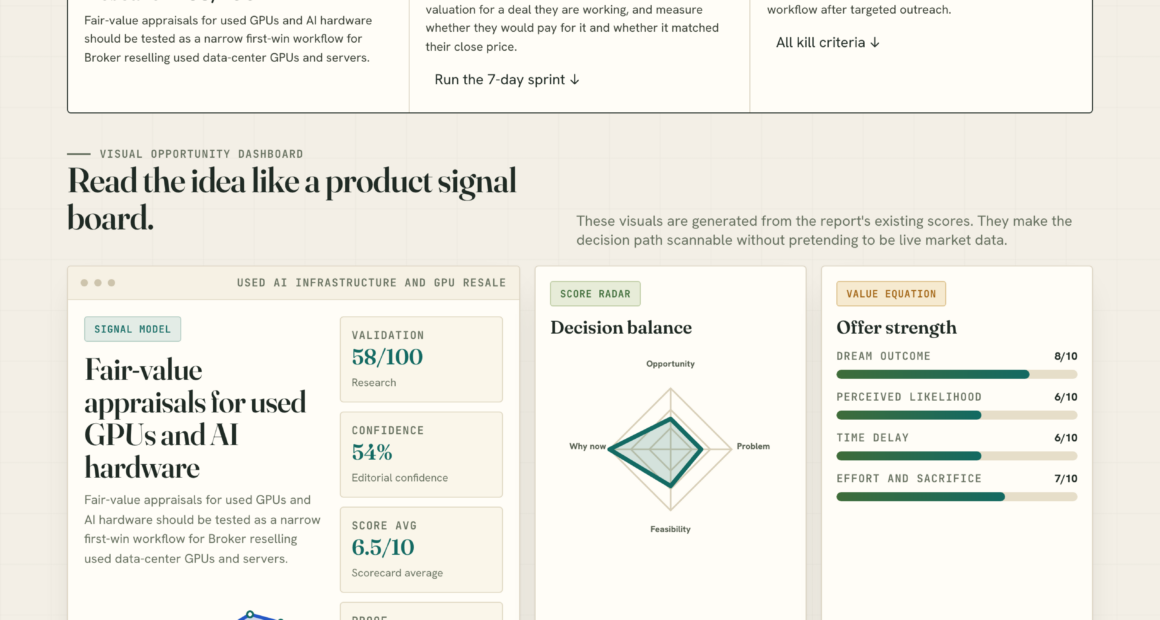
Fair-value appraisals for used GPUs and AI hardware
A new manual valuation method for used AI hardware aims to establish fair market prices, helping brokers resolve pricing disputes and improve resale accuracy.
The Roblox Cheat That Broke Vercel.
A Roblox auto-farm script downloaded by an employee led to a major security breach at Vercel, exposing customer credentials across multiple platforms in May 2026.
China Sphere Capability Gap, Q2 2026 Update: Five Labs, Five Strategies, One Narrowing Frontier
Chinese labs shipped five frontier-tier models within four weeks in April 2026, narrowing the capability gap with US leaders. This shapes AI deployment strategies worldwide.
The Regulatory Vacuum.
Google disclosed a zero-day vulnerability exploited by criminal actors on May 11, 2026, but regulatory frameworks remain absent, raising urgent policy concerns.