
TL;DR

Get smart everyday buys delivered free — and shop member deals
- Fast, free delivery on millions of items
- Access to Prime Big Deal Days deals on October 6–7
- Prime Video, Amazon Music and more included
Rescuers have located and recovered the final victim of the avalanche that struck Kabardino-Balkaria, ending the search after several days. This disaster is now Russia’s deadliest mountain incident in over two decades, highlighting ongoing mountain safety concerns.
Rescuers have recovered the final victim of the deadly avalanche in Kabardino-Balkaria, marking the conclusion of a multi-day search operation. The incident, which resulted in numerous fatalities, is now confirmed as Russia’s deadliest mountain disaster since 2002, according to authorities.
The rescue teams located and retrieved the last missing person on March 24, after days of intensive effort in the mountainous region of Kabardino-Balkaria. The avalanche occurred on March 20, affecting a group of climbers and hikers in the region, with initial reports indicating multiple casualties. The final victim’s recovery was confirmed by regional emergency officials, who have been coordinating the search and rescue operations.
According to the Ministry of Emergency Situations, the avalanche struck during a period of heavy snowfall and unstable weather conditions, which hampered rescue efforts initially. The region’s rugged terrain and ongoing adverse weather conditions have made access difficult, prolonging the search for survivors and victims. The authorities have not yet released the identities of all victims, citing privacy concerns and ongoing investigation procedures.
This disaster surpasses previous mountain-related fatalities in Russia, making it the most lethal incident since 2002, when a series of avalanches in the Caucasus region resulted in significant loss of life. Officials have expressed condolences and are reviewing safety protocols for mountain expeditions in the area, aiming to prevent similar tragedies in the future.
Why This Avalanche Marks a Turning Point in Mountain Safety
The recovery of the final victim underscores the severity of the avalanche, which has now claimed more lives than any mountain disaster in Russia in over 20 years. This incident highlights ongoing risks associated with mountain tourism and outdoor activities in the Caucasus, especially amid unpredictable weather patterns. The event has prompted calls for stricter safety regulations and better preparedness for rescue teams operating in remote, high-altitude regions. It also raises awareness about the dangers faced by climbers and hikers in Russia’s mountainous areas, potentially influencing policy and safety standards in the sector.
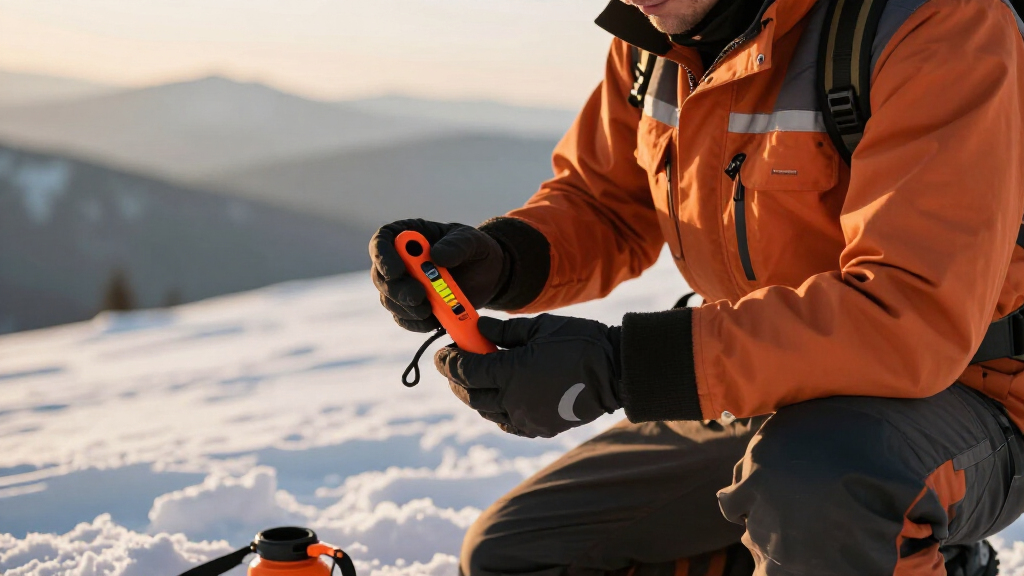
mountaineering avalanche safety kit
As an affiliate, we earn on qualifying purchases.
As an affiliate, we earn on qualifying purchases.
Background on Mountain Disasters in Russia and Recent Trends
Russia’s Caucasus region has historically been a popular destination for mountaineers and adventure tourists, but it also carries significant risks due to its challenging terrain and unpredictable weather. The last major avalanche disaster before this incident occurred in 2002, which resulted in a large number of fatalities. Over the past decade, there has been increased interest in mountain tourism, coupled with reports of insufficient safety measures and rescue preparedness. The recent avalanche in Kabardino-Balkaria is now considered the deadliest in the country since those earlier incidents, drawing renewed attention to mountain safety issues.
Search interest and media coverage of mountain accidents in Russia have spiked in recent days, driven by the severity of this event and its implications for outdoor safety standards. Authorities and safety organizations are now under pressure to assess and improve existing protocols to prevent future tragedies.
As an affiliate, we earn on qualifying purchases.
Unresolved Questions About Avalanche Causes and Safety Measures
It is still unclear what specific factors triggered the avalanche, including detailed weather conditions and terrain stability at the time. Authorities have not yet released comprehensive reports on the incident’s causes or whether safety protocols were properly followed. The identities of all victims remain undisclosed pending family notifications and investigations. Additionally, the long-term impact on mountain tourism policies in the region is still being evaluated.
As an affiliate, we earn on qualifying purchases.
Next Steps in Investigation and Mountain Safety Policy
Authorities are expected to publish a detailed report on the avalanche’s causes within the coming weeks. Safety agencies are also reviewing existing regulations and rescue operations to identify improvements. There may be increased safety measures and restrictions on mountain activities in the region, aiming to prevent similar tragedies. Meanwhile, the families of victims are being notified, and memorial services are anticipated.
As an affiliate, we earn on qualifying purchases.
Key Questions
How many people were affected by the avalanche?
Initial reports indicated multiple casualties, with the final victim recovered on March 24. The exact number of fatalities and survivors has not been officially confirmed but is believed to be significant.
What caused the avalanche?
Authorities have not yet released a detailed cause. It is believed that recent heavy snowfall and unstable weather conditions contributed, but an official investigation is ongoing.
Will mountain activities be restricted after this incident?
It is likely that safety regulations and restrictions will be reviewed and possibly tightened, but specific policy changes have not yet been announced.
Are the victims identified?
The identities of the victims have not been publicly disclosed, pending family notifications and ongoing investigations.
Source: rss
Fall Picks
fall essentials
As an affiliate, we earn on qualifying purchases.