
📊 Full opportunity report: Using Invoice Audits To Manage Restaurant Food Costs on IdeaNavigator AI — validation score, market gap, and execution plan.

Get smart everyday buys delivered free with Prime
- Fast, free delivery on millions of items
- Prime Video, Amazon Music and more included
- Member-only deals all year
TL;DR
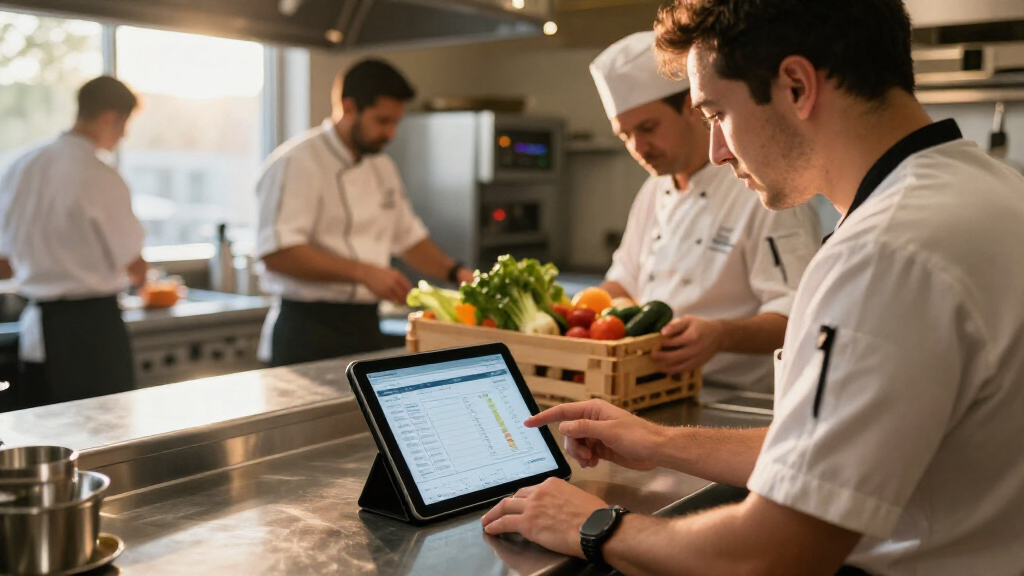
A proposed workflow for independent multi-unit restaurant groups would check supplier invoices against orders, delivery records and contracted or quoted prices. The idea is a business opportunity, not a reported product launch: its potential value would need to be tested against paid invoices and recovered credits.
IdeaNavigator AI has proposed an invoice-audit service for independent restaurant groups with multiple locations, designed to find discrepancies between supplier bills, orders, deliveries and agreed prices. The proposal recommends testing the workflow against 90 days of paid invoices at three groups before investing in a product or deciding whether recovered credits could support subscription fees.
The proposed customer is a purchasing director or controller overseeing broadline and specialty food and beverage suppliers. The problem described is a recurring reconciliation gap: contracted or quoted prices may not appear on invoices, cases billed in full may be short-shipped, substitutions may carry higher prices, and item costs may rise between orders. The proposal says these discrepancies can flow into food costs when delivery paperwork and bills are not checked against purchase records.
The suggested minimum product would accept supplier invoices through electronic data interchange (EDI) where available, or through PDF and photo-based optical character recognition. It would load supplier contracts or quote sheets and the restaurant group’s order guide, then compare each line across what was ordered, received, billed and agreed. The system would flag possible overcharges, full-price billing for short deliveries, higher-priced substitutions and week-to-week price changes.
It would also draft credit requests for suppliers and track them until the credit appears on a later invoice. The proposed business model is a monthly fee per location, with an optional contingency fee tied to credits recovered. No product launch, customer results, subscription price or demonstrated recovery rate is provided in the proposal.
Using Invoice Audits to Manage Restaurant Food Costs
IdeaNavigator AI proposes checking supplier invoices against orders, deliveries and agreed prices. The service is an untested business opportunity, with no launch or recovery results reported.
What the audit would check
Each invoice line is compared with purchasing and delivery records.
Use invoices from EDI, PDFs or photos, plus contracts or quotes and the order guide.
Check what was ordered, received and billed against the agreed price.
Flag discrepancies, draft supplier credit requests and track them to a later invoice.
Discrepancies that can affect costs
Agreed price missed
A contract or quote price may not appear on the supplier invoice.
Short shipment billed in full
A group may be charged for cases that were not delivered.
Higher-priced replacement
A substituted item may carry a higher price than expected.
Costs rise between orders
Price changes can be harder to spot across suppliers and locations.
A trial before investing
The proposal recommends measuring documented credits against a planned monthly fee per location.
- Examine 90 days of paid invoices and pricing documents.
- Count price differences, short shipments billed in full and price changes.
- Record which flagged cases result in supplier credits.
- Compare documented credits per location with the subscription fee.
- Proceed only if recoveries clearly exceed the fee.
- Reassess the business case if they do not.
Where Invoice Checks Could Protect Margins
For restaurant groups, catching billing differences could matter because costs on supplier invoices feed directly into the food-cost figures managers use to monitor operations. A missed contract price or a charge for goods not received can reduce the margin on sales unless the discrepancy is corrected or absorbed elsewhere. An audit process could give purchasing and finance teams a consistent way to identify exceptions across locations and suppliers.
The proposal also frames the timing around food-price pressure. It cites the USDA Economic Research Service’s September 25, 2026 Food Price Outlook, which forecast retail beef and veal prices would rise 9.4% and wholesale beef prices 8.5% in 2026, compared with a 3.5% forecast increase in food-away-from-home prices. Those figures are forecasts, not confirmed outcomes. If supplier costs rise faster than menu prices, the ability to verify agreed prices and quantities may become more relevant to operators. The figures alone do not establish how much an audit would recover for any particular restaurant.
Products Worth Considering

Canon SELPHY CP1500 Compact Photo Printer (White)

HP OfficeJet 250 Wireless Mobile All-in-One Inkjet Printer

Canon imagePROGRAF PRO-1100 17-Inch Professional Wireless Inkjet Photo Printer
As an affiliate, we earn on qualifying purchases.
A Proposed Three-Group Trial
The idea is presented as a narrow initial workflow, rather than a broad restaurant-management platform: focus first on one buyer inside a multi-unit group and on checking supplier invoices against existing records. That scope matters because invoice formats, delivery practices and pricing agreements can differ across suppliers. The proposal accounts for this by allowing EDI, PDFs or photos and by using each group’s contracts or quote sheets and order guide as comparison points.
Its suggested validation is a 90-day lookback at three restaurant groups. The review would total charges above agreed prices, short-shipped cases billed in full and price creep, then compare documented credits with a planned subscription fee per location. The recommendation is to proceed only if those credits clearly exceed the fee. No findings from such a trial are reported, and no customer group is identified as having completed one.
Recovery Rates Remain Untested
The proposal does not establish how frequently supplier discrepancies occur, how many flagged charges suppliers would approve for credit, or how quickly credits would appear. It also gives no pricing for the proposed service, no implementation costs and no results from the recommended review of three groups. Those details are needed to judge whether recovered credits would exceed subscription and operating costs.
It is also unclear how reliably the workflow could interpret different invoice layouts, substitutions, delivery records and contract terms, or how much manual review would still be needed. The cited USDA figures are forecasts, and the proposal does not quantify their effect on individual restaurants’ purchasing costs or menus. Until a trial produces documented results, the service’s financial benefit remains a hypothesis.
Measure Credits Before Building
The next step laid out in the proposal is to examine 90 days of paid invoices and pricing documents from three independent restaurant groups. That analysis would tally price differences, short shipments billed in full and price changes, then record which cases result in supplier credits. The comparison should use documented credits per location against the subscription fee under consideration.
No trial timetable, participating groups or decision date has been announced. If the review shows recoveries that clearly exceed the proposed fee, the idea calls for proceeding with the workflow; if not, the business case would need reassessment. The proposal does not report that either outcome has occurred.
Source: IdeaNavigator AI
Key Questions
Has an invoice-audit product for restaurant groups launched?
No launch is reported. IdeaNavigator AI describes a business opportunity and a proposed minimum product, but provides no release date or evidence of a completed product.
What would the proposed audit compare?
It would compare each invoice line with the order, delivery record and agreed price, using supplier contracts or quote sheets and the restaurant group’s order guide. It is designed to flag possible overcharges, short shipments billed in full, higher-priced substitutions and price changes.
How would the idea be tested?
The proposal recommends reviewing 90 days of paid invoices and pricing documents at three restaurant groups, then comparing documented credits per location with the planned subscription fee.
Are recovered credits or savings confirmed?
No. The proposal reports no trial results or recovery figures. Whether suppliers would approve flagged charges for credit, and whether those credits would cover service costs, remains untested.
Source: IdeaNavigator AI