

If someone else shares your name online, start by searching your name to identify conflicting or misleading content. Gather evidence like screenshots to document false or damaging info and report it to website administrators or social media platforms. Build or update your professional profiles and create a personal website to establish a positive presence. Protect your identity by monitoring credit reports and securing accounts. Continuing your efforts can help you better manage your online reputation and stay protected.

Get smart everyday buys delivered free with Prime
- Fast, free delivery on millions of items
- Prime Video, Amazon Music and more included
- Member-only deals all year
Key Takeaways
- Search and review online content to identify false or misleading information linked to your name.
- Create or update professional profiles to establish a positive digital presence and differentiate yourself.
- Contact website or platform administrators to report and request removal of harmful or inaccurate content.
- Monitor your credit reports and secure accounts if you suspect identity theft related to your name.
- Keep detailed records of all communications and stay informed about online security best practices.
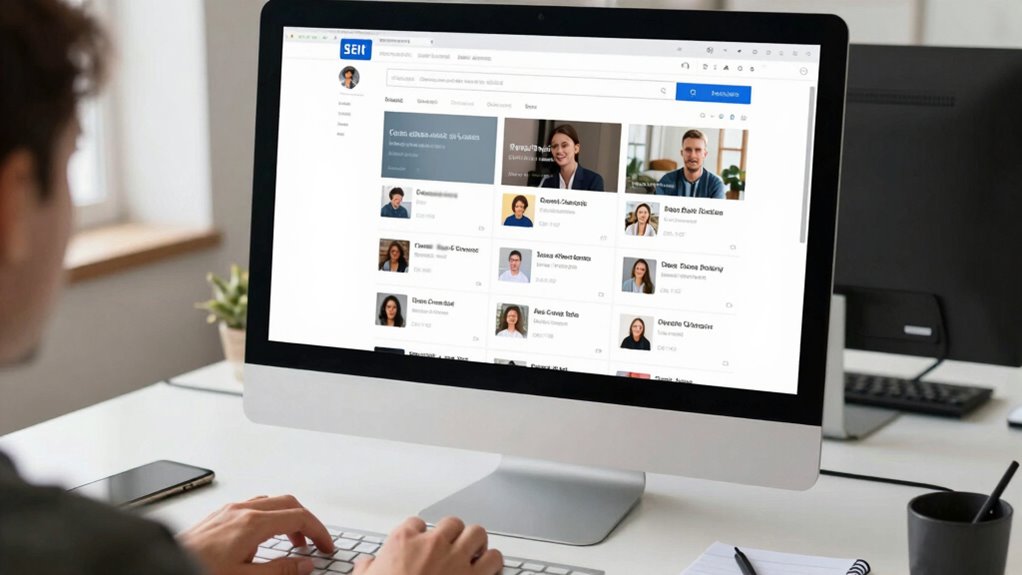
Discovering that someone else shares your name online can be unsettling, especially if their digital presence conflicts with your reputation. You might worry about how their actions could impact your online reputation or even lead to identity theft. It’s natural to feel concerned, but taking prompt, informed steps can help you regain control and protect yourself. First, start by evaluating what information about you is publicly available. Search your name on popular search engines and review the results carefully. Take note of any conflicting or misleading content that could harm your reputation or suggest illicit activity. If you find false information or inaccurate details, document them thoroughly, including screenshots and links, so you have evidence when you need to report or dispute the content.
Identify and document conflicting online information about your name to protect your reputation and resolve issues effectively.
Next, consider creating or updating your online profiles to establish a clear, positive digital presence. This can include setting up a professional LinkedIn profile or personal website that clearly states your identity and accomplishments. Having a strong, consistent online presence helps differentiate you from others with the same name and reduces the impact of misleading information. If someone else’s online activities are damaging your reputation, you may need to contact website administrators or social media platforms directly to request the removal of false or harmful content. Most platforms have procedures for reporting abuse or inaccurate information, and providing your documented evidence can expedite the process.
If your concerns are more serious—such as suspecting identity theft—you should act quickly. Identity theft can be a serious issue that not only tarnishes your reputation but also compromises your financial security. Consider placing a fraud alert or credit freeze with major credit bureaus to prevent unauthorized access to your financial information. Monitor your credit reports regularly to spot any suspicious activity. Additionally, report identity theft to the authorities and your financial institutions immediately, so they can help you secure your accounts and investigate the issue. Understanding the evolution of arcade games and how they have transformed entertainment over the years can also motivate you to stay informed and proactive about your online image. Staying informed about digital trends and cybersecurity best practices is essential to maintaining your online safety and reputation. Educating yourself about digital security measures can further empower you to prevent future issues and protect your personal information.
Throughout this process, keep a record of all your communications and steps taken. This documentation can be useful if you need to escalate the matter or seek legal advice. Remember, you’re not powerless—by actively managing your online presence, disputing false information, and safeguarding your identity, you can minimize damage and reclaim control over your digital reputation. Being aware of the evolution of arcade games and how they have transformed entertainment over the years can also motivate you to stay informed and proactive about your online image. Staying vigilant and proactive is your best defense against the confusion and harm that can arise when someone else shares your name online.
credit freeze and fraud alert kit
As an affiliate, we earn on qualifying purchases.
As an affiliate, we earn on qualifying purchases.
Frequently Asked Questions
How Can I Prevent Others From Using My Name Online?
To prevent others from using your name online, focus on building your personal branding and managing your social media presence actively. Regularly search your name, claim your profiles across platforms, and set your accounts to private if needed. Consider registering your name as a domain and creating a professional website. By staying consistent and vigilant, you control your online identity, making it harder for others to impersonate or misuse your name.
What Legal Actions Are Available for Online Identity Misuse?
You can pursue legal remedies like sending cease-and-desist letters or filing a lawsuit for online identity misuse. If your digital copyright has been infringed, you may seek legal action to safeguard your rights. Consulting a lawyer helps you understand your options, which might include pursuing damages or requesting content removal. These legal steps ensure your online identity remains protected and prevent further misuse.
How Do I Find Out What Information Is Publicly Available About Me?
You can start by searching your name on popular search engines to see what’s publicly visible. Review privacy settings on your social media accounts to control what’s shared. Check your online reputation by looking through reviews, comments, and profiles associated with your name. Regularly monitor your digital footprint and consider using reputation management tools. Staying proactive helps you manage and protect your privacy settings and your online reputation effectively.
Can I Remove False Information About Myself From Search Results?
Did you know that 70% of people Google themselves regularly? You can remove false information from search results by requesting website removals, filing complaints with search engines, or using reputation management services. Focus on improving your online reputation and protecting your data privacy by creating positive content and monitoring your digital footprint. While you can’t control everything, proactive steps help guarantee inaccurate info doesn’t harm your online presence.
How Long Does It Take to Resolve Online Identity Issues?
Resolving online identity issues like identity theft or online impersonation can take anywhere from a few weeks to several months. It depends on the severity of the case, how quickly you act, and the responsiveness of platforms involved. You’ll need to gather evidence, contact authorities if necessary, and work with platform support. Patience is key, but staying proactive helps speed up the process and restores your online reputation.
identity theft protection software
As an affiliate, we earn on qualifying purchases.
As an affiliate, we earn on qualifying purchases.
Conclusion
When someone else shares your name online, it’s like sharing a spotlight with a stranger in a crowded theater—you want your own story to shine. Take charge by cleaning up your digital footprint, claiming your identity, and setting the record straight. Remember, your name is your signature; don’t let it get lost in the shuffle. Stand tall, rewrite the narrative, and let your true self be the star of your digital stage.
professional online reputation management service
As an affiliate, we earn on qualifying purchases.
As an affiliate, we earn on qualifying purchases.
personal website builder for professionals
As an affiliate, we earn on qualifying purchases.
As an affiliate, we earn on qualifying purchases.
Halloween Picks
halloween
As an affiliate, we earn on qualifying purchases.