📊 Full opportunity report: Paper-Heavy Office? Consider Auto-Filing Document Scanning on IdeaNavigator AI — validation score, market gap, and execution plan.
TL;DR
A proposal describes an auto-filing document scanner for small nonprofits, clinics and law offices, designed to turn photographed paperwork into searchable, organized PDFs. The idea has not been presented as a launched product; its suggested next step is a one-week pilot with five offices to test classification accuracy and customer demand.
IdeaNavigator AI has outlined a proposed document-scanning app that would help small nonprofits, clinics and law offices turn paper records into named, classified, searchable PDFs. The idea remains a product concept, not a reported launch: its suggested test is a one-week pilot at five small offices, scanning 200 backlog documents at each site and measuring filing accuracy and willingness to pay.
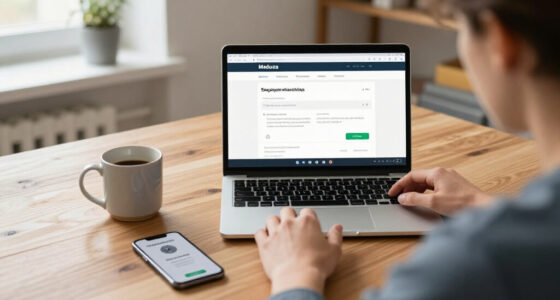
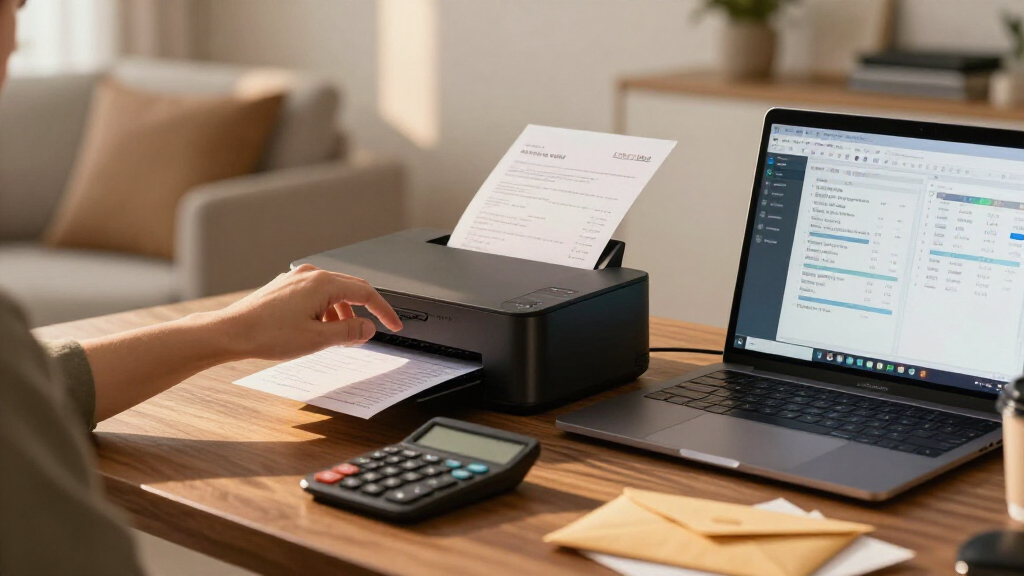
According to the IdeaNavigator AI proposal, the proposed workflow starts with an office worker using a phone to photograph a stack of documents. The app would apply optical character recognition (OCR) to read the pages, suggest a document category and filename, then save searchable PDFs to a shared folder. An example filename would combine an invoice label, date and vendor. The concept is aimed at reducing the manual work involved in sorting intake forms, invoices and records.
The proposal identifies a problem beyond simply having paper: records can collect in filing cabinets or arrive as unsorted image files, making them difficult to locate later. It argues that a scanner that extracts text and suggests meaningful labels could make a digitized archive more useful than a folder of generic scans. The proposal provides no measured results showing that the proposed system already achieves this.
For validation, IdeaNavigator AI proposes that five small offices participate in a one-week trial and scan 200 documents apiece from real backlogs. The two stated measures are the rate of correct automatic classification and whether staff would pay for the service per seat. A possible business model is a monthly subscription per user, with a page limit and additional charges for higher volume; the proposal gives no prices or customer commitments.
Filing Accuracy Is the Test
For a small office, the practical value of scanning depends on more than whether a phone can capture a legible page. Staff need to find the document again, identify what it is and place it where colleagues can access it. Automatic naming and classification could reduce repetitive filing work if the suggestions are reliable and require little correction.
The proposed pilot focuses on that operational test rather than claiming that digitization alone solves records management. An incorrect label, missing date or wrong destination could make a document harder to retrieve, while a useful classification could save time during routine searches. The plan does not quantify time savings, error rates or financial benefits, so those outcomes remain questions for testing.
The idea is aimed at organizations that may not have dedicated IT staff to configure a larger records system. A phone-based workflow and shared-folder output could lower the barrier to trying it, but offices would still need to decide who reviews automated suggestions and how files are organized. Whether the product can handle different document types and office procedures is not established.
portable document scanner with OCR
As an affiliate, we earn on qualifying purchases.
As an affiliate, we earn on qualifying purchases.
From Paper Backlogs to Searchable Files
IdeaNavigator AI’s proposal describes a familiar operational gap: small organizations may have accumulated paper forms, invoices and records, while basic scanner apps often produce images that still need to be named and sorted by hand. Its proposed response combines image capture with OCR and layout-aware models to extract text and suggest filing information.
IdeaNavigator AI presents those technologies as now affordable and accurate enough to support this kind of workflow without a dedicated IT team. That is the proposal’s rationale, not a published benchmark for this particular app. It identifies no model, software provider or accuracy figure and supplies no product specifications.
The concept is specifically framed for small nonprofits, clinics and law offices, rather than as a general replacement for enterprise document-management systems. The proposal’s first suggested test is limited to five offices, one week and 200 real backlog documents per office. It does not say that these pilots have begun or that any participating organizations have been recruited.
automatic document filing software
As an affiliate, we earn on qualifying purchases.
As an affiliate, we earn on qualifying purchases.
Pilot Results Are Not Available
No product launch, completed trial or measured performance is reported in IdeaNavigator AI’s proposal. It remains unclear whether a working app exists, which document formats it can process, how often its suggested categories and filenames would be correct, or how much human review each scan would require.
The proposal also does not specify how documents would be stored, secured or retained. That matters for clinics and law offices, which may handle sensitive records, but no security features, privacy terms or compliance claims are provided. The shared-folder destination is described at a high level, without details on access controls or supported services.
Pricing is also unsettled. A per-seat subscription with page-volume limits and overage charges is suggested, but there is no price, estimate of operating costs or evidence of willingness to pay. The five-office pilot is a proposed validation method, not a confirmed commitment, and its results cannot be assessed until a trial takes place.
As an affiliate, we earn on qualifying purchases.
A Five-Office Trial Would Follow
IdeaNavigator AI’s proposal identifies a one-week pilot at five small offices as the next step. Each office would scan a backlog of 200 documents, after which the test would examine correct auto-classification rates and whether staff would pay per seat. The proposal gives no start date, names no pilot sites and does not state who would run the trial.
For the test to answer the core questions, participants would need to check the app’s labels and filenames against the documents and report how much correction was required. They could also assess whether the resulting PDFs are easy to search and retrieve in their existing shared folders. These are practical evaluation points; IdeaNavigator AI reports no results or formal measurement method.
Until a pilot is confirmed and its findings are available, the proposal should be read as an early product idea. Any decision to develop or adopt it would depend on demonstrated filing accuracy, acceptable handling of sensitive records and a price offices are willing to pay.
Source: IdeaNavigator AI
office document organization tools
As an affiliate, we earn on qualifying purchases.
As an affiliate, we earn on qualifying purchases.
Key Questions
Has the auto-filing scanner launched?
No launch is reported. IdeaNavigator AI describes the scanner as a product concept, and no release date or available app is specified.
How would the proposed app work?
A user would photograph documents with a phone. The app would use OCR to read them, suggest a document type and filename, and save searchable PDFs to a shared folder, according to the IdeaNavigator AI proposal.
What would the proposed pilot measure?
IdeaNavigator AI proposes a one-week trial at five offices, scanning 200 backlog documents per office and evaluating correct classification rates and willingness to pay per seat.
What might the service cost?
No price is provided in the proposal. A per-seat monthly subscription with a page-volume cap and overage pricing is suggested as a possible business model.
Are accuracy and data security established?
No. The proposal gives no measured accuracy results or details about storage, privacy, security or access controls. Those questions would need answers before offices could judge suitability, especially for sensitive records.
Source: IdeaNavigator AI