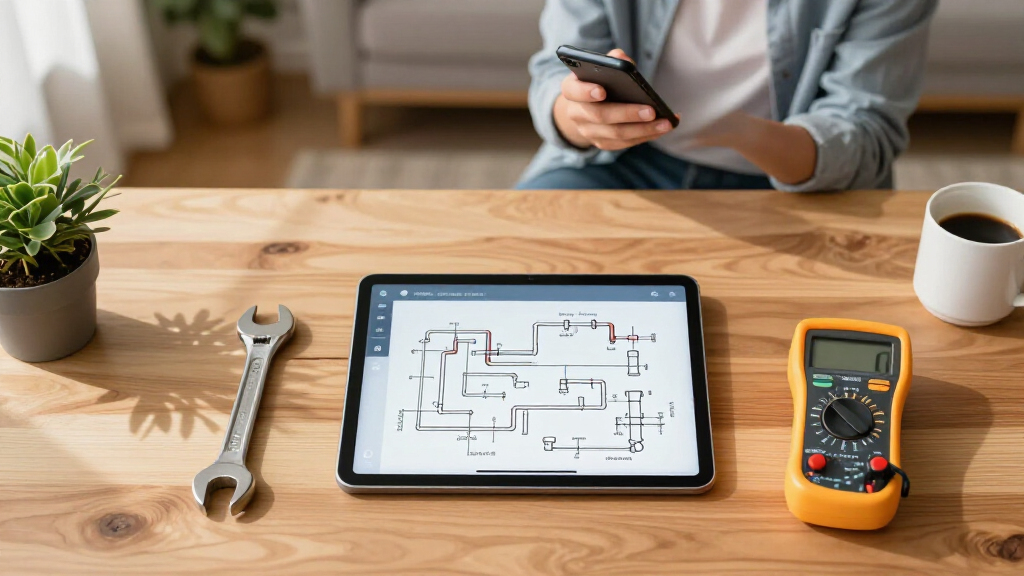

🔍 Read the full analysis: Mastering Plumbing & HVAC Coordination With AI Technology on ThorstenMeyerAI.com

Get smart everyday buys delivered free with Prime
- Fast, free delivery on millions of items
- Prime Video, Amazon Music and more included
- Member-only deals all year
TL;DR
AI technology is now being used to improve coordination between plumbing and HVAC systems in construction. This development reduces unplanned breakthroughs and site errors, leading to cost savings and efficiency gains. The approach is demonstrated through a case study from a German building services firm adopting the Gewerkton platform.
Building services companies are increasingly adopting AI technology to improve the coordination of plumbing and HVAC systems, reducing costly errors and project delays. A recent case study from a German firm illustrates how AI-driven platforms like Gewerkton are transforming construction workflows, with confirmed reductions in uncoordinated breakthroughs and faster leak detection.
According to industry sources, a notable building services firm has implemented AI-based coordination tools that prevent unplanned breakthroughs, which previously caused hours of delays and rework. The platform, integrated into their workflow, tracks the status of each installation element—requested, approved, cut, completed—allowing for precise planning before site work begins.
One of the key features is a digital wall photo grid that verifies pipe placements and detects potential conflicts before walls are closed, significantly reducing the incidence of errors such as cutting through rebar or misaligned shafts. This process ensures that the interior of walls is known before any demolition, cutting project times from days to mere minutes in leak detection scenarios.
Furthermore, the platform generates comprehensive equipment registers at handover, including maintenance schedules and warranty deadlines, which are imported into operational systems. This structured data supports ongoing maintenance and warranty management, creating a continuous digital record that benefits operators and reduces post-project issues.
Industry experts confirm that these innovations have already led to a reduction of uncoordinated breakthroughs from over 40 per project to fewer than five, and leak location times have dropped from two days to 20 minutes, according to the case study. The adoption of AI tools is viewed as a crucial step toward digital transformation in the building services sector.
Impact of AI on Construction Coordination Efficiency
The integration of AI technology into plumbing and HVAC coordination is significant because it directly impacts project margins, reduces waste, and enhances safety. By preventing costly mistakes and delays, firms can deliver projects faster and more reliably, which is critical in competitive markets. Additionally, structured digital records streamline maintenance and warranty management, offering long-term operational benefits.
AI-powered plumbing and HVAC coordination software
As an affiliate, we earn on qualifying purchases.
As an affiliate, we earn on qualifying purchases.
Digital Transformation in Building Services
Building services companies have traditionally relied on manual planning, paper drawings, and on-site adjustments, which often led to misalignments, rework, and delays. Recent advances in digital documentation, 3D modeling, and now AI-driven coordination tools are shifting this paradigm. The Gewerkton platform, developed with integration into German standards like GAEB and XRechnung, exemplifies this shift, enabling real-time updates and precise planning.
The adoption of AI in this sector is part of a broader trend toward Industry 4.0 in construction, aiming to improve efficiency, accuracy, and data management. The case study from the German firm highlights how AI can address longstanding issues like uncoordinated breakthroughs and site errors, which have historically caused significant cost overruns.
digital wall photo grid for construction
As an affiliate, we earn on qualifying purchases.
As an affiliate, we earn on qualifying purchases.
Remaining Questions About AI Integration in Construction
While early results are promising, it is still unclear how widely these AI solutions will be adopted across different markets and project types. The long-term reliability, integration challenges with existing workflows, and cost implications for smaller firms remain unconfirmed. Additionally, the scalability of such platforms for larger or more complex projects is still under evaluation.
As an affiliate, we earn on qualifying purchases.
Next Steps for Broader Adoption and Development
Further case studies and pilot projects are expected to demonstrate the scalability and ROI of AI-driven coordination tools. Industry stakeholders are likely to monitor these developments closely, with potential for increased standardization and integration into mainstream construction management software. Continued technological refinement and user training will be key to wider adoption.
construction project digital documentation tools
As an affiliate, we earn on qualifying purchases.
As an affiliate, we earn on qualifying purchases.
Key Questions
How does AI improve coordination between plumbing and HVAC systems?
AI platforms analyze project plans, track installation statuses, and detect potential conflicts before work begins, reducing errors and rework.
What are the main benefits of using AI in construction projects?
Key benefits include fewer unplanned breakthroughs, faster leak detection, improved project margins, and better maintenance data management.
Are these AI tools suitable for all types of construction projects?
While promising, adoption depends on project size, complexity, and existing digital infrastructure. Larger, more complex projects are more likely to benefit initially.
What challenges might firms face when implementing AI for coordination?
Challenges include integration with legacy systems, initial costs, staff training, and ensuring data accuracy across platforms.
Will AI replace human oversight in construction coordination?
AI is intended to augment human decision-making, not replace it, by providing better data and reducing manual errors.
Source: ThorstenMeyerAI.com
Halloween Picks
halloween
As an affiliate, we earn on qualifying purchases.