📊 Full opportunity report: The Memory Squeeze: Why Your RAM Bill Doubled on ThorstenMeyerAI.com — validation score, market gap, and execution plan.

Get smart everyday buys delivered free — and shop member deals
- Fast, free delivery on millions of items
- Access to Prime Big Deal Days deals on October 6–7
- Prime Video, Amazon Music and more included
TL;DR
Memory prices have doubled or tripled in 2026 due to a strategic shift by chip manufacturers towards AI hardware. This has caused a significant shortage of consumer RAM, affecting PC costs and availability. The trend is driven by higher-margin AI memory, not a supply crash.
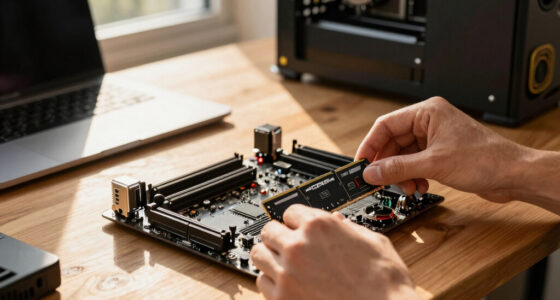
DRAM prices have more than doubled or tripled in 2026, with consumer memory modules now costing significantly more than a year ago. The shift is driven by chip manufacturers prioritizing AI hardware over traditional consumer RAM, causing a persistent shortage and record-high prices that impact PC builders and consumers worldwide.
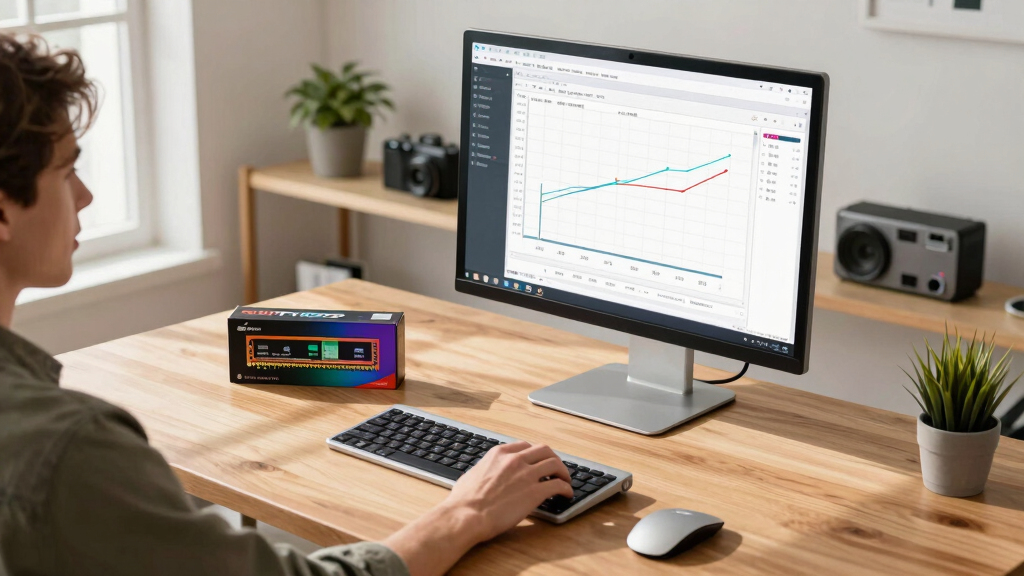
Over the past year, 32GB DDR5 kits that once cost $80–$120 now average around $375, while 64GB kits have surged from $150–$200 to over $600, according to Tom’s Hardware’s tracking data. This price escalation is not temporary; it reflects a fundamental reallocation of manufacturing capacity.
The core of the crisis lies in the fact that the same factories producing consumer DRAM are now redirected to make High Bandwidth Memory (HBM), which is more profitable for manufacturers. Three companies—Samsung, SK Hynix, and Micron—control nearly all of the world’s DRAM supply, and they are shifting production toward HBM to meet AI hardware demand. HBM modules sell for $60–$100, compared to just $5–$10 for standard DDR5, making the switch financially attractive for producers.
This shift is compounded by the physics of wafer efficiency: HBM consumes three to four times the wafer area of DDR5, meaning every wafer dedicated to consumer DRAM reduces the total output. As a result, HBM now accounts for around 23% of DRAM wafer output, up from 19% a year earlier, with AI expected to absorb about 20% of all DRAM capacity in 2026.
Unlike past shortages, which eased when new fabs increased supply, this shortage is driven by deliberate capacity choices. Supply growth is below historical norms—only about 16% for DRAM in 2026—while demand continues to grow rapidly. Additionally, new manufacturing capacity won’t come online until 2027–2028, and industry players are managing scarcity rather than alleviating it, prioritizing high-margin AI products over consumer memory availability.
Major buyers, including hyperscalers, have placed open-ended orders, and companies like Micron have long-term contracts locking in supply through 2030, illustrating the industry’s strategic capacity management approach. This contractual approach means the supply is no longer available for the consumer market, contributing to shortages and rising prices.
Why your RAM bill doubled
“Doubled” is the polite version — consumer DRAM is running 3–6× its 2024 lows. The boom-bust cycle that always brought cheap RAM back isn’t coming this time, because the factories that make your RAM now make something far more profitable instead.
HBM
This is the quiet tax on the whole AI era. Relief isn’t forecast before 2028, and even then prices may settle 30–50% above pre-crisis levels. Buy what you genuinely need now; don’t panic-buy capacity you won’t use. You can’t out-wait the fab math — but, as this series will show, you can shrink what you need. Next: HBM Ate the Fab.
Impact of AI-Driven Capacity Shift on Consumers
This shift in manufacturing priorities has direct consequences for consumers and PC builders. The rising cost of RAM increases overall build costs, delays component availability, and limits options for budget-conscious buyers. It also signals a fundamental change in the memory industry, where high-margin AI hardware is prioritized over traditional consumer products, potentially reshaping the market for years to come.
As an affiliate, we earn on qualifying purchases.
Historical Memory Market Trends and 2026 Shift
Historically, memory shortages have been temporary, with prices falling after new capacity was added. However, the current crisis differs because the same factories are reallocating capacity from consumer RAM to AI-focused HBM, which is more profitable but less efficient in wafer use. This strategic shift is driven by the high margins of AI memory modules and the industry’s management of supply to maintain record profits. Major manufacturers like Samsung, SK Hynix, and Micron dominate the market and have historically coordinated pricing, though no collusion is alleged this time. The demand from hyperscalers and enterprise customers with long-term contracts further restricts supply for consumers, exacerbating shortages.
“Manufacturers are managing scarcity intentionally, prioritizing high-margin AI products and maintaining record profits, rather than increasing supply for consumer RAM.”
— A supply chain expert
As an affiliate, we earn on qualifying purchases.
Unresolved Aspects of the Memory Shortage
It is still unclear whether the current high prices and shortages will persist beyond 2026, as some industry analysts suggest new capacity expansions might eventually ease supply. Additionally, the extent to which collusion or market concentration influences pricing remains a topic of debate, though no formal allegations have been made in the current context.As an affiliate, we earn on qualifying purchases.
Future Developments in Memory Supply and Pricing
Manufacturers are expected to continue prioritizing AI memory production through 2027–2028, with new fabs coming online gradually. Consumer RAM prices may stabilize or decline once additional capacity is operational, but the ongoing reallocation suggests shortages could persist until then. Buyers should monitor industry announcements for capacity expansions and potential shifts in pricing dynamics.
As an affiliate, we earn on qualifying purchases.
Key Questions
Why have RAM prices increased so dramatically in 2026?
Prices have surged because chip manufacturers are reallocating capacity from consumer RAM to more profitable AI memory modules, reducing supply and increasing costs for consumers.
Will RAM prices go back to normal soon?
It is uncertain. Prices may stabilize once new manufacturing capacity is operational around 2027–2028, but current industry priorities suggest shortages could continue in the near term.
How does AI hardware demand affect the overall memory market?
AI hardware requires high-margin, high-performance memory like HBM, which is less efficient in wafer use, leading to a reduction in consumer RAM supply and higher prices.
Are consumers getting less RAM because of this shift?
Yes, the reallocation of manufacturing capacity toward AI memory means less RAM is available for the consumer market, contributing to shortages and increased prices.
Source: ThorstenMeyerAI.com
Halloween Picks
halloween
As an affiliate, we earn on qualifying purchases.