
📊 Full opportunity report: Should You Check Local Listings Before Setting A Marketplace Price? on IdeaNavigator AI — validation score, market gap, and execution plan.

Get smart everyday buys delivered free with Prime
- Fast, free delivery on millions of items
- Prime Video, Amazon Music and more included
- Member-only deals all year
TL;DR
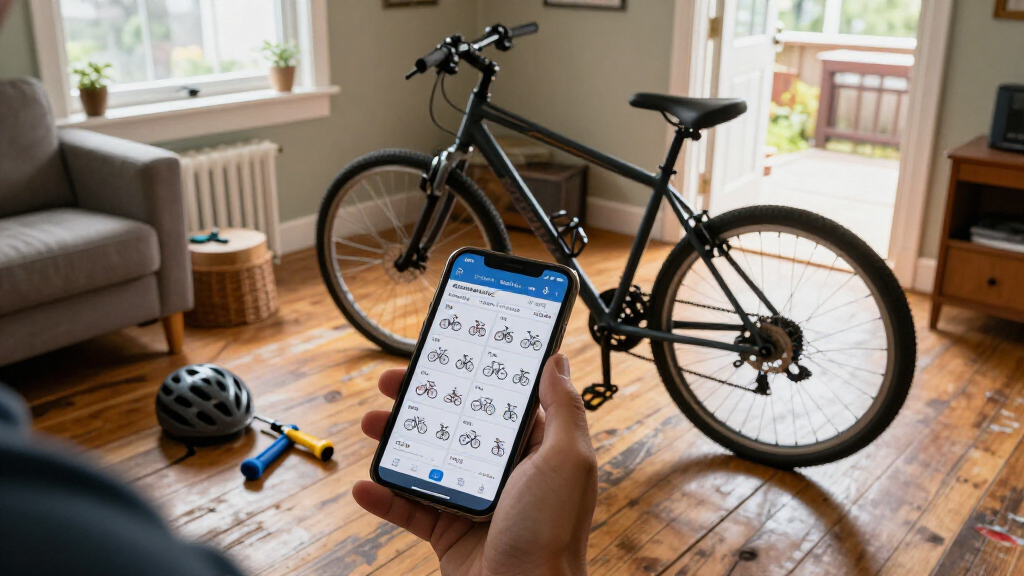
A proposed browser helper would give Facebook Marketplace sellers local price bands and example listing titles based on recent sales. The idea has not been tested; its suggested first step is to manually compare listings for 15 active flippers and track results across their next 10 listings.
IdeaNavigator AI has proposed testing a local-comps pricing helper for people selling used goods on Facebook Marketplace, with a small trial intended to establish whether local price comparisons help items sell faster. The concept is still at the validation stage: no trial results, product launch, or evidence of improved sale times is provided.
The proposed tool would be a browser helper. A seller would choose an item category and a ZIP-code radius, then receive a suggested price band and three example title phrasings drawn from the seller’s own recent sold items, according to the proposal. It is aimed at part-time Marketplace flippers who list used goods.
The stated problem is that individual sellers may have to guess at prices and listing titles without access to a record of comparable items that recently sold in their metro area. The proposal contrasts Marketplace with eBay, which it says provides sold-price history. It does not provide data measuring how often sellers misprice goods or how much time a pricing tool might save.
For an initial test, the proposal calls for recruiting 15 active sellers, manually compiling local comparisons for each person’s next 10 listings, and measuring whether listings priced in line with those comparisons sell faster. A monthly subscription is suggested as a possible business model for active resellers, but no price, paying-customer evidence, or subscription demand has been reported.
Testing Whether Local Prices Help Sellers
For a seller, a price that is too high can leave an item listed longer, while a price that is too low can reduce the amount earned. Local comparisons could provide a reference point for setting an asking price and writing a title, particularly when the seller does not have their own records. Whether that reference improves outcomes is the question the proposed trial is meant to test.
The idea also has a practical business hurdle: sellers would need to find the recommendations useful enough to change their listing habits and pay for them regularly. A small test could offer early evidence about usability and sale speed, but it would not by itself establish that the tool works across different categories, regions, or market conditions. The proposal gives no results showing that the concept is effective or commercially viable.
Facebook Marketplace price comparison tool
As an affiliate, we earn on qualifying purchases.
As an affiliate, we earn on qualifying purchases.
How the Proposed Comparison Tool Works
The concept focuses on recent sold items in a seller’s area, rather than relying only on asking prices for goods that are still listed. Those are different signals: an asking price shows what another seller is requesting, while a completed sale may offer a closer reference for what a buyer paid. The proposal does not explain how the tool would obtain or verify sales data.
Its suggested first step is deliberately manual: compile comparisons for a small group of sellers before building the browser helper. That approach could test whether sellers find the information actionable before development and a subscription offering are pursued. The supplied proposal describes this as a validation plan, not a completed study, and offers no timeline for carrying it out.
As an affiliate, we earn on qualifying purchases.
Sales Data and Trial Results
No test results are available in the proposal. It does not say whether 15 sellers have been recruited, whether comparisons have been compiled, or whether any listings have sold faster after using them. The suggested sample and 10-listing tracking period are a plan, not findings.
Key product details are also unresolved. The proposal does not specify how recent sales would be collected, whether Marketplace makes the needed sold-price information accessible, how comparisons would account for item condition or differences between products, or how the tool would protect seller data. Its assertion that Marketplace has overtaken Craigslist as the dominant local resale venue is not accompanied by figures or a date in the material provided, so it cannot be independently assessed here.
It is also unknown whether a suggested price band would lead to faster sales without lowering sellers’ proceeds, and whether enough active resellers would pay a monthly fee. The concept offers no verified quotes from sellers or independent experts.
As an affiliate, we earn on qualifying purchases.
A Small Seller Trial Comes First
The next proposed step is to recruit 15 active Marketplace flippers and manually gather local comparisons for each participant’s next 10 listings. The test would need to define what counts as a comparable sale and how it will measure both time to sale and the price received to make the results interpretable.
Until those results are reported, the browser helper remains a product idea rather than a proven pricing service. A decision to build it, set subscription pricing, or expand beyond the initial seller group has not been announced.
Source: IdeaNavigator AI
marketplace listing title generator
As an affiliate, we earn on qualifying purchases.
As an affiliate, we earn on qualifying purchases.
Key Questions
Has the pricing helper launched?
No launch is reported. The proposal describes a browser helper as a potential product and recommends testing the idea manually first.
What would the proposed tool provide?
For a selected category and ZIP-code radius, it would return a suggested price band and three example title phrasings based on recent sold items, according to the concept.
Would local comparisons make listings sell faster?
That is unproven. The proposed trial would track whether listings priced in line with local comparisons sell faster; no findings have been provided.
How would the idea be tested?
The plan is to recruit 15 active sellers, manually compile comparisons for each person’s next 10 listings, and measure sale speed. The proposal does not report that this test has begun.
Would sellers have to pay?
A monthly subscription is suggested for active resellers, but no price or evidence of customer willingness to pay has been reported.
Source: IdeaNavigator AI
Halloween Picks
halloween
As an affiliate, we earn on qualifying purchases.