TL;DR

Get smart everyday buys delivered free with Prime
- Fast, free delivery on millions of items
- Prime Video, Amazon Music and more included
- Member-only deals all year
European governments are contracting for sensor exploitation software that is not controlled by external jurisdictions, emphasizing sovereignty in AI-driven ISR. This shift highlights the importance of sensor-to-AI integration in national security.
European institutions are now contracting for **sensor exploitation software that is not controlled from another jurisdiction**, marking a significant shift in digital sovereignty for intelligence, surveillance, and reconnaissance (ISR) capabilities. This move underscores the importance of developing independent, sensor-driven AI systems in the context of increasing global sensor proliferation and geopolitical competition.
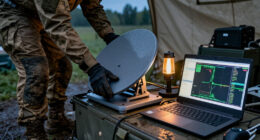
Over recent weeks, European governments and agencies have begun formalizing contracts for **software that processes and exploits sensor data locally**, rather than relying on externally controlled solutions. This development follows a broader trend of countries moving ownership of the entire ISR data chain — from satellite launches to data exploitation — into national or regional control. Notably, countries such as Germany, Poland, Portugal, and Greece are now purchasing constellations of sensors and simultaneously investing in the software that turns raw data into actionable intelligence.
According to sources familiar with these contracts, the emphasis is on **sensor-to-AI pipelines that operate within national jurisdictions**, ensuring data sovereignty and reducing reliance on foreign-controlled cloud or software providers. This shift is driven by concerns over geopolitical dependencies, data security, and control over sensitive intelligence capabilities. The move is also supported by advances in sensor technology, such as radar constellations capable of imaging through weather, and wide-area cameras monitoring entire urban environments for extended periods.
Experts note that the software layer — which interprets sensor data and makes decisions — is now viewed as the new sovereign ground. As Thorsten Meyer explains, “the software that reads the sensor is where sovereignty is now contested and claimed, and it remains substantially unclaimed in many regions.” The contracts are part of a broader strategic effort to build autonomous, resilient ISR systems that can operate independently of foreign technology and infrastructure.
Implications for European Digital Sovereignty in ISR
This development signifies a **major shift in how countries approach intelligence sovereignty**, emphasizing control over the entire sensor-to-AI pipeline. By developing and deploying independent exploitation software, European nations aim to reduce dependencies on foreign technology providers, mitigate risks associated with external control or interference, and enhance their strategic autonomy in national security. This move could influence global standards for sensor data processing and set a precedent for other regions seeking similar sovereignty in emerging AI-driven ISR capabilities.
Furthermore, the focus on local software development aligns with broader geopolitical trends, where control over data and AI infrastructure becomes a critical aspect of national security. As sensor proliferation accelerates, the ability to process and interpret data locally will become increasingly vital for real-time decision-making and operational resilience. This shift also raises questions about regulatory frameworks, open-source approaches, and the potential for European-led innovations to shape international norms.
sensor exploitation software for ISR
As an affiliate, we earn on qualifying purchases.
As an affiliate, we earn on qualifying purchases.
Rise of Sensor Proliferation and Sovereignty Concerns
Recent years have seen a surge in sensor deployment, including radar constellations capable of imaging through adverse weather and wide-area surveillance cameras. Countries like Germany, Poland, Portugal, and Greece are investing in their own satellite constellations, moving away from reliance on commercial imagery subscriptions towards owning and controlling the entire data chain.
Historically, the lower layers of ISR — launch, cloud, and satellite hardware — have been the focus of national security efforts. However, the recent contracts and policy shifts indicate that the next frontier is **software that exploits sensor data locally**, making the software layer the new battleground for sovereignty. This evolution reflects a strategic desire to keep critical processing within national borders, especially as sensor capabilities become more advanced and widespread.
Thorsten Meyer notes that “the last few years settled the lower layers: launch, cloud, and satellites. Now, the next question is about the software that interprets that data — the exploitation layer — which is still largely unclaimed territory.” This transition marks a significant milestone in the ongoing competition over control of ISR infrastructure and capabilities.
“The software that reads the sensor is where sovereignty is now contested and claimed, and it remains substantially unclaimed.”
— an anonymous researcher
sensor-to-AI data processing software
As an affiliate, we earn on qualifying purchases.
As an affiliate, we earn on qualifying purchases.
Unclear Scope and Future Regulatory Frameworks
While contracts for independent exploitation software are being finalized, it is still unclear how widespread this approach will become across Europe and globally. The specific technologies, standards, and regulatory frameworks governing these systems are still under development. Questions remain about how open or proprietary these software solutions will be, and how international norms might evolve as sovereignty becomes more software-centric in ISR.
Additionally, it is not yet confirmed how these developments will impact existing partnerships, alliances, or the global sensor and AI markets. The long-term effectiveness and resilience of locally controlled exploitation software compared to established foreign solutions remain to be seen.
independent sensor data analysis tools
As an affiliate, we earn on qualifying purchases.
As an affiliate, we earn on qualifying purchases.
Monitoring Deployment and Policy Developments
In the coming months, expect further announcements of contracts and deployments of indigenous sensor exploitation software within European countries. Policymakers and security agencies will likely refine regulations and standards to support local software development and integration. International discussions around data sovereignty, AI regulation, and sensor proliferation are also anticipated to intensify, shaping the future landscape of sensor-driven AI and sovereignty.
Experts will continue analyzing the technical and geopolitical implications, and the evolution of open-source and proprietary solutions will be key indicators of how the sector develops. Watch for collaborative initiatives, regulatory frameworks, and technological breakthroughs that could accelerate or hinder this sovereignty-driven shift.
sensor constellation monitoring software
As an affiliate, we earn on qualifying purchases.
As an affiliate, we earn on qualifying purchases.
Key Questions
Why is Europe focusing on developing independent sensor exploitation software?
Europe aims to reduce dependence on foreign technology, enhance data security, and assert sovereignty over critical ISR capabilities by controlling the software that processes sensor data locally.
What types of sensors are involved in this shift?
Advanced radar constellations capable of imaging through weather and wide-area cameras monitoring entire urban environments are key sensors involved in this development.
How might this development affect international collaborations?
Increased focus on local software could lead to shifts in partnerships, with countries prioritizing sovereignty and possibly developing proprietary solutions, which may influence existing alliances and market dynamics.
What are the main challenges in building sovereign exploitation software?
Technical complexity, regulatory uncertainties, and the need for open standards or proprietary solutions are significant challenges in creating effective, autonomous sensor-to-AI pipelines.
Could this trend lead to a global shift in ISR technology?
Potentially, as other regions observe Europe’s move towards sovereignty, similar initiatives may emerge worldwide, reshaping the global sensor and AI landscape.
Source: ThorstenMeyerAI.com
Halloween Picks
halloween
As an affiliate, we earn on qualifying purchases.