
TL;DR
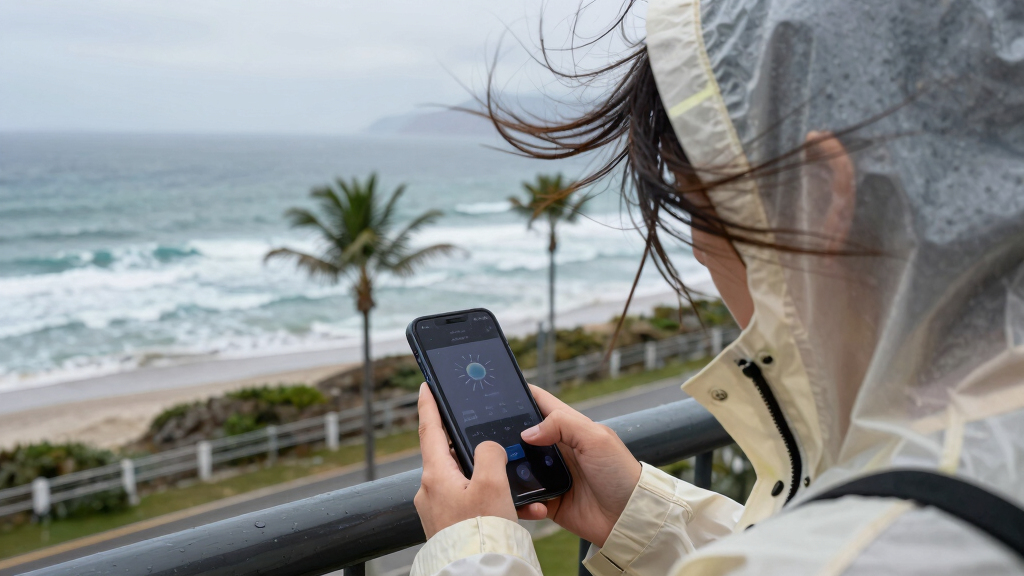
Japan’s southwestern islands are preparing for Typhoon Bavi, which is expected to make landfall soon. Authorities have issued alerts, and evacuations are underway. The storm’s exact impact remains uncertain.
Japan’s southwestern islands, including Okinawa and surrounding regions, are on high alert as Typhoon Bavi approaches with potentially severe winds and heavy rain. Authorities have issued evacuation advisories and reinforced safety protocols, while the storm’s exact path and impact remain uncertain.

Get smart everyday buys delivered free with Prime
- Fast, free delivery on millions of items
- Prime Video, Amazon Music and more included
- Member-only deals all year
Impacts of Typhoon Bavi on Regional Safety and Economy
This storm poses significant risks to the safety of residents on Japan’s southwestern islands, potentially causing injuries, property damage, and disruptions to daily life. The storm’s impact could also strain local emergency services and infrastructure. Economically, the storm threatens to disrupt tourism, fishing, and transportation industries, which are vital to the region. The preparedness measures taken now may influence the severity of damage and recovery efforts.
Products Worth Considering

Canon PIXMA TR160 Wireless Portable Color Inkjet Printer

Canon SELPHY CP1500 Wireless Compact Photo Printer Bundle with RP-108 Ink and Paper Set, Black

FLEXISPOT 3-in-1 Convertible Chair and Table for Four
As an affiliate, we earn on qualifying purchases.
Recent Typhoons and Preparedness in Japan’s Southwest
Japan frequently faces typhoons during the late summer and early autumn, with the southwestern islands often experiencing the brunt of these storms. In recent years, typhoons such as Jebi and Hagibis caused extensive damage, prompting authorities to strengthen early warning systems and evacuation protocols. The current storm, Bavi, follows a pattern of active typhoon seasons, with climate experts noting increased storm intensity and unpredictability. Local governments have issued alerts and mobilized resources in anticipation of potential landfall, aiming to minimize casualties and damage.
“We are closely monitoring Typhoon Bavi’s trajectory and urge residents to heed safety advisories. The storm’s path remains uncertain, and preparations are critical.”
— Japan Meteorological Agency spokesperson
Storm Trajectory and Impact Remain Uncertain
While current models predict landfall within the next 24 hours, the exact path and intensity of Typhoon Bavi could change. The storm’s strength, speed, and the specific areas affected are still uncertain, complicating precise forecasts and response plans.
Ongoing Monitoring and Emergency Preparedness Efforts
Authorities will continue to track Typhoon Bavi’s movement, issuing updated warnings and advisories. Residents are advised to stay indoors, secure property, and prepare emergency supplies. The storm’s impact will become clearer as it approaches, with further evacuations or safety measures possibly required. Regional agencies are coordinating to manage potential disruptions and assist affected communities.
Key Questions
When is Typhoon Bavi expected to make landfall?
Current forecasts suggest the storm may approach the southwestern islands within the next 24 hours, but the exact timing remains uncertain due to changing storm trajectories.
What safety measures should residents take?
Residents are advised to follow official evacuation orders, secure outdoor belongings, stay indoors during the storm, and prepare emergency supplies such as water, food, and medical kits.
Are flights and transportation services affected?
Yes, many flights and ferry services have been canceled or rescheduled as authorities prepare for the storm’s impact. Travelers should check with their service providers for updates.
Has there been any damage or injuries reported?
As of now, no injuries or damage have been reported. Authorities continue to monitor the situation closely.
How does climate change affect typhoon activity in Japan?
Experts note that climate change has contributed to increased storm intensity and unpredictability, which may lead to more severe typhoons affecting Japan in recent years.
Source: google-trends