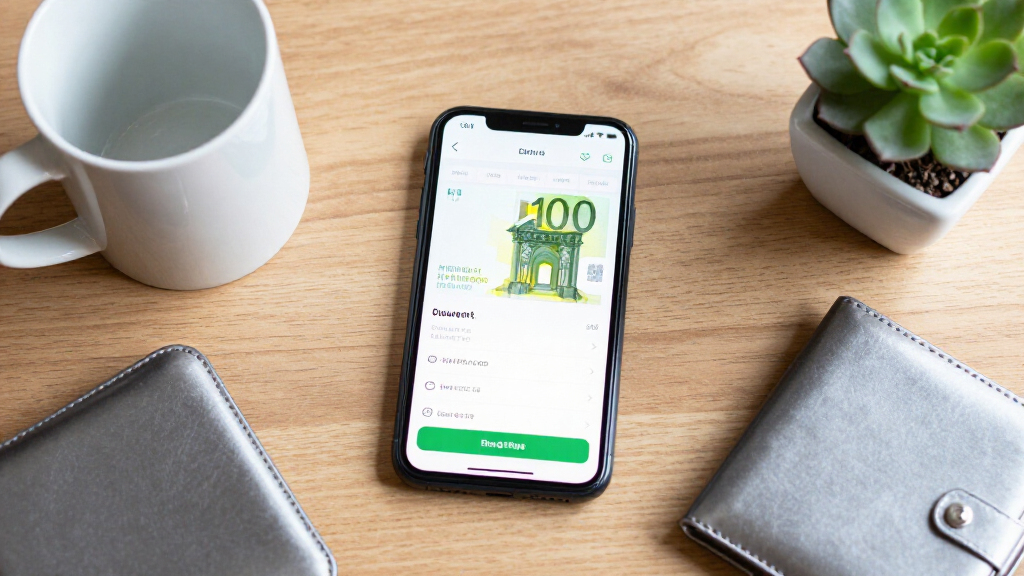

TL;DR
The European Central Bank (ECB) has confirmed that the upcoming digital euro app will incorporate the highest accessibility standards. This move aims to make digital currency services more inclusive, but details on implementation remain limited. The development underscores the ECB’s focus on user-friendly, accessible financial technology.
The European Central Bank (ECB) has confirmed that the digital euro app will be developed to incorporate the highest accessibility standards. This initiative aims to ensure that the digital currency is usable by all individuals, including those with disabilities, and reflects the ECB’s commitment to inclusive financial technology.
The ECB announced in March 2024 that its upcoming digital euro app will prioritize accessibility features aligned with international standards. The goal is to make the digital euro accessible to a wide range of users, including those with visual, auditory, motor, or cognitive impairments. Specific standards or technical requirements have not yet been disclosed, but the ECB emphasized that inclusivity is a core component of the project.
According to the ECB, the app’s development will involve consultations with accessibility experts, user testing with diverse groups, and adherence to guidelines such as the Web Content Accessibility Guidelines (WCAG). The ECB also stated that the app’s interface will be designed to be compatible with assistive technologies like screen readers and voice commands. No timeline for the app’s launch or detailed features has been provided, but the ECB indicated that accessibility considerations are integral to the project from the outset.
Why Prioritizing Accessibility in the Digital Euro Matters
This development is significant because it demonstrates the ECB’s commitment to making the digital euro a universally accessible financial tool. Ensuring high accessibility standards can promote financial inclusion, allowing more people, including those with disabilities, to participate in digital currency transactions. It also sets a precedent for other digital financial services to follow inclusive design principles, potentially influencing broader adoption and acceptance of digital currencies across Europe.
Moreover, by integrating accessibility from the start, the ECB aims to avoid future barriers that could exclude segments of the population. This approach aligns with European Union policies promoting digital inclusion and equal access to financial services.
assistive technology for digital banking
As an affiliate, we earn on qualifying purchases.
As an affiliate, we earn on qualifying purchases.
Background on the Digital Euro and Accessibility Efforts
The ECB has been exploring the digital euro since 2021, with ongoing consultations and pilot programs. The initiative aims to create a central bank digital currency (CBDC) that complements cash and digital payment systems. While previous updates focused on security, privacy, and usability, the emphasis on accessibility standards marks a new step toward inclusive design.
European regulators and institutions have increasingly recognized the importance of designing digital financial tools that are accessible to all users. The ECB’s move aligns with broader EU efforts to promote digital inclusivity, including legislation on accessible digital services and assistive technology integration.
Details about specific features or standards for the digital euro app have not been publicly disclosed, but the emphasis on accessibility suggests a comprehensive approach that considers diverse user needs.
“The digital euro app will be developed with the highest accessibility standards to ensure inclusive access for all users.”
— ECB spokesperson
As an affiliate, we earn on qualifying purchases.
Details on Specific Accessibility Features Still Unclear
It is not yet clear exactly which accessibility standards or features will be implemented in the digital euro app. The ECB has not disclosed detailed technical specifications or timelines for rollout, and the scope of accessibility measures remains to be seen.
It is also uncertain how the app will be tested and validated for compliance with accessibility requirements, or how user feedback from diverse groups will influence final design choices.

NETUM Bluetooth Barcode Scanner, Support 2.4G Wireless & Bluetooth & Wired
- Compatibility: Works with iOS, Android, Windows, Linux
- Recognition Ability: High-resolution CCD for all 1D barcodes
- Scanning Modes: Manual, continuous, auto-sensing, and storage
As an affiliate, we earn on qualifying purchases.
As an affiliate, we earn on qualifying purchases.
Next Steps in Developing an Inclusive Digital Euro App
The ECB is expected to continue consultations with accessibility experts and user groups as it advances the digital euro project. Further details about the app’s features and timeline are likely to be announced in upcoming updates or public consultations.
Stakeholders will be watching for concrete standards, testing results, and the integration of accessibility features into the final product, which could influence broader digital currency development in Europe.

ARPHA Keyless Entry Door Lock, Palmar Vein Recognition Deadbolt with Handleset for Front Door, Built-in WiFi, Amazon Alexa, Google Assistant, App-Control, Voice Control, NFC
- Biometric Palm Vein Recognition: Fast, hygienic, contactless access
- Wi-Fi Enabled Remote Control: Manage access and monitor remotely
- Real-Time Notifications & Audit Trail: Track door activity instantly
As an affiliate, we earn on qualifying purchases.
As an affiliate, we earn on qualifying purchases.
Key Questions
When will the digital euro app be available to the public?
The ECB has not announced a specific launch date for the digital euro app. Development and testing are ongoing, with further updates expected in the coming months.
What accessibility standards will the digital euro app follow?
The ECB has stated it will follow the highest accessibility standards, including guidelines like WCAG, but specific features or standards have not yet been detailed.
How will the ECB ensure the app remains accessible over time?
The ECB plans to involve accessibility experts and user testing throughout development to ensure ongoing compliance and usability for all users.
Will the app be compatible with assistive technologies?
Yes, the ECB has indicated that the app will be designed to work with assistive technologies such as screen readers and voice commands.
Why is accessibility important for the digital euro?
Accessibility ensures that the digital euro can be used by everyone, including people with disabilities, promoting financial inclusion and equitable access to digital currency services.
Source: primary