
TL;DR

Get smart everyday buys delivered free with Prime
- Fast, free delivery on millions of items
- Prime Video, Amazon Music and more included
- Member-only deals all year
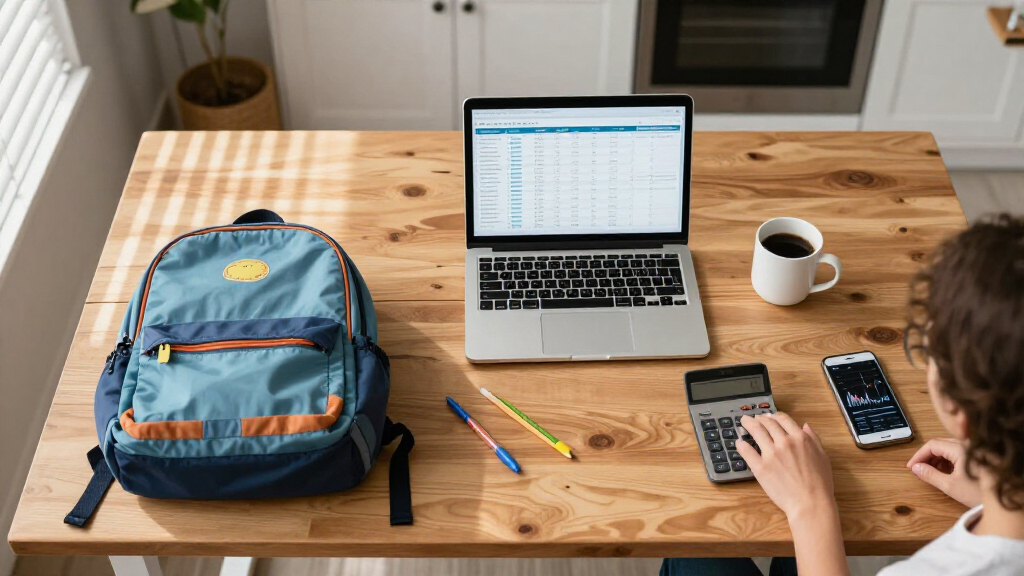
This year’s back-to-school shopping season is revealing increased financial stress for many households, with spending reaching new highs. Experts say this trend is straining family budgets and highlighting broader economic challenges.
Back-to-school spending has reached record levels this year, putting significant pressure on household budgets nationwide. According to a recent report from PR Newswire, families are allocating more funds than ever before for supplies, clothing, and electronics, reflecting broader economic challenges and inflationary pressures. This surge in spending is testing the financial resilience of many households, especially those already facing economic uncertainty.
The report indicates that average back-to-school expenditures have increased by approximately 10% compared to last year, with families spending an average of $850 per household. This rise is driven by higher prices for school supplies, clothing, and electronics, which have all seen notable inflation. Retailers report strong sales, but many families are adjusting their budgets and making difficult choices to manage these costs. Experts warn that this spending surge may lead to increased financial strain, especially for lower- and middle-income families who are already managing tight budgets. Financial counselors note a rise in consultations related to managing back-to-school expenses, highlighting the stress this period is placing on household finances.Some families are cutting back on other discretionary expenses or delaying non-essential purchases to cover the costs. Schools and community organizations are also seeing increased demand for assistance programs, indicating that the financial burden is widespread. The economic backdrop, characterized by inflation and rising living costs, is a key factor driving these higher expenditures. While retailers are benefiting from the increased sales, analysts warn that the added financial pressure could have longer-term implications for household financial stability.
Why Back-to-School Spending Reveals Broader Financial Strains
The record-high back-to-school spending highlights how inflation and economic pressures are affecting everyday families. As households allocate more money to cover basic educational needs, it signals potential vulnerabilities in household budgets and raises concerns about increased financial stress. This trend could lead to higher debt levels or reduced savings, impacting long-term financial stability. Policymakers and financial advisors are watching these developments closely, as they reflect broader economic health and consumer confidence. The increased demand for financial counseling and assistance programs underscores the need for targeted support to help families manage these rising costs without compromising their overall financial security.As an affiliate, we earn on qualifying purchases.
Recent Trends in Household Spending and Inflation Impact
Over the past year, inflation has driven up prices across multiple sectors, including retail, housing, and transportation. The back-to-school season, traditionally a significant spending period, has seen costs rise even further. According to the U.S. Bureau of Labor Statistics, consumer prices increased by 3.2% in the last 12 months, with specific categories like school supplies and clothing experiencing double-digit inflation. This economic environment has led families to reallocate their budgets and prioritize essential expenses. Retailers report that sales of items like electronics and apparel are up, but many consumers are experiencing increased financial strain. Experts note that this pattern is consistent with broader economic trends where rising costs are impacting household financial resilience.As an affiliate, we earn on qualifying purchases.
Unclear Long-Term Financial Impact on Families
It is not yet clear how sustained this level of spending will be or whether families will face increased debt or savings depletion as a result. Experts warn that economic conditions could change, influencing future spending patterns and financial stability, but definitive long-term data is still emerging.As an affiliate, we earn on qualifying purchases.
Monitoring Household Finances Post-Season
Financial counselors and economists will continue to observe household budgets after the back-to-school season ends. Future surveys and data releases will clarify whether families can recover from this spending surge or if they will face ongoing financial difficulties. Policymakers may also consider targeted support measures if economic strain persists, especially for vulnerable populations. Retailers will analyze sales trends to gauge consumer confidence and spending capacity in the coming months.As an affiliate, we earn on qualifying purchases.
Key Questions
Why are back-to-school costs higher this year?
Inflation has increased prices for supplies, clothing, and electronics, leading to higher overall spending during the back-to-school season.
How are families managing these increased costs?
Many families are cutting back on discretionary expenses, delaying non-essential purchases, or seeking assistance programs to cope with higher costs.
Could this spending surge impact household savings?
Yes, increased expenses could reduce savings or increase debt levels, especially if families are stretching their budgets to cover costs.
Is this trend expected to continue in future years?
It depends on inflation and economic conditions; if prices stabilize or decline, spending may decrease, but current trends suggest ongoing financial pressures for many families.
Source: primary
Halloween Picks
halloween
As an affiliate, we earn on qualifying purchases.