
Court records often lack full context because they focus mainly on official actions, orders, and procedural filings, missing behind-the-scenes motivations and informal conversations. They can be incomplete due to redactions, errors, or variations in archiving practices. Since legal proceedings are complex and multi-layered, what you see is only part of the story, highlighting key moments rather than the full picture. Keep exploring to understand what’s often hidden behind those official documents.

Get smart everyday buys delivered free with Prime
- Fast, free delivery on millions of items
- Prime Video, Amazon Music and more included
- Member-only deals all year
Key Takeaways
- Court records focus on official actions, omitting motivations and informal discussions that provide full case context.
- Sensitive or confidential information is often redacted, limiting understanding of complete case details.
- Records highlight final decisions and key motions but rarely document the extensive process behind them.
- Variations in record-keeping practices and potential errors can result in incomplete or misleading information.
- Other critical case aspects, like oral testimonies and internal communications, are typically absent from official records.
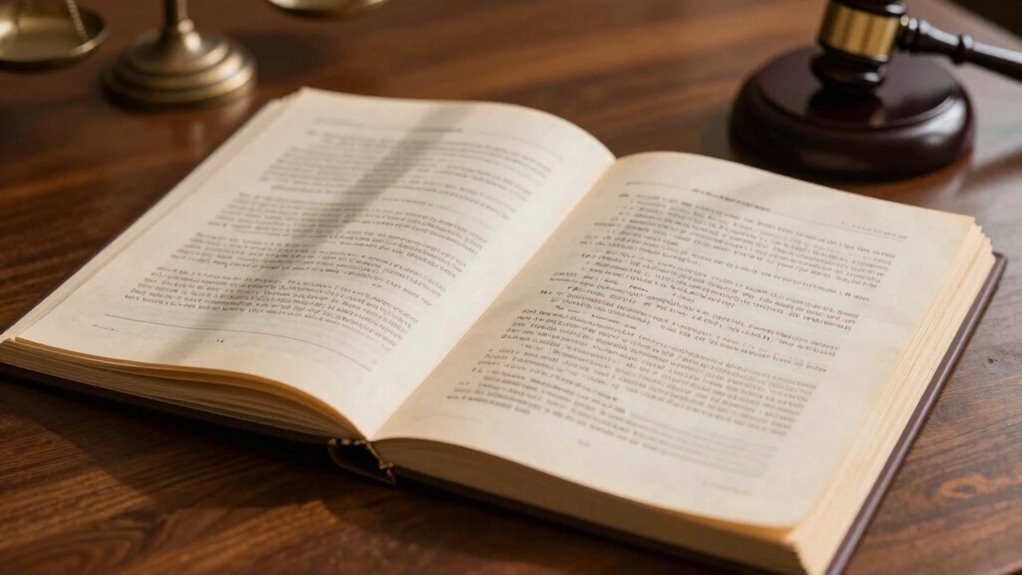
Court records often provide only a partial picture of legal cases, leaving out essential context that can influence how you interpret the information. When you review these records, you might see a few documents—dockets, motions, or rulings—but they rarely tell the full story behind a case. This limited view can result from efforts to maintain judicial transparency, but it also means that records often lack the depth needed to understand the nuances of each situation. The goal of judicial transparency is to keep proceedings open and accessible, yet it doesn’t always guarantee record completeness. As a result, what’s available may be technically accurate but incomplete, leaving gaps that can mislead or misinform.
One reason for this is that court records tend to focus on official actions and formal decisions. They typically include orders, judgments, or procedural filings, but exclude the underlying motivations, informal conversations, or context that might explain why certain decisions were made. For example, a court might issue a ruling based on specific evidence, yet the reasoning behind accepting or dismissing certain evidence might be absent from the record. This absence can make it difficult for you to grasp the full scope of the case or the factors influencing the judge’s decision. Additionally, the way cases are documented and archived can further limit understanding, as some details are deliberately left out or redacted. Record completeness can vary significantly depending on the jurisdiction and the specific case, adding to the challenge of understanding the full context.
Furthermore, record completeness can be compromised by the way cases are documented and archived. Not every detail is preserved, especially if it’s deemed irrelevant or confidential. Sensitive information, such as personal details or classified evidence, is often redacted or omitted altogether, which further limits your understanding. Furthermore, some records are incomplete due to administrative errors or delays in updating court databases. These gaps can distort your perception of the case timeline or the actions taken, especially if the records are relied upon for research or legal analysis. Moreover, court record accuracy can be affected by inconsistencies in how information is recorded or maintained across different jurisdictions, adding another layer of complexity for those trying to piece together the full context.
Another factor is that legal proceedings themselves can be complex and multi-layered, often involving multiple parties, legal arguments, and procedural steps. The publicly available records usually highlight only the final outcomes or key motions, leaving out the extensive back-and-forth that shaped those results. This selective sharing can obscure the broader context, making it harder to see the full picture, especially if you’re trying to understand the motivations or underlying issues involved. Additionally, understanding the legal process can help clarify why certain information is omitted or redacted, emphasizing the importance of context in legal documentation. Furthermore, the archiving systems used for case records may vary significantly between jurisdictions, impacting the consistency and completeness of the information available. It’s also important to remember that legal procedures often involve confidential or privileged information that is not accessible through public records, further limiting what can be seen.
In essence, while judicial transparency aims to keep the justice system open, it doesn’t always assure record completeness. It’s important to recognize that court records are just one piece of the puzzle, and other components like oral testimonies or confidential documents often contain crucial information. As someone reviewing these documents, you need to recognize their limitations and be cautious about drawing definitive conclusions based solely on the available information. The records are valuable, but they’re just part of a larger story that often remains partially hidden.
As an affiliate, we earn on qualifying purchases.
Frequently Asked Questions
How Can I Access Complete Court Transcripts?
To access complete court transcripts, you should contact the court clerk’s office or visit their website, as they handle legal document access. Keep in mind that transcript confidentiality may limit full disclosure, especially for sensitive cases. You might need to submit a formal request or pay a fee. Some transcripts could be restricted, but authorized parties, like attorneys or involved parties, typically gain easier access.
Do Court Records Include All Witness Testimonies?
No, court records don’t always include all witness testimonies, as if they’re trying to hide the truth. They often contain selected statements, leaving out details that could impact witness reliability and testimony accuracy. This selective record-keeping can distort the full story, making you question whether what’s presented is the whole truth. So, if you’re after complete insight, be prepared to dig deeper than just the official court record.
Are Previous Case Details Available in Court Records?
Yes, previous case details are often available in court records, but they may be limited due to confidentiality and privacy concerns. Courts tend to restrict access to certain sensitive information to protect involved parties’ privacy, so some details might be redacted or omitted. If you’re searching for specific case information, be aware that not all details will be openly accessible, especially if they involve confidential data or sensitive witness testimonies.
How Often Are Court Records Updated or Corrected?
Court records are updated or corrected regularly, but the update frequency varies depending on jurisdiction and case type. You should know that record accuracy is a priority, so corrections happen when errors are identified or new information emerges. Keep in mind, some records might be outdated or incomplete if updates are delayed. To guarantee you have the most current info, check directly with the court or official online databases regularly.
Can Court Records Reveal the Full Outcome of a Case?
You might think court records reveal the full case outcome, but studies show only about 60% provide complete details. This impacts legal transparency and record accuracy, leaving gaps that can mislead or obscure the full story. Court records often focus on the verdict or sentence, but they may omit essential context like evidence or plea negotiations. So, always dig deeper to truly understand a case’s full outcome.
legal document redaction software
As an affiliate, we earn on qualifying purchases.
As an affiliate, we earn on qualifying purchases.
Conclusion
So, next time you peek into court records, remember they’re just fragments of a story, like a shadow cast on a wall. They offer a glimpse but not the full masterpiece behind each case. Without the surrounding notes, it’s easy to misread the scene. To truly understand, you gotta look beyond the surface, like peeling back layers of an onion. Only then can you grasp the full picture hiding in the shadows of the record.
court record investigation guides
As an affiliate, we earn on qualifying purchases.
As an affiliate, we earn on qualifying purchases.
As an affiliate, we earn on qualifying purchases.
Halloween Picks
halloween
As an affiliate, we earn on qualifying purchases.