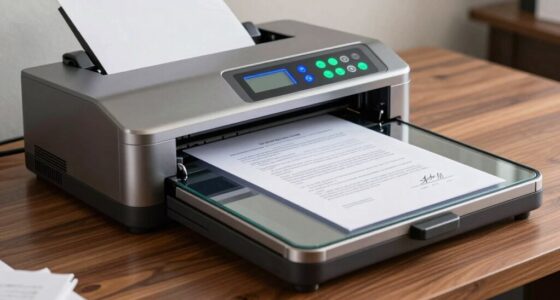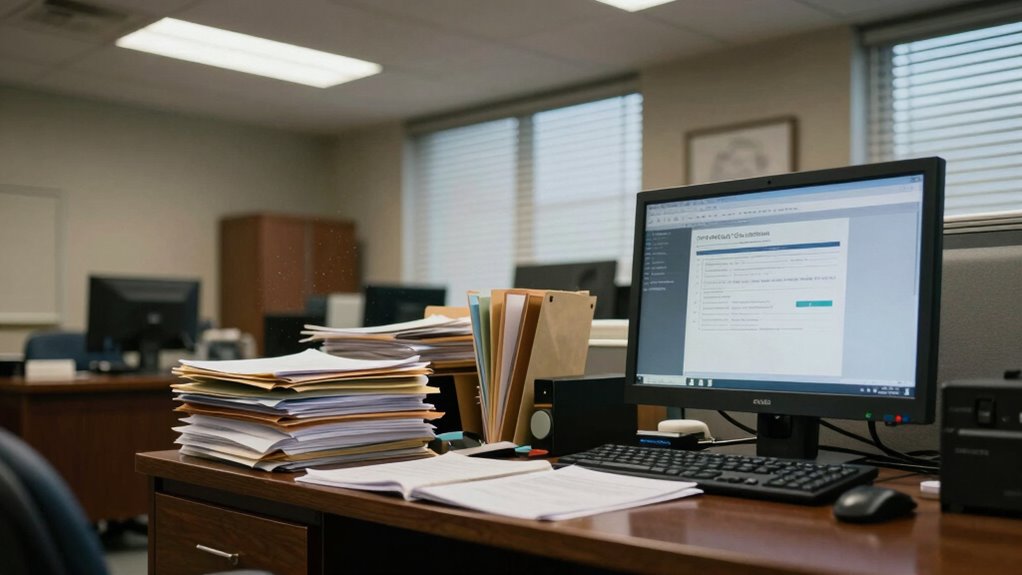

Your court record updates can lag for weeks because of various factors. Technological issues, like system glitches and limited integration, slow down data processing. Staff shortages and manual verification add delays, especially during busy times. Different jurisdictions have unique procedures and priorities, which can extend update times. Transfer of records between courts also causes delays. If you want to understand all the reasons behind these delays, there’s more to uncover below.

Get smart everyday buys delivered free with Prime
- Fast, free delivery on millions of items
- Prime Video, Amazon Music and more included
- Member-only deals all year
Key Takeaways
- Verification and background checks require time, causing delays in updating records.
- Jurisdictional differences in procedures and workflows lead to inconsistent update speeds.
- Technical glitches and system incompatibilities slow down the processing of records.
- Staffing shortages and administrative workloads create bottlenecks in record updates.
- Transfers between jurisdictions and manual data entry extend the overall update timeline.

Despite the advancements in digital court systems, updates to court records often fall behind, causing delays in accessing the most current information. Even with the move toward electronic filing, which speeds up document submission and reduces paperwork, the process of updating court records isn’t instantaneous. Electronic filing allows documents to be submitted directly into the court’s system, but it still requires staff to process, verify, and incorporate these filings into official records. This process can be slowed by jurisdictional delays, where different courts or jurisdictions have varying procedures and capacity for handling electronic submissions. Some courts may still rely on manual review or have limited staff, which leads to bottlenecks. Processing times can vary widely depending on the court’s workload and technological infrastructure, and inconsistent procedures across jurisdictions can further complicate timely updates.
Digital court systems improve efficiency, but jurisdictional delays and staffing issues still cause record update backlogs.
Jurisdictional delays are a significant factor in why court record updates lag. Each jurisdiction has its own rules, deadlines, and workflows for updating records, and these differences can slow down the overall process. When a case involves multiple jurisdictions—say, a federal and state court—the transfer and updating of records can take even longer. The paperwork might need to be physically transferred or manually entered into different systems, despite the availability of electronic filing. This fragmentation creates a backlog, especially when courts are overwhelmed or understaffed. Additionally, jurisdictional procedures may vary, adding complexity to the process and extending the time needed for official updates.
Even after electronic filings are submitted, it’s not uncommon for records to remain outdated for weeks. The courts need time to verify documents, run background checks, and ensure everything complies with legal standards before official updates are made. Administrative workloads, staffing shortages, and technical issues can all contribute to these delays. Sometimes, the system itself encounters glitches—files may get stuck in queues, or backups occur during peak times—further postponing updates. Additionally, the technology used in some jurisdictions may not be fully integrated, leading to further delays in processing. Furthermore, court systems often prioritize urgent or high-profile cases, which can result in less critical records being delayed further. This prioritization can sometimes create additional backlog for lower-priority cases, extending the overall delay in record updates.
court record management software
As an affiliate, we earn on qualifying purchases.
As an affiliate, we earn on qualifying purchases.
Frequently Asked Questions
How Often Are Court Records Typically Updated?
Court records are typically updated weekly or monthly, but the update frequency varies depending on the jurisdiction and case type. You should regularly check for updates to guarantee record accuracy, especially if you’re tracking a specific case. Keep in mind that delays can occur due to processing times or backlogs. Staying vigilant and checking official court websites frequently helps you stay informed, even if updates are sporadic.
Can Individuals Access Real-Time Court Record Updates?
You can’t access real-time court record updates easily because public access varies widely, and data accuracy can be inconsistent. Only about 30% of jurisdictions provide live updates, meaning delays are common. Court records often lag due to processing times and data entry, so you’re rarely getting instant information. For the most accurate details, check official court websites regularly, but don’t expect immediate access—patience is key in obtaining timely updates.
Do Court Record Delays Vary by Jurisdiction?
Yes, court record delays do vary by jurisdiction. Jurisdictional differences in administrative processes, case volume, and staffing levels can impact how quickly records are updated. Some courts process updates faster due to streamlined procedures or better resources, while others face delays. You might notice longer waits in larger or busier jurisdictions, where administrative processes are more complex, affecting the timeliness of court record updates.
Are There Legal Reasons for Delays in Record Updates?
Yes, there are legal reasons for delays in record updates. Legal procedures often require thorough verification before releasing information, which can slow the process. Privacy considerations also play a role, as authorities carefully review records to protect sensitive data and comply with privacy laws. These steps guarantee accuracy and confidentiality but can lead to delays in updating court records, sometimes taking weeks.
How Can I Expedite a Court Record Update?
You can expedite a court record update by proactively contacting the court clerk’s office and requesting urgent processing. Ironically, relying on their Update notification systems often slows things down, so personal follow-ups can boost court record accuracy more swiftly. Confirm all your paperwork is complete and accurate, and ask if they can prioritize your request. Persistence and clear communication usually help speed up the process, cutting through delays.
As an affiliate, we earn on qualifying purchases.
Conclusion
So, next time your court record update takes weeks, just imagine a tiny snail racing through a sea of molasses, carrying your case files on its back. While you wait, the legal system cheerfully sips its coffee, blissfully unaware of your impatience. Remember, patience isn’t just a virtue—it’s a slow-motion dance with bureaucracy, where records shuffle at the pace of a snail in a marathon. Buckle up; the legal snail race is in full swing.
electronic filing system for courts
As an affiliate, we earn on qualifying purchases.
As an affiliate, we earn on qualifying purchases.
As an affiliate, we earn on qualifying purchases.
Fall Picks
fall essentials
As an affiliate, we earn on qualifying purchases.