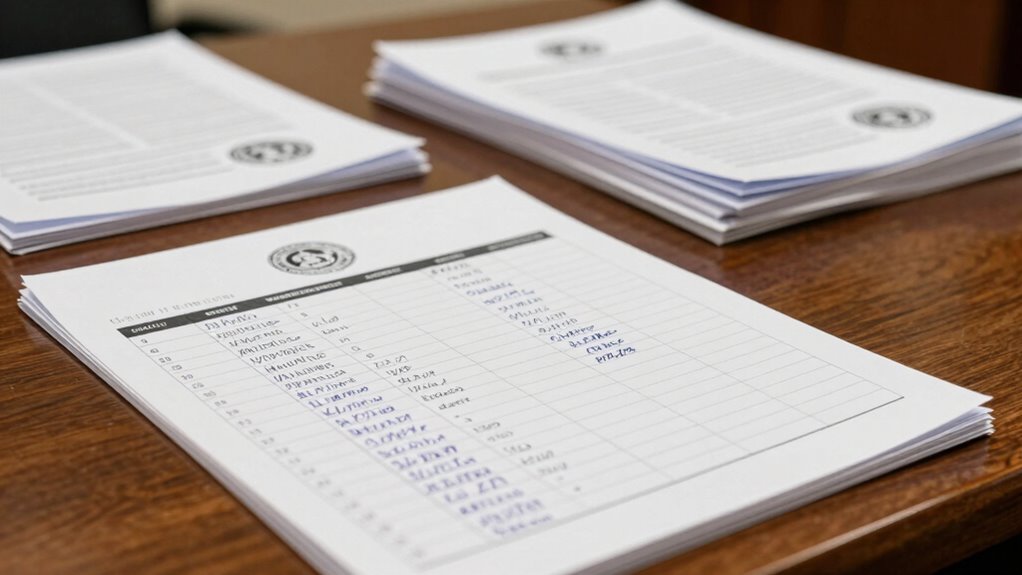

Court calendars help you see upcoming hearings, motions, and court dates, making scheduling easier. Final case records, on the other hand, provide a complete history of the case, including evidence, rulings, and the final judgment. Calendars are used for planning, while records give you detailed legal documentation after the case ends. Understanding these differences helps you access the right information you need. If you keep exploring, you’ll discover even more about their distinct roles.

Get smart everyday buys delivered free with Prime
- Fast, free delivery on millions of items
- Prime Video, Amazon Music and more included
- Member-only deals all year
Key Takeaways
- Court calendars schedule upcoming hearings and court activities; final case records document the complete case history and outcomes.
- Calendars focus on future events; final records provide detailed legal proceedings and final judgments.
- Calendars are primarily used for scheduling; final records are accessible for case review and legal analysis.
- Calendars do not include procedural details or legal arguments; final records contain motions, evidence, and rulings.
- Calendars help plan court operations; final case records serve as comprehensive legal documentation post-resolution.
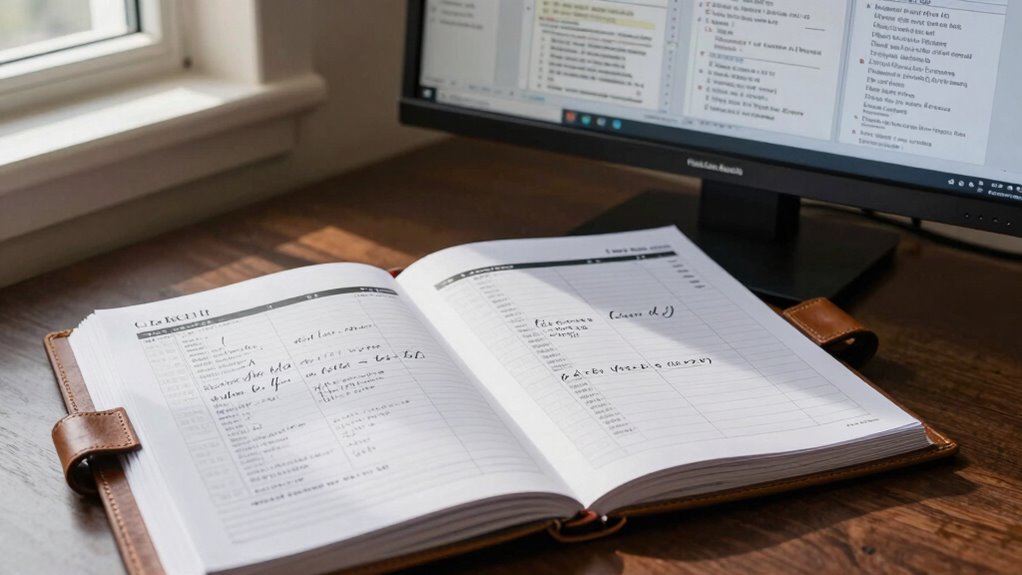
In contrast, final case records contain exhaustive case documentation that captures the entire legal journey. These records include all motions filed, evidence presented, testimonies, rulings, and the ultimate judgment or verdict. They provide a complete history of a case, often spanning from the initial filing to the final resolution. When you review final case records, you get a detailed account of how the case unfolded, including procedural steps and legal arguments. Recognizing the importance of legal documentation can help you better interpret case outcomes and procedural history. Moreover, final case records are publicly accessible in many jurisdictions, allowing researchers and interested parties to review case details long after the legal process concludes.
While court calendars are primarily used to facilitate judicial scheduling and guarantee court operations run smoothly, final case records serve as legal documentation that can be referenced long after the case concludes. The two are connected—court calendars help you know when to follow or participate in hearings, whereas final case records allow you to analyze the case’s outcome and legal reasoning. If you’re a legal professional, researcher, or involved party, understanding the difference helps you access the right information at the right time. You won’t find final case records in the court calendar; instead, you’ll need to request or search for the case documentation separately. Recognizing how these two resources complement each other ensures you stay well-informed about both upcoming judicial activities and the detailed history of legal cases.
As an affiliate, we earn on qualifying purchases.
Frequently Asked Questions
How Often Are Court Calendars Updated?
Court calendars are typically updated regularly, often daily or weekly, to reflect ongoing case scheduling and courtroom proceedings. You’ll find updates occur whenever new hearings are scheduled, rescheduled, or canceled. These updates help you stay informed about upcoming court dates. It’s vital to verify the calendar frequently if you’re involved in a case, as it guarantees you’re aware of all courtroom proceedings and can prepare accordingly.
Can I Access Court Calendars Online?
You can access court calendars online easily. Did you know that over 80% of courts now offer electronic access to their schedules? With online court calendar navigation, you can view upcoming hearings, trial dates, and more from anywhere. This convenient system helps you stay informed without visiting the courthouse. Simply visit the court’s website, find the calendar section, and navigate to the relevant dates—it’s quick and user-friendly.
Are Court Calendars the Same Across Different Jurisdictions?
No, court calendars aren’t the same across different jurisdictions. Jurisdictional variations lead to differences in how calendars are organized, displayed, and accessed. Some courts customize their calendars to suit local needs, including specific scheduling formats or online access features. You should check the particular court’s website or contact their clerk’s office to understand their calendar system, as it can vary markedly depending on where you are.
What Information Is Typically Included in a Final Case Record?
You’ll find a final case record packed with more legal document terminology than a law school syllabus! It includes case details, pleadings, judgments, and evidence summaries. But beware—case record confidentiality means sensitive info is protected, so not everything’s open for public eyes. This document’s like the ultimate legal scrapbook showing the whole story, from start to finish, making it essential for understanding the case’s final chapter.
How Long Do Final Case Records Remain Publicly Accessible?
Final case records generally remain publicly accessible for many years, often indefinitely, due to archival practices. However, privacy concerns may lead courts to restrict access or seal certain records over time, especially in sensitive cases. You should check specific court policies, as laws vary by jurisdiction. While these records are usually maintained for transparency, courts balance that with privacy, potentially limiting public access whenever necessary.
As an affiliate, we earn on qualifying purchases.
Conclusion
Now that you see the wild differences between court calendars and final case records, you can’t unsee the chaos behind the scenes of justice! Court calendars are the frantic previews, while final case records are the ultimate verdicts etched in stone. Think of them as the difference between a wild roller coaster ride and the calm, steady ground beneath it. Stay sharp—you’re now a Supreme insider in the courtroom’s behind-the-scenes universe!
As an affiliate, we earn on qualifying purchases.
As an affiliate, we earn on qualifying purchases.
Halloween Picks
halloween
As an affiliate, we earn on qualifying purchases.