DojoClaw, an AI-driven content engine, now supports more than 450 sites, enabling scalable, cost-effective content production without increasing staff.
Threlmark treats local disk storage as the definitive source of truth, simplifying sync and enhancing offline use. This article explores how this design shapes data management.
A large automated content network is publishing content to its own sites, causing imbalance and potential SEO risks. The causes and implications are still unfolding.
A major shift in digital publishing sees content networks increasingly publishing to their own properties, boosting engagement and control but raising new risks.
ChannelHelm introduces a new tool that automates video asset creation, enabling creators to generate complete publishing packages from a single video upload.
AI search now answers queries directly, ending the traditional referral traffic model that funded independent publishers, causing significant industry shifts.
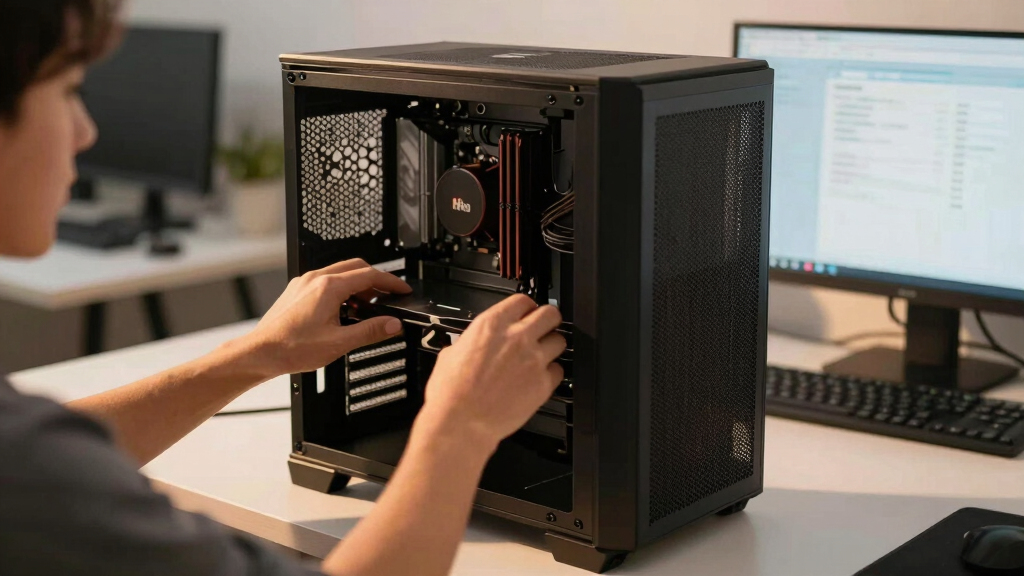
Explore top PC cases balancing airflow and noise reduction. Learn which cases suit high-power workstations and why airflow often beats silence for sustained loads.