
When you go through a volunteer screening program, you can expect a mix of background checks, interviews, and reference contacts to verify your experience and trustworthiness. You’ll likely undergo safety training or orientations to understand policies and standards. Some programs may assess your motivations or skills for specific roles, especially if they involve sensitive populations or eco-friendly projects. To learn more about what these screenings entail, keep exploring how organizations guarantee safe and reliable volunteer environments.

Get smart everyday buys delivered free with Prime
- Fast, free delivery on millions of items
- Prime Video, Amazon Music and more included
- Member-only deals all year
Key Takeaways
- Comprehensive background checks, including criminal, employment, and sometimes credit history, ensure volunteer safety and trustworthiness.
- Interviews assess motivations, skills, and experience, providing insight into candidate suitability and commitment.
- Verification of application details confirms credibility and accuracy of information provided by volunteers.
- Reference checks offer additional character insights from previous supervisors or organizations.
- Specialized screenings evaluate understanding of relevant topics, like sustainability, to align with organizational values.
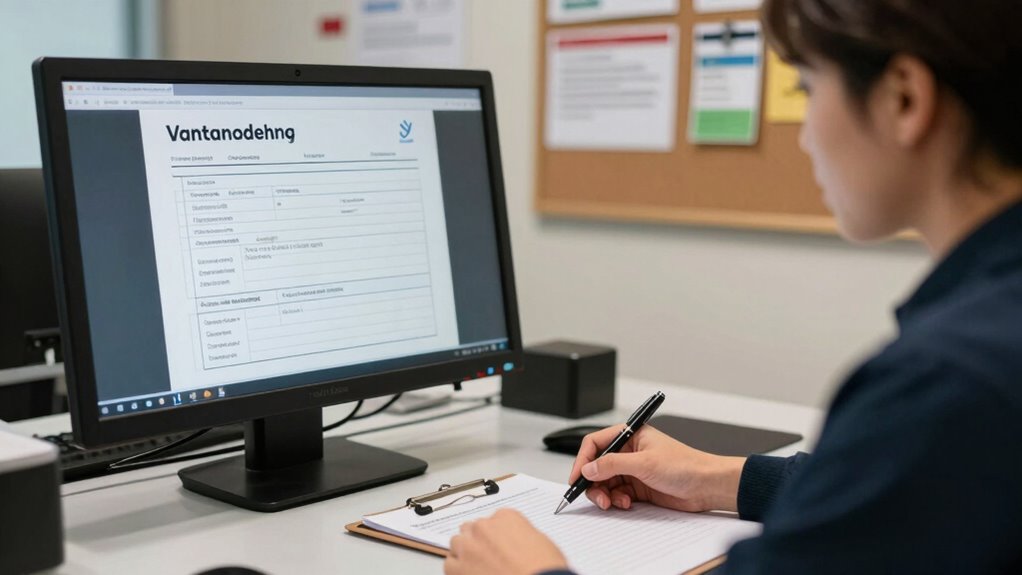
Have you ever wondered how organizations guarantee their volunteers are trustworthy and dependable? The answer lies in thorough volunteer screening programs designed to evaluate each candidate carefully. When you decide to volunteer, you can expect these programs to begin with a series of background checks. These checks are essential because they help organizations verify your criminal history, employment record, and sometimes even your credit history, depending on the role. Background checks serve as a key filter, ensuring that only suitable individuals work with vulnerable populations or handle sensitive information. They offer peace of mind both for the organization and for the people you will serve, as they help prevent potential risks or misconduct.
Alongside background checks, interview processes play an important role in volunteer screening. Organizations typically conduct interviews to get to know you better, assess your motivations, and understand your skills and experience. These interviews aren’t just about asking questions—they’re opportunities for organizations to evaluate your communication skills, reliability, and genuine interest in their cause. During the interview, you might be asked about your previous volunteer experience, how you handle challenging situations, or why you’re passionate about volunteering. This step helps organizations determine if your values align with their mission and if you’re a good fit for the specific role. It also allows them to clarify expectations and provide more details about the responsibilities involved. Additionally, some programs incorporate background verification as a crucial step to confirm the accuracy of your application details, which can include verifying your credibility through various methods. Incorporating proper screening procedures ensures a comprehensive assessment of each volunteer’s suitability and commitment. You can also expect some programs to include reference checks, where they contact previous employers, supervisors, or other volunteers who can vouch for your character and work ethic. These references provide additional insight into your reliability and attitude, giving organizations a more complete picture of who you are beyond your resume or application. Additionally, some screening programs might include orientation sessions or training to guarantee you understand the organization’s policies, safety protocols, and ethical standards before you begin volunteering. Moreover, considering electric dirt bikes and related electric vehicle technologies, organizations that focus on environmental or sustainable projects might also incorporate knowledge of eco-friendly transportation options into their screening process. A thorough understanding of background checks and related procedures is crucial for maintaining a safe and trustworthy volunteer environment.
background check services for volunteers
As an affiliate, we earn on qualifying purchases.
As an affiliate, we earn on qualifying purchases.
Frequently Asked Questions
How Long Does the Screening Process Typically Take?
The volunteer screening process usually takes anywhere from a few days to a couple of weeks, depending on the organization. During this time, you’ll go through volunteer screening procedures, including background check procedures, which verify your criminal history and suitability. Factors like the depth of screenings and the volume of applicants can affect the timeline. Be patient, and stay in touch with the organization for updates on your application status.
Are Background Checks Mandatory for All Volunteer Roles?
Think of background checks as the gatekeeper to your volunteer journey—mandatory for many roles to guarantee safety and trust. While some positions require thorough screening criteria, others might have more relaxed volunteer eligibility rules. It’s crucial to check specific program policies, as many organizations prioritize safety by making background checks a standard part of their screening process. This step helps protect everyone involved and maintains the integrity of the volunteer environment.
What Are Common Reasons Volunteers Are Rejected?
You might be rejected as a volunteer if your motivation doesn’t align with the organization’s goals or if you don’t meet the screening criteria. Common reasons include incomplete applications, criminal backgrounds, or lack of relevant experience. Organizations want dedicated volunteers who genuinely support their mission, so if your background or motivation doesn’t match their standards, you’ll likely face rejection. Ensuring your application reflects your true motivation can improve your chances.
Can Volunteers Appeal Their Screening Results?
Yes, volunteers can usually appeal their screening results, especially if they believe there was an error or new information emerges. During the appeal process, organizations prioritize volunteer confidentiality and guarantee screening transparency. You’ll likely need to provide additional details or evidence, and the organization will review your case carefully. Remember, clear communication and understanding the appeal procedures help protect your rights while maintaining trust in the screening process.
How Is Sensitive Personal Information Protected During Screening?
About 90% of organizations prioritize data encryption to protect personal info during screening. You can trust that sensitive personal information is secured through robust data encryption methods, ensuring it remains confidential. Additionally, organizations follow strict privacy policies, which outline how your data is handled, stored, and shared. These measures work together to keep your personal details safe, giving you peace of mind throughout the screening process.
volunteer interview preparation guide
As an affiliate, we earn on qualifying purchases.
As an affiliate, we earn on qualifying purchases.
Conclusion
So, as you delve into these volunteer screening programs, remember—they’re your golden ticket to weeding out the “questionable” characters and ensuring your organization stays the shining beacon of integrity. Who knew that a few background checks and interviews could turn chaos into civility? Embrace the process, and you’ll soon discover that the real surprise isn’t the screening itself, but how effortlessly it transforms volunteers from potential liabilities into your organization’s most valuable assets. Cheers to safe, scandal-free service!
reference check services for volunteers
As an affiliate, we earn on qualifying purchases.
As an affiliate, we earn on qualifying purchases.
volunteer safety training courses
As an affiliate, we earn on qualifying purchases.
As an affiliate, we earn on qualifying purchases.
Halloween Picks
halloween
As an affiliate, we earn on qualifying purchases.