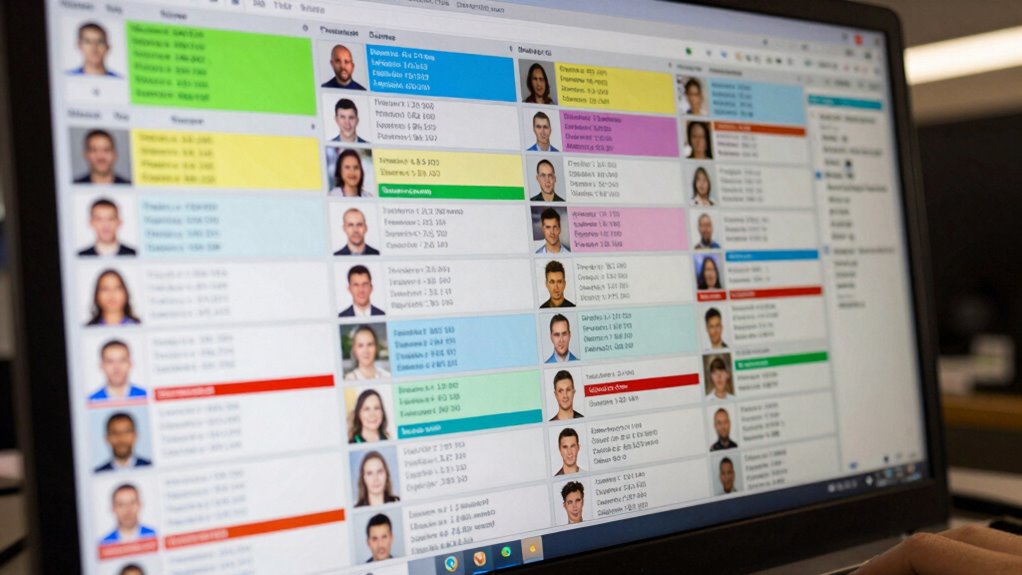

Identity mix-ups happen in screening databases when duplicate records or inconsistent data entries cause your records to become fragmented or incorrect. This often occurs due to data entry errors, lack of standardized procedures, or outdated information. When records aren’t properly reconciled, it’s easy for identities to get mixed up, leading to false flags or missed risks. By understanding how these mistakes happen, you can find ways to prevent them and guarantee your data stays accurate.

Get smart everyday buys delivered free — and shop member deals
- Fast, free delivery on millions of items
- Access to Prime Big Deal Days deals on October 6–7
- Prime Video, Amazon Music and more included
Key Takeaways
- Inconsistent data entry practices lead to variations in personal details, causing duplicate records.
- Lack of standardized procedures allows similar but slightly different entries to remain unmerged.
- Human errors during manual data input result in misspellings or incorrect information, creating confusion.
- Limited or ineffective duplicate detection systems fail to identify and consolidate overlapping records.
- Data silos and fragmented sources prevent comprehensive profile creation, increasing the risk of identity mix-ups.

Duplicate record management plays a vital role in preventing identity mix-ups. When a person’s data appears multiple times under slightly different details, it becomes challenging to determine which record is accurate or most up-to-date. If these duplicate entries are not properly managed, they can lead to a fragmented view of the individual’s identity, which can result in false positives or negatives during screening processes. For example, a person might be flagged as a risk because their record exists in two different versions with conflicting information, or the system might overlook important details because they are scattered across multiple records. Efficient duplicate record management involves identifying and merging these overlapping entries to create a single, extensive profile, reducing the chance of misidentification. Proper duplicate detection techniques are essential to maintaining data integrity and accuracy. Additionally, implementing automated systems with de-duplication features can help minimize human error and improve the efficiency of managing these records. Incorporating machine learning algorithms can further enhance duplicate detection by learning from past cases and improving over time.
You might not realize that these issues are interconnected. Data entry errors, for instance, often multiply when multiple staff members input information without standardized procedures or verification steps. This lack of consistency allows errors to slip through, creating a tangled web of inaccurate data. Additionally, inadequate duplicate record management can compound the problem, as multiple versions of a person’s identity remain unresolved within the system. Over time, these inaccuracies grow, leading to a cascade of errors in screening, background checks, or identity verification processes. Incorporating data validation measures and standardized entry protocols can significantly reduce these risks and improve overall data quality. Recognizing the importance of body jewelry measurements and materials, like proper sizing and material compatibility, can also contribute to more accurate record-keeping, especially in systems that track detailed personal data.
To avoid these issues, you need to emphasize accuracy during data entry and implement robust duplicate record management protocols. Regular audits and validation checks help catch errors early, ensuring each individual’s profile remains reliable. Automated systems with built-in de-duplication features can drastically reduce human error and streamline the process of maintaining clean, accurate records. Recognizing how small mistakes can escalate into major identity mix-ups underscores the importance of diligent record-keeping. When you prioritize precision and proper management, you minimize risks and uphold the integrity of your screening database, safeguarding against the potentially severe consequences of mistaken identities.
duplicate record detection software
As an affiliate, we earn on qualifying purchases.
As an affiliate, we earn on qualifying purchases.
Frequently Asked Questions
How Can Biometric Data Reduce Identification Errors?
Biometric data reduces identification errors by providing high biometric accuracy, ensuring you’re correctly identified every time. It minimizes false positives and negatives, making your verification process more reliable. Although biometric systems enhance accuracy, you should also consider privacy concerns, as sensitive data must be protected. Proper encryption and strict access controls help balance security with privacy, giving you confidence in both the system’s precision and data safety.
What Role Does Data Entry Play in Mix-Ups?
You might think data entry is a minor step, but it often causes mix-ups. Inaccurate data entry, like misspelled names or wrong IDs, can lead to serious identification errors. Human oversight is essential, yet it can also introduce mistakes if not careful. Ensuring data accuracy through double-checking and validation minimizes errors, preventing identity mix-ups. Your attention to detail makes all the difference in maintaining database integrity.
Are There Legal Risks Associated With Identity Errors?
Yes, there are legal risks associated with identity errors. You could face legal liability if incorrect information leads to wrongful decisions or breaches of privacy concerns. Such mistakes might violate data protection laws or consumer rights, resulting in lawsuits, fines, or reputational damage. It’s essential you implement accurate data management practices to minimize these risks, protect individuals’ privacy, and guarantee compliance with all relevant legal standards.
How Do Cultural Name Variations Affect Screening Accuracy?
Cultural naming conventions and multilingual name challenges profoundly impact screening accuracy. When names follow different cultural formats, like order or spelling variations, you might miss matching records or create false positives. These variations can cause errors in databases, making it harder to identify individuals correctly. To improve accuracy, you should implement flexible matching algorithms that account for diverse naming systems and linguistic differences, reducing the risk of misidentification.
Can Machine Learning Improve Database Matching Processes?
Machine learning can markedly improve database matching processes by minimizing mistakes. It uses algorithms that learn from data, but watch out for algorithm bias which can skew results. By applying data normalization, you guarantee consistent, comparable data, reducing errors. This combination helps strike a balance—enhancing accuracy while avoiding bias—making screening more reliable and robust for diverse datasets.
data validation tools for databases
As an affiliate, we earn on qualifying purchases.
As an affiliate, we earn on qualifying purchases.
Conclusion
So, next time you check your records, remember—your identity could be tangled in ways you never imagined. These mix-ups aren’t just clerical errors; they could have serious consequences. Are your details truly safe and accurate? Or is someone else’s mistake lurking just beneath the surface, waiting to surface? Stay vigilant. Because in the world of screening databases, a simple mix-up can change everything—and you don’t want to be caught off guard when it finally does.
As an affiliate, we earn on qualifying purchases.
automated data de-duplication system
As an affiliate, we earn on qualifying purchases.
As an affiliate, we earn on qualifying purchases.
Fall Picks
fall essentials
As an affiliate, we earn on qualifying purchases.