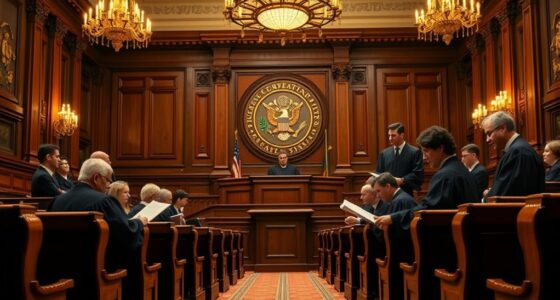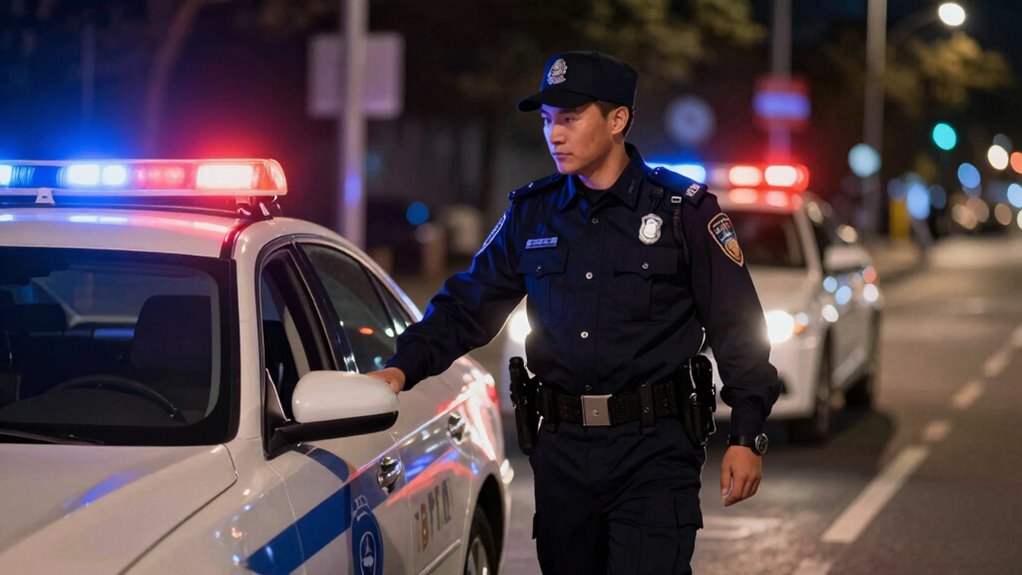

Warrants usually don’t impact routine traffic stops because law enforcement relies on probable cause or reasonable suspicion to act. Officers can stop your vehicle if they observe traffic violations or suspicious behavior, without needing a warrant. They can also search your vehicle if they find enough cause, like the smell of drugs or visible illegal items. Knowing how warrants interact with stops helps you understand your rights better—more details await if you keep going.

Get smart everyday buys delivered free with Prime
- Fast, free delivery on millions of items
- Prime Video, Amazon Music and more included
- Member-only deals all year
Key Takeaways
- Warrants are generally not required for routine traffic stops based on probable cause or reasonable suspicion.
- Warrantless searches during stops rely on probable cause, not on having a warrant beforehand.
- If law enforcement seeks a warrant, they must demonstrate probable cause to a judge before conducting a search.
- The presence or absence of a warrant influences the legality of searches and the admissibility of evidence.
- Understanding warrants helps determine whether law enforcement actions during a stop violate constitutional rights.
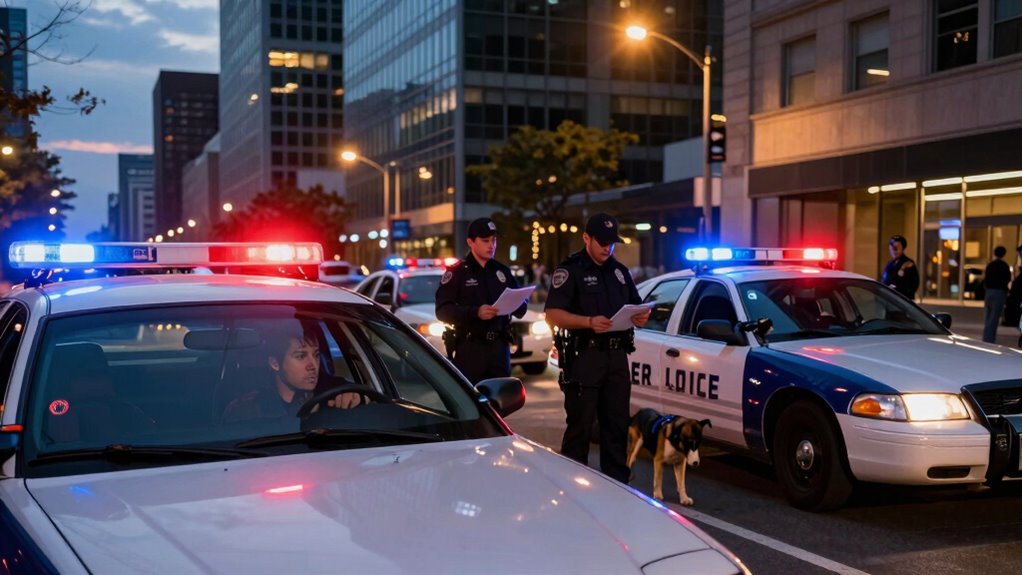
When you’re pulled over during a routine traffic stop, it’s important to understand the role warrants play in the process. Generally, a police officer can stop you if they have probable cause to believe you’ve committed a traffic violation or if they have reasonable suspicion based on observable factors. Probable cause is a critical element because it justifies the officer’s actions and determines whether they can proceed with further investigation. If the officer suspects there’s more than just a traffic violation—like the presence of illegal substances or a stolen vehicle—they might want to conduct a search. However, without a warrant, the officer’s ability to search your vehicle depends on certain search procedures and legal standards.
During a traffic stop, officers need probable cause or a warrant to search your vehicle legally.
In most cases, a warrant isn’t needed during a routine traffic stop if the officer has probable cause to search the vehicle. Probable cause can arise from observations made during the stop—like the smell of drugs, visible illegal items, or suspicious behavior. For example, if the officer notices a bag of illegal substances on the seat or detects the odor of marijuana, these are clear indicators that justify a search without a warrant. Search procedures are then initiated based on these observations, and if the officer finds evidence of a crime, it can be used against you in court. Additionally, understanding search procedures can help you recognize when a search might be unlawful.
Furthermore, some jurisdictions allow for exigent circumstances, which can justify a warrantless search if there is an immediate threat or risk of evidence destruction. On the other hand, if the officer’s suspicions are vague and lack concrete evidence, they typically can’t search your vehicle without a warrant. To get a warrant, the officer must demonstrate probable cause to a judge or magistrate, showing reasonable grounds to believe your vehicle contains evidence of a crime. The judge then issues a warrant, allowing the officer to search the vehicle legally. This process ensures that your Fourth Amendment rights are protected, preventing unwarranted searches.
It’s important to remember that during a routine traffic stop, you have rights. If law enforcement attempts a search without proper probable cause or a warrant, you can object and refuse consent. However, remaining calm and respectful is advisable, as challenging the legality of a search later in court can be more effective than arguing on the spot. Overall, warrants significantly influence what law enforcement can do during traffic stops, with probable cause serving as the foundation for their actions and search procedures. Understanding these rules helps you better navigate traffic stops and protect your rights. Additionally, understanding the role of warrants can help you recognize when your rights are being violated.
As an affiliate, we earn on qualifying purchases.
Frequently Asked Questions
Can Warrants Be Issued Without Probable Cause?
Warrants can’t be issued without probable cause because of legal implications that protect your rights. Courts require officers to demonstrate reasonable suspicion before obtaining a warrant, ensuring your privacy isn’t unjustly invaded. If a warrant is issued without probable cause, it can lead to legal challenges and dismissal of evidence. So, law enforcement must follow proper procedures to balance their duties with respecting your privacy and constitutional protections.
How Long Does a Warrant Remain Active?
A warrant remains active until the court explicitly cancels it or the individual fulfills certain conditions. If you’re on probation, your probation conditions might influence how long a warrant stays active. Court deadlines also play a role; if you don’t address the warrant within the specified time, it can remain valid longer. Always stay informed about your case status and comply with court directives to avoid unnecessary complications.
Are Warrants Necessary for Minor Traffic Violations?
Think of warrants like a detective’s badge; they’re not always needed for minor traffic violations. Usually, background checks or vehicle searches are enough to handle small infractions. I once saw a driver get pulled over for a broken taillight, and since no warrant was involved, the officer simply issued a warning. Warrants are typically reserved for serious crimes, not routine stops, making them unnecessary for minor violations.
What Rights Do Drivers Have During a Warrantless Stop?
During a warrantless stop, you have the right to protect your driver privacy, which means law enforcement can’t search your vehicle without your consent or probable cause. They must respect search limitations, so they can’t conduct a thorough search without valid reasons. You can remain silent and ask if you’re free to leave. If they want to search, you can politely refuse unless they have a warrant or exigent circumstances.
Can Warrants Be Challenged After a Traffic Stop?
Yes, you can challenge warrants after a traffic stop. If the police lacked proper authority or followed flawed legal procedures, the warrant may be invalid. You have the right to contest its validity in court, which could lead to evidence being suppressed or charges dropped. Remember, police authority isn’t absolute, and challenging a warrant is your legal right if you believe it was improperly issued or executed.
probable cause law enforcement handbook
As an affiliate, we earn on qualifying purchases.
As an affiliate, we earn on qualifying purchases.
Conclusion
In summary, knowing whether a driver has an active warrant can considerably influence routine traffic stops, often leading to more serious legal consequences. Notably, studies show that officers locate warrants in about 10% of traffic stops, highlighting how common this issue is. Being aware of this fact can help you stay informed and prepared. Always remember, understanding your rights and the role warrants play can make a difference in how these encounters unfold.
As an affiliate, we earn on qualifying purchases.
As an affiliate, we earn on qualifying purchases.
Halloween Picks
halloween
As an affiliate, we earn on qualifying purchases.