

Some warrants are made public to promote transparency and build trust in the justice system, showing that law enforcement acts within legal bounds. However, others stay confidential to protect ongoing investigations, prevent suspects from escaping, and guarantee safety for everyone involved. Legal standards and jurisdictional rules influence these decisions, which can vary by region. The impact of technology also shapes how warrants are shared or kept secret. If you’re curious, there’s more to discover about the factors behind warrant disclosure.

Get smart everyday buys delivered free with Prime
- Fast, free delivery on millions of items
- Prime Video, Amazon Music and more included
- Member-only deals all year
Key Takeaways
- Public warrants promote transparency and accountability in law enforcement actions.
- Confidentiality protects ongoing investigations, suspects, and undercover operations from compromise.
- Judicial discretion balances transparency benefits against potential risks and legal considerations.
- Jurisdictional rules vary, with some regions requiring warrant disclosure and others prioritizing secrecy.
- Technological advancements and policy shifts influence how warrant information is shared or kept confidential.
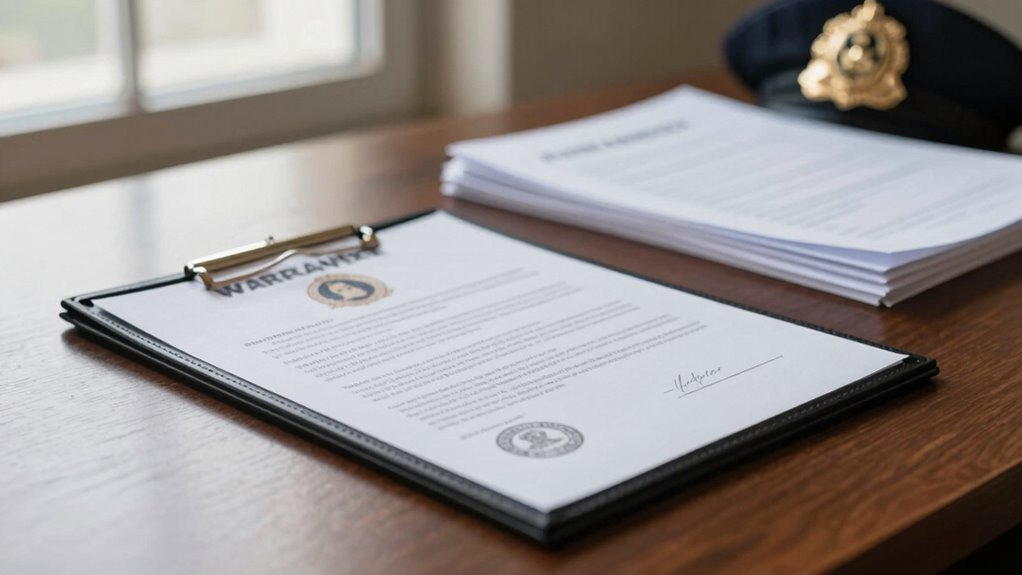
Have you ever wondered whether warrants should be publicly accessible or kept confidential? The answer isn’t straightforward, as it hinges on multiple factors, including legal implications and regulatory differences. Warrants are court orders that authorize law enforcement to carry out searches, seizures, or arrests. Sometimes, they’re made public, and other times, they’re kept under wraps. Understanding why this distinction exists helps clarify the broader debate about transparency versus privacy in the justice system.
Warrants’ confidentiality depends on legal, investigative, and jurisdictional considerations balancing transparency and privacy.
When warrants are made public, it generally aims to promote transparency and accountability. Releasing warrant information can reassure the public that law enforcement acts within the bounds of the law and respects individuals’ rights. Yet, this openness isn’t universal. In some cases, making warrants public could jeopardize ongoing investigations, tip off suspects, or compromise undercover operations. That’s why certain warrants are kept confidential— to protect the integrity of investigations and guarantee the safety of those involved. Moreover, legal standards influence how and when warrant disclosures occur, varying across jurisdictions. These standards are often shaped by judicial discretion, which guides courts in balancing transparency with security concerns.
Legal implications play a vital role in determining whether warrants are disclosed. Courts weigh the importance of transparency against the potential harm that disclosure might cause. For instance, if revealing a warrant could lead to evidence tampering or witness intimidation, courts might issue a sealing order to keep the warrant confidential. Conversely, in cases where public access can enhance trust in the justice system, courts might opt for transparency. These decisions often set precedents that influence future practices and shape the legal landscape around warrant disclosure.
Regulatory differences between jurisdictions further complicate the picture. Different states or countries have varying rules about public access to warrants. Some jurisdictions have clear laws mandating the release of warrants once execution is complete, while others may impose strict confidentiality requirements, particularly in sensitive cases. These differences reflect broader priorities—balancing the need for public oversight with the necessity to protect ongoing investigations and individual rights. Additionally, policies may evolve over time, influenced by shifts in legal standards, public opinion, or technological advances that make information more accessible. Technological advances, such as online databases and digital records, have particularly impacted how warrant information is shared and accessed across different regions.
As an affiliate, we earn on qualifying purchases.
Frequently Asked Questions
How Does Warrant Transparency Impact Market Confidence?
Warrant transparency boosts your market perception and positively influences trading dynamics. When warrants are public, you gain clearer insights into the issuer’s actions, reducing uncertainty and fostering trust. This openness encourages more trading activity, as investors feel confident making informed decisions. Conversely, lack of transparency can lead to suspicion and volatility, undermining market confidence. Overall, transparent warrants help create a stable and attractive environment for all market participants.
Are Private Warrants More Risky Than Public Ones?
They say “trust, but verify,” and private warrants can be riskier because of private negotiations, which might hide critical information. You might face increased risks of insider trading or unfair advantages, making these warrants less transparent and more prone to manipulation. Public warrants promote transparency, reducing such risks. So, yes, private warrants generally carry more risk because you have less visibility, increasing your exposure to unforeseen issues.
What Legal Protections Exist for Warrant Holders?
You’re protected by legal safeguards that guarantee warrant holders’ rights are respected, such as court oversight and adherence to constitutional protections like the Fourth Amendment. Privacy considerations are also prioritized, limiting how and when law enforcement can use warrants. These protections prevent abuse, ensure proper procedure, and help maintain your privacy rights while allowing authorities to carry out investigations lawfully.
How Do Warrant Disclosures Vary Across Countries?
Sure, because everyone loves a global game of hide and seek with warrants, international regulations and disclosure standards wildly differ. In some countries, authorities shout warrants from rooftops, promoting transparency, while others treat them like secret recipes. You might find yourself in a jurisdiction where disclosure is meticulous, or one where warrants stay hush-hush to safeguard national interests. It’s like a cultural exchange program, but with legal documents instead of souvenirs.
Can Warrants Be Converted Into Other Financial Instruments?
Yes, warrants can be converted into other financial instruments, like shares or bonds, depending on their terms. When considering warrant valuation, you’ll need to assess market liquidity, which impacts how easily you can convert or sell them. Conversion processes are typically outlined in the warrant agreement, and understanding market liquidity helps you gauge the potential ease and value of such conversions, ensuring you make informed financial decisions.
As an affiliate, we earn on qualifying purchases.
Conclusion
Think of warrants like doors to secret rooms. Sometimes, these doors are wide open for everyone to see, revealing the treasures inside—these are your public warrants. Other times, the doors are kept locked, hiding what’s behind them—these are the non-public warrants. Whether open or locked, each door serves a purpose. By understanding which doors are open and which are closed, you gain better insight into the hidden world of law enforcement and justice.
confidential investigation tools
As an affiliate, we earn on qualifying purchases.
As an affiliate, we earn on qualifying purchases.
law enforcement document scanner
As an affiliate, we earn on qualifying purchases.
As an affiliate, we earn on qualifying purchases.
Halloween Picks
halloween
As an affiliate, we earn on qualifying purchases.