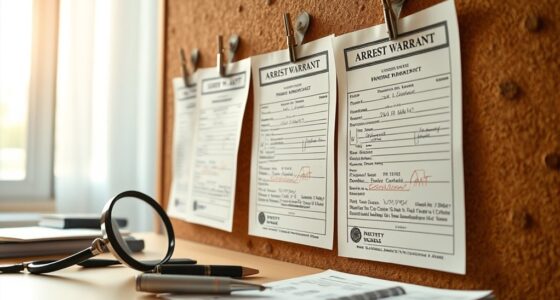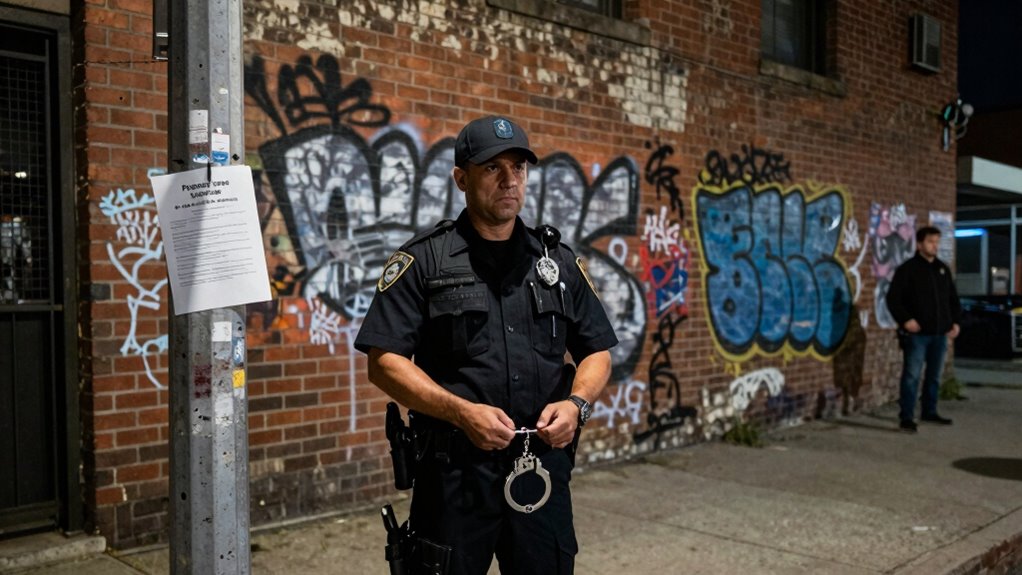

When you violate your probation, your probation officer may notice or be alerted to the breach and report it to the court. If the violation is serious or you don’t cooperate, the court can issue an arrest warrant to detention authorities. This warrant allows law enforcement to locate and detain you. Understanding how violations lead to warrants helps you see the importance of staying compliant—keep exploring to learn what happens next.

Get smart everyday buys delivered free with Prime
- Fast, free delivery on millions of items
- Prime Video, Amazon Music and more included
- Member-only deals all year
Key Takeaways
- Probation officers report violations to the court after monitoring non-compliance with probation conditions.
- Suspected violations, such as missed meetings or new crimes, lead to violation reports.
- The court reviews violation reports and may issue an arrest warrant if violations are severe or uncooperative.
- Warrants authorize law enforcement to locate and detain individuals suspected of violating probation.
- Ignoring probation rules or failing to address violations increases the likelihood of warrant issuance and arrest.
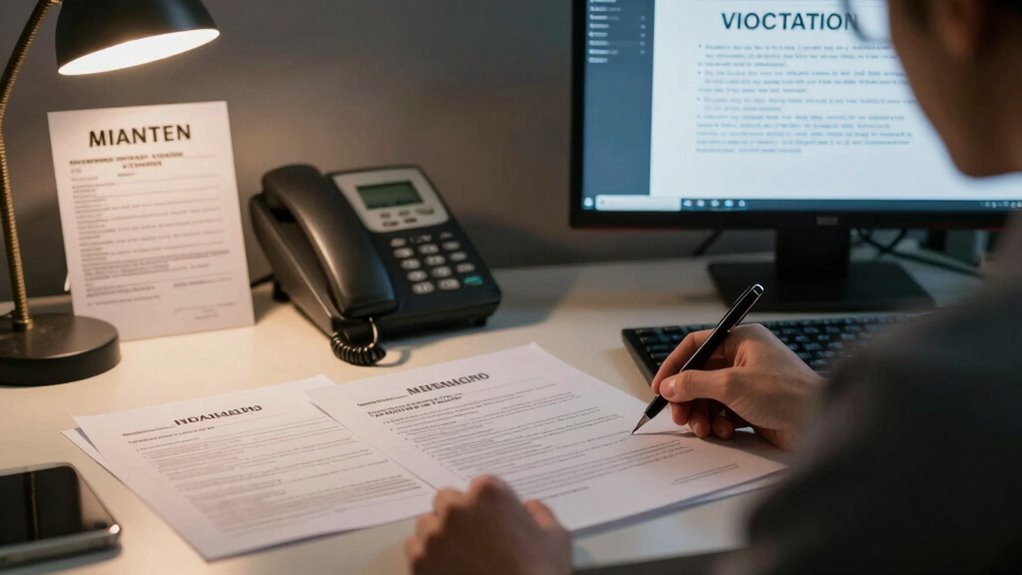
When you’re on probation, any violation can lead to serious consequences, including the issuance of an arrest warrant. Probation is a form of community supervision that allows you to serve your sentence outside of jail, but it comes with strict conditions you must follow. If you break any of those rules—whether it’s missing meetings, failing drug tests, or committing new offenses—the court can view that as a violation of your probation terms. When this happens, the legal repercussions can escalate quickly. Instead of just facing a simple hearing, the court might issue an arrest warrant to ensure you appear before a judge to address the violation.
The process begins with your probation officer monitoring your compliance. If they suspect you’ve violated your probation, they typically notify the court and may file a violation report. This report triggers a hearing where you’ll have the chance to explain your actions. However, if the violation is severe or if you’re uncooperative, the court may decide to issue an arrest warrant immediately. This warrant authorizes law enforcement to find and detain you. Once arrested, you’ll be brought back before the court to face the consequences of your probation breach. It is important to understand that monitoring and enforcement are essential components of the probation system to maintain accountability. Additionally, effective supervision plays a vital role in ensuring compliance and reducing repeat offenses.
Legal repercussions of probation violations go beyond just detention. If found guilty of violating probation, the judge might revoke your probation entirely. This could mean serving the original sentence in jail or prison, effectively undoing the freedom you were granted through community supervision. In some cases, the court might impose additional penalties, such as extended probation periods or stricter conditions. The severity of these repercussions depends on the nature of the violation and your criminal history. It’s crucial to understand that violations are taken seriously because they undermine the purpose of probation—rehabilitation and community safety. Understanding probation violations is essential to avoid escalating legal issues.
The risk of an arrest warrant underscores the importance of adhering to your probation conditions. Ignoring or dismissing the rules can result in a swift legal response, including arrest, detention, and possible incarceration. If you’re unsure about your obligations or facing difficulties complying, it’s best to communicate proactively with your probation officer or seek legal counsel. Staying compliant not only helps you avoid arrest warrants but also demonstrates your commitment to fulfilling your sentence and moving forward positively. Remember, probation is a privilege granted by the court, and maintaining that privilege requires strict adherence to its rules. Any violation can quickly escalate into a warrant for your arrest, making it vital to stay vigilant and compliant at all times. Being aware of probation monitoring procedures can help you better understand how compliance is enforced and maintained.
probation violation monitoring device
As an affiliate, we earn on qualifying purchases.
As an affiliate, we earn on qualifying purchases.
Frequently Asked Questions
Can Probation Violations Be Dismissed Before Warrant Issuance?
Yes, probation violations can sometimes be dismissed before a warrant is issued. If you address the violation promptly by showing you’ve met probation conditions or challenging the violation in court, you may avoid a warrant. Courts consider violation consequences carefully, and timely action can prevent escalation. It’s essential to work with a legal professional who understands probation rules and can help you navigate your options before a warrant is issued.
What Rights Do I Have During Warrantless Probation Searches?
Like a storm cloud gathering, warrantless probation searches can feel overwhelming. You have rights during these searches, but they’re limited. Probation conditions often allow officers to search you without a warrant if they follow proper search procedures. You can remain silent and ask if you’re being detained or if you’re free to leave. Remember, understanding your rights helps protect you during these intrusive moments.
How Long Does It Take to Process a Warrant After Violation?
After a probation violation, it typically takes a few days to a few weeks for authorities to process a warrant, depending on the case and jurisdiction. Probation terms and violation procedures influence this timeline, as officers need to gather evidence and submit paperwork. Once the warrant is issued, law enforcement can arrest you. Staying informed about your case and working with your legal counsel can help you understand your specific timeline and options.
Are Warrants Ever Issued Without Formal Court Hearings?
Imagine a silent alarm signaling trouble—warrants can sometimes be issued without formal court hearings. In probation procedures, warrant issuance may occur if a person misses meetings or violates conditions, often based on probation officer reports rather than a judge’s direct order. While rare, law enforcement can act swiftly if immediate danger or flight risk is suspected, bypassing the usual court process to maintain public safety.
Can Probation Officers Arrest Someone Without a Warrant?
Yes, probation officers can arrest you without a warrant if you violate probation conditions. They have the authority to do so based on the legal consequences of violating your probation, such as missing meetings or committing new offenses. This allows officers to act swiftly to guarantee compliance, but they must follow proper procedures and have probable cause. Always adhere to your probation conditions to avoid arrest and further legal issues.
As an affiliate, we earn on qualifying purchases.
Conclusion
If you violate probation, authorities can swiftly issue an arrest warrant, turning a legal issue into a criminal one. Nearly 70% of probation violations result in warrants, highlighting how easy it is to escalate your situation. Staying compliant isn’t just about following rules; it’s about protecting yourself from unnecessary arrest and further legal trouble. Remember, proactive steps and clear communication with your probation officer can make a huge difference in avoiding these serious consequences.
legal self-help books for probation violations
As an affiliate, we earn on qualifying purchases.
As an affiliate, we earn on qualifying purchases.
witness protection and legal defense guides
As an affiliate, we earn on qualifying purchases.
As an affiliate, we earn on qualifying purchases.
Halloween Picks
halloween
As an affiliate, we earn on qualifying purchases.