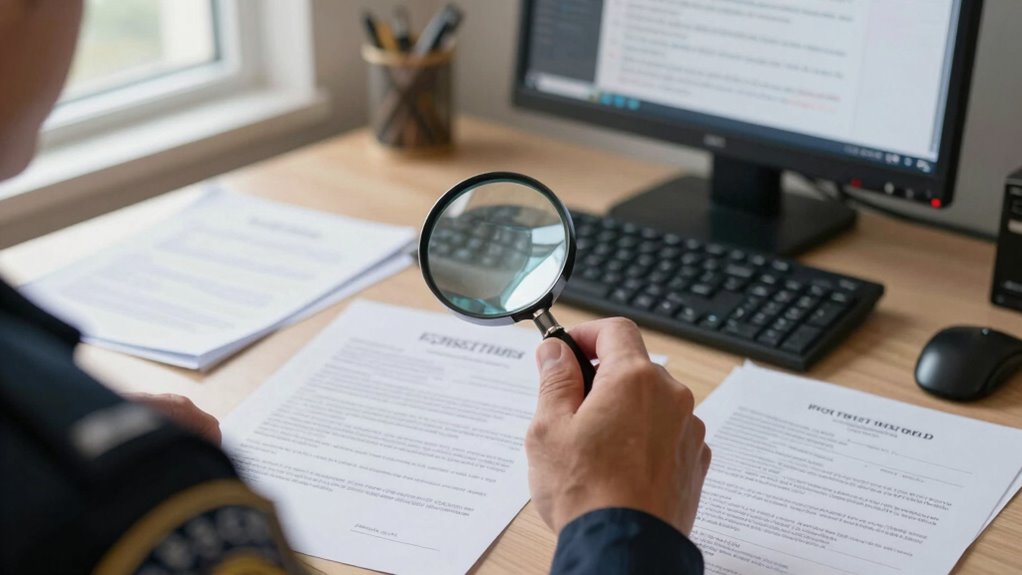

To avoid misinformation about warrant searches, rely on reputable sources like government websites, legal organizations, and qualified attorneys. Be cautious with social media posts and headlines, as they often spread false or exaggerated information. Understand your rights, such as the right to see a warrant and remain silent, and know that proper procedures require law enforcement to follow legal standards. Staying informed helps protect you from false claims—keep exploring to learn more about your rights and legal standards.

Get smart everyday buys delivered free with Prime
- Fast, free delivery on millions of items
- Prime Video, Amazon Music and more included
- Member-only deals all year
Key Takeaways
- Rely on official government websites and legal organizations for accurate information.
- Verify facts through reputable sources before accepting claims about warrant searches.
- Be cautious of sensational stories or unverified social media posts regarding law enforcement actions.
- Consult qualified attorneys for legal advice and clarification of your rights.
- Understand lawful procedures to distinguish between proper actions and potential misconduct.

Have you ever encountered conflicting information about warrant searches and wondered what’s true? It’s common to come across misleading or inaccurate details, especially since discussions about law enforcement and legal procedures can be confusing. To avoid falling for misinformation, you need a clear understanding of your legal rights and how search procedures actually work. Knowing your rights ensures you don’t unknowingly waive them, and understanding the correct procedures helps you identify false claims.
First, it’s essential to recognize that law enforcement officers must follow specific legal standards when executing a warrant. A search warrant is a court order authorizing police to search a designated location for evidence related to a crime. To obtain one, officers must demonstrate probable cause—meaning they have reasonable grounds to believe evidence of a crime exists there. The warrant must be signed by a judge or magistrate and must specify the place to be searched and the items to be seized. These rules are designed to protect your privacy rights and prevent arbitrary searches. Additionally, understanding search warrant procedures can help you recognize when law enforcement is acting within legal boundaries. It’s also important to remember that these procedures are grounded in established legal principles that aim to balance law enforcement interests with individual rights. Being aware of legal standards can further help you distinguish lawful actions from potential overreach.
Your legal rights during a search are fundamental. You generally have the right to see the warrant before the search begins and to ask if you’re being detained or if they have a warrant. You also have the right to remain silent and not answer questions. Knowing these rights is vital, especially if someone tries to mislead you about the legality of a search or your obligations. If law enforcement doesn’t follow proper search procedures—like searching without a warrant or exceeding the scope—they may violate your rights, and any evidence obtained unlawfully could be inadmissible in court.
You have the right to see the warrant, remain silent, and know if law enforcement exceeds legal search limits.
To avoid misinformation, always seek information from reputable sources. Government websites, legal organizations, and qualified attorneys provide accurate explanations of warrant procedures and your rights. Be wary of sensationalized stories or unverified social media posts that distort facts. Remember, law enforcement agencies are bound by legal standards, and not every search or seizure is lawful, even if it’s portrayed differently online. Additionally, understanding how search warrants are obtained and executed can help you better recognize when procedures are correctly followed.
Finally, if you’re unsure about your rights or the legality of a search, consult a legal professional. An attorney can clarify what’s standard practice and help you understand what to expect. Being informed and cautious can protect you from false information and ensure you’re prepared if you ever face a warrant search. It’s also helpful to familiarize yourself with law enforcement accountability practices, which can provide further insight into how searches should be conducted. By sticking to credible sources and understanding your legal rights, you’ll be better equipped to distinguish fact from fiction in situations involving warrant searches.
warrant search legal rights book
As an affiliate, we earn on qualifying purchases.
As an affiliate, we earn on qualifying purchases.
Frequently Asked Questions
Can a Warrant Be Issued Without Probable Cause?
No, a warrant can’t be issued without probable cause. Legal requirements demand that law enforcement shows there’s a fair probability that evidence or a crime will be found before a judge issues a warrant. Probable cause is essential because it protects your rights against unwarranted searches. If authorities don’t meet this standard, any search or seizure could be deemed unlawful, risking the evidence being inadmissible in court.
Are Warrant Searches Always Conducted With Police Present?
Think of warrant searches as a game of chess—search procedures follow strict legal protocols, but police aren’t always present during every move. Sometimes, they conduct searches with officers, other times, they execute them quietly, relying on legal authorization. The presence of police depends on the situation and court orders. You should understand that warrant searches aren’t always with police present, but they always follow legal protocols to protect your rights.
How Long Does a Warrant Search Typically Take?
A warrant search typically takes anywhere from a few minutes to several hours, depending on the complexity and the location. Search procedures involve verifying warrant accuracy through proper documentation and thorough checks. Factors like the size of the property, the availability of officers, and the cooperation of those involved can influence the duration. Remember, ensuring warrant accuracy is essential for a lawful and efficient search process.
Can I Refuse a Warrant Search Legally?
Yes, you can refuse a warrant search, but legal exceptions and search limitations apply. If police lack a warrant or your consent, they generally can’t search your property unless there’s an emergency or probable cause. Knowing your rights helps you refuse legally, but cooperating or challenging the search later in court might be necessary. Stay informed about your rights to protect yourself from unlawful searches and guarantee law enforcement adheres to legal standards.
Do Warrant Searches Violate Privacy Rights?
Warrant searches can raise privacy concerns, but they’re generally justified when law enforcement has probable cause and a valid warrant. While they do involve a temporary intrusion, legal implications protect your rights, requiring officers to follow proper procedures. You might feel your privacy is violated, but courts typically uphold warrant searches to balance individual rights with public safety. Understanding these legal boundaries helps you better grasp when privacy rights may be limited.
know your rights during police search
As an affiliate, we earn on qualifying purchases.
As an affiliate, we earn on qualifying purchases.
Conclusion
To steer clear of misinformation about warrant searches, remember the importance of verifying facts, much like a lighthouse guides ships through fog. When you question what you hear or read, you’re shining a light on the truth, preventing you from wandering into murky waters. Stay vigilant, seek reliable sources, and don’t let false shadows deceive you. Clear, accurate information is your compass, keeping you safe from the storms of misinformation.
As an affiliate, we earn on qualifying purchases.
legal rights for warrant searches
As an affiliate, we earn on qualifying purchases.
As an affiliate, we earn on qualifying purchases.
Halloween Picks
halloween
As an affiliate, we earn on qualifying purchases.