
TL;DR

Get smart everyday buys delivered free with Prime
- Fast, free delivery on millions of items
- Prime Video, Amazon Music and more included
- Member-only deals all year
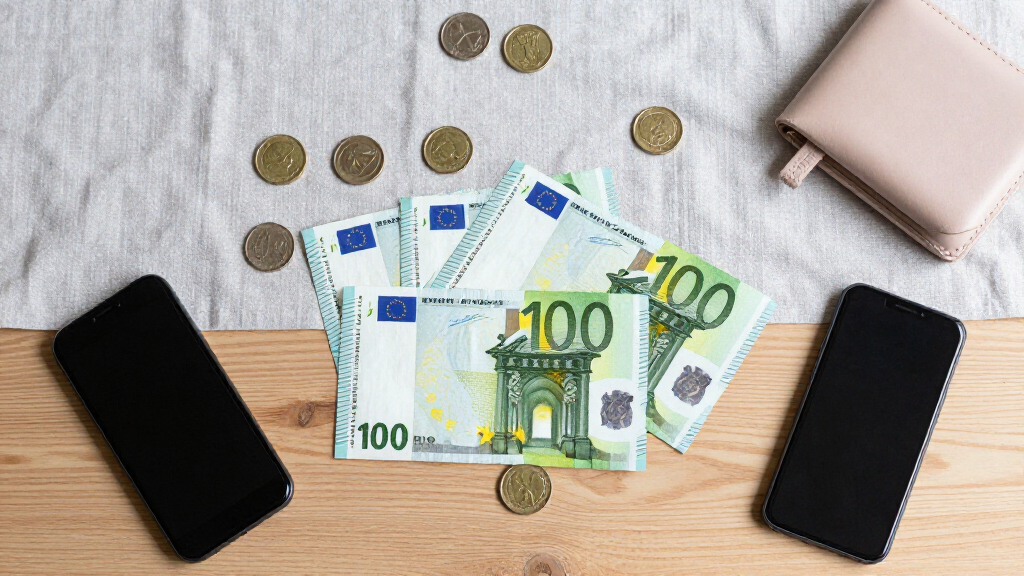
The European Central Bank confirms that cash remains the most common payment method in the euro area. Digital payments are growing but have not surpassed cash in acceptance or usage. The development highlights ongoing reliance on cash despite digital trends.
The European Central Bank (ECB) has confirmed that cash remains the most widely accepted payment method in the euro area, despite the increasing adoption of digital payments. This development underscores the continued reliance on cash among consumers and businesses, even as digital payment options expand.
According to the ECB’s latest report, cash transactions still account for the majority of payments across the euro area, both in terms of volume and acceptance. The report states that, although digital payments such as card transactions and mobile wallets are rapidly growing, they have not yet displaced cash as the primary means of payment for most consumers and merchants.
The ECB’s data shows that cash is accepted in nearly all retail environments and is preferred by a significant portion of the population for everyday transactions. The report also notes that cash usage remains especially high among older demographics and in rural areas, where digital infrastructure may be less developed.
While digital payment methods have increased in popularity, the ECB emphasizes that cash continues to play a vital role in ensuring financial inclusion and providing a fallback during technical disruptions or cyber incidents. The report highlights that the growth of digital payments is steady but has yet to surpass cash in overall acceptance or usage across the euro area.
Why Cash’s Continued Dominance Matters for the Euro Area
This confirmation matters because it illustrates the resilience of cash as a payment method amid rapid digital transformation. For policymakers and financial institutions, the sustained importance of cash highlights the need to maintain secure and accessible cash infrastructure. For consumers, it reassures those who prefer or rely on cash for privacy, security, or convenience.
The continued dominance of cash also impacts discussions on financial inclusion, as not all segments of the population have equal access to digital banking or payment tools. It underscores that, despite technological advances, cash remains a critical component of the euro area’s payment ecosystem, especially during transitional or emergency situations.
As an affiliate, we earn on qualifying purchases.
Recent Trends and Prior Developments in Euro Area Payments
Over the past decade, there has been a notable shift towards digital payments across Europe, driven by innovations in mobile banking, contactless cards, and fintech solutions. The ECB’s previous reports indicated a steady decline in cash usage, particularly among younger and urban populations. However, the latest data suggests that this trend is slowing or plateauing, with cash still holding a significant share.
The COVID-19 pandemic accelerated digital payment adoption, but also reinforced the importance of cash for certain groups. The ECB’s ongoing surveys reveal that trust in cash remains high, and many consumers and businesses continue to prefer it for various reasons, including privacy and ease of use.
European policymakers have emphasized the importance of maintaining a balanced payment ecosystem that includes both digital and cash options, to ensure resilience and inclusivity.
“Cash remains the most widely accepted payment method across the euro area, despite the growth of digital alternatives.”
— European Central Bank
As an affiliate, we earn on qualifying purchases.
Uncertainties About Future Payment Trends in the Euro Area
It is not yet clear how long cash will maintain its dominance as digital payment methods continue to evolve and expand. The pace of technological change, regulatory developments, and shifts in consumer preferences could alter the landscape in coming years. Additionally, the impact of potential policy measures aimed at promoting digital payments or reducing cash circulation remains uncertain.
As an affiliate, we earn on qualifying purchases.
Next Steps for Monitoring Payment Method Adoption in Europe
The ECB plans to continue monitoring payment trends through regular surveys and data collection. Future reports will clarify whether digital payments eventually surpass cash in acceptance and usage. Policymakers may also focus on ensuring infrastructure supports both payment types, maintaining financial inclusion and security.
As an affiliate, we earn on qualifying purchases.
Key Questions
Does this mean cash will disappear soon?
No, the ECB’s latest report indicates that cash remains the most accepted payment method in the euro area. Its dominance is expected to persist for the foreseeable future, though digital payments are gaining ground.
Why is cash still so widely used despite digital options?
Cash is valued for privacy, ease of use, and reliability, especially among older populations and in rural areas. It also serves as a backup during technical failures or cyberattacks.
Are policymakers planning to promote digital payments over cash?
Many policymakers aim to support both digital and cash payments to ensure financial stability and inclusion. Specific policies vary by country and are subject to ongoing debate.
Could the COVID-19 pandemic have changed payment habits permanently?
The pandemic accelerated digital payment adoption, but the ECB’s data shows that cash remains significant, especially for certain demographics and regions.
What might cause a shift away from cash in the future?
Technological innovations, regulatory changes, or shifts in consumer trust could influence future trends, but current data indicates cash still holds a central role.
Source: primary
Fall Picks
fall essentials
As an affiliate, we earn on qualifying purchases.