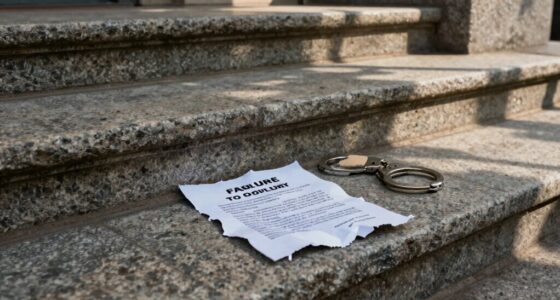
When names are similar or common, it’s easy to mistake one person for another during warrant searches. Without unique identifiers like birth dates or social security numbers, records can be confusing and lead to errors. These mistakes might cause wrongful arrests or missed warrants. Relying only on names isn’t enough for accurate results. If you want to understand how to avoid these pitfalls, keep exploring the key factors that improve record accuracy and verification.
Key Takeaways
- Similar or common names increase the likelihood of confusing individuals during warrant searches.
- Relying solely on names can lead to incorrect matches and mistaken identity.
- Outdated or incomplete records exacerbate errors when names are similar.
- Multiple individuals with similar names may have different warrant statuses, causing oversight.
- Additional identifiers are necessary to accurately distinguish individuals and prevent legal mistakes.
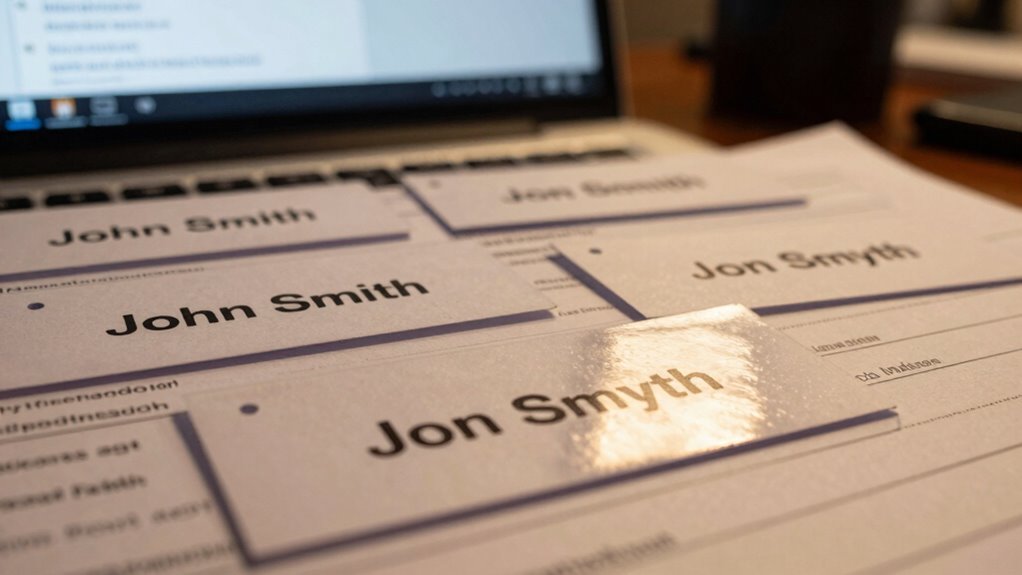
When conducting a warrant search, it’s easy to make mistakes that can lead to inaccurate or incomplete information. One common pitfall is confusing individuals with similar names. Many people share common last names or first names, and without careful attention, it’s easy to mistake one person for another. This is especially problematic because warrant records are highly sensitive and directly impact legal procedures. If you mistake someone for another with a similar name, you might wrongly assume that a warrant exists or doesn’t exist, which can cause serious legal consequences.
Name similarity complicates the process of identity verification, a vital step in ensuring you’re accessing the right records. When you rely solely on a person’s name, you risk matching the wrong individual, especially if the names are common. To avoid this mistake, you need to cross-reference additional details, like birth dates, social security numbers, or physical descriptions. Without these extra identifiers, your search may produce multiple results, making it difficult to determine which record belongs to the person you’re investigating. Additionally, understanding warrant search pitfalls can help you develop more accurate verification methods. Using multiple identifiers is essential because it helps distinguish between individuals with similar names and reduces the risk of errors.
Relying solely on names risks mismatching records; always cross-reference birth dates, SSNs, or physical details.
Legal procedures demand a high level of accuracy, and mistakes stemming from name similarity can undermine that accuracy. If you act on incorrect information, you might arrest the wrong person or dismiss a warrant that actually applies to someone else. This not only jeopardizes the legality of your actions but also damages the integrity of the justice process. Properly verifying identities is essential, and it requires more than just a name. Using multiple identifiers helps guarantee that you’re following the correct legal procedures, minimizing the risk of wrongful arrests or missed warrants.
Another issue with name similarity is the potential for outdated or incomplete records. Sometimes, individuals with similar names may have different warrant statuses—one might have an active warrant, while another’s warrant has already been cleared. Without precise identity verification, you might overlook current warrants or act on expired ones. This can lead to unnecessary legal complications or missed opportunities to apprehend someone who is genuinely wanted. Therefore, regularly updating and cross-checking records with current data is crucial for maintaining accuracy and ensuring proper legal actions. Incorporating up-to-date information from reliable sources helps prevent errors related to outdated records. Additionally, understanding how to interpret record discrepancies can further improve the accuracy of your warrant searches. Being aware of common data errors can also aid in identifying and correcting inaccuracies in warrant records.
warrant record verification software
As an affiliate, we earn on qualifying purchases.
As an affiliate, we earn on qualifying purchases.
Frequently Asked Questions
How Can I Verify the Accuracy of Warrant Search Results?
To verify the accuracy of warrant search results, you should conduct identity verification by cross-checking the information with official records or databases. Always guarantee data accuracy by comparing multiple sources, such as court records or law enforcement databases. Double-check details like birth dates or addresses to prevent errors caused by name similarity. This approach helps you confirm the results are correct and reduces the risk of mistakes during warrant searches.
What Are the Legal Consequences of Mistaken Warrant Searches?
Ironically, mistaken warrant searches can lead you into serious legal liabilities, despite procedural safeguards that aim to prevent such errors. If you act on incorrect warrants, you risk lawsuits, criminal charges, or civil penalties. It’s essential to double-check details and follow proper procedures, or you could face the consequences of violating rights or submitting faulty evidence. Always prioritize accuracy to avoid these costly legal pitfalls.
How Do Courts Handle Cases of Mistaken Identity in Warrant Searches?
Courts handle mistaken identity in warrant searches by examining whether law enforcement had probable cause and followed proper search protocols. If authorities acted without sufficient probable cause or breached search protocols, courts may dismiss evidence or rule in favor of the accused. You should understand that courts prioritize constitutional protections, so if a mistake occurred due to similarity of names or errors, they often scrutinize whether proper procedures were maintained to prevent unwarranted searches.
Are There Technologies to Reduce Name Similarity Errors?
You’ll be interested to know that over 80% of law enforcement agencies now use technology solutions to improve name matching accuracy. These systems use advanced algorithms to distinguish between similar names, considerably reducing warrant search mistakes. By incorporating biometric data, machine learning, and database management tools, technology solutions help guarantee correct identity verification, minimizing errors caused by name similarity. This proactive approach improves justice and law enforcement efficiency.
How Often Do Warrant Search Mistakes Occur Due to Name Similarity?
You often encounter warrant search mistakes caused by name similarity, especially during name matching and identity verification processes. These errors happen frequently, as common names or similar spellings can lead to incorrect matches. Such mistakes can delay justice or misidentify individuals. To minimize this, implement advanced name matching algorithms and thorough identity verification methods, which help distinguish individuals accurately and reduce the risk of errors during warrant searches.

Identity Theft Prevention and Personal Privacy Protection Advanced Roller by Guard Your ID, Purple, Standard
GUARD YOUR ID PASSION: Guard Your ID (GYID) is the ORIGINAL ID roller with our proven patent pattern…
As an affiliate, we earn on qualifying purchases.
As an affiliate, we earn on qualifying purchases.
Conclusion
You now see how name similarities can lead to warrant search mistakes, causing serious consequences. Did you know that approximately 30% of warrant errors are due to mistaken identity? Staying vigilant and double-checking details can save you from unnecessary legal trouble. Don’t underestimate the power of accurate information—your diligence can prevent costly errors and protect your rights. Always verify names carefully to avoid becoming another statistic in mistaken warrant searches.
social security number lookup kit
As an affiliate, we earn on qualifying purchases.
As an affiliate, we earn on qualifying purchases.
birth date and ID cross-reference tools
As an affiliate, we earn on qualifying purchases.
As an affiliate, we earn on qualifying purchases.