

To understand Gen Z’s trust equation, focus on their core values like sustainability and transparency, which matter most. They seek proof through authentic, user-generated content, peer recommendations, and visible brand actions. Platform-native signals such as relatable stories, honest reviews, and shared experiences shape their confidence more than traditional ads. Privacy, ethics, and consistent alignment with their beliefs also build trust. Keep exploring, and you’ll discover how these elements combine to influence their trust in brands and information.
Key Takeaways
- Authenticity and transparency in brand practices build trust by aligning with Gen Z’s core values of honesty and social responsibility.
- Proof through user-generated content, peer recommendations, and real stories acts as credible signals that resonate more than traditional advertising.
- Platform-native signals like TikTok and Instagram amplify genuine UGC and micro-influencers, strengthening emotional and social proof.
- Demonstrating sustainable, ethical practices and open communication reinforces trust and aligns with Gen Z’s environmental and social justice priorities.
- Clear, consistent messaging about values, sourcing, and data privacy fosters emotional connection and long-term confidence among Gen Z consumers.
Understanding Gen Z’s Trust Landscape and Societal Concerns

Understanding Gen Z’s trust landscape reveals a generation deeply skeptical of institutions and driven by a sense of grievance. You see, over half of Gen Z feels moderately or highly upset with how society and institutions respond to current issues. They’re overwhelmed by fear and insecurity, with 72% citing safety as a top concern. Economic worries hit hard, as 37% fear job loss, more than any other generation. Trust in government, business, media, and brands is minimal—only 3% trust Congress greatly, and half trust very little. This widespread distrust stems from perceived failures and inaction. You’re likely aware that Gen Z questions authority and demands accountability, shaping their interactions and expectations from institutions they see as falling short. Recognizing the importance of sustainable living and authentic engagement can help bridge this trust gap. Additionally, their reliance on platform-native signals influences how they evaluate authenticity and credibility in the digital age. Moreover, understanding trust-building strategies tailored to their values can foster meaningful connections and improve confidence in societal institutions. For example, demonstrating accountability and transparency through sustainable practices can resonate strongly with them and foster trust, especially when these practices are communicated through authentic messaging on their preferred platforms.
The Role of Core Values: Sustainability and Transparency

Your audience values sustainability and transparency more than ever, seeing them as essential to trust. When brands openly share their practices and impact, it reinforces authenticity and encourages loyalty. Ultimately, these core values are key to building and maintaining genuine trust with Gen Z. Developing a cultural intelligence enables brands to better understand and adapt to diverse consumer expectations around these values. Incorporating transparency in financial disclosures further solidifies credibility, especially in sectors where trust is paramount. Regularly assessing and organizing information ensures ongoing clarity and honesty in communications, which strengthens consumer confidence. Additionally, understanding horsepower of electric dirt bikes can serve as a metaphor for nurturing brand trust through proper foundations.
Sustainability as Priority
Why does sustainability hold such prominence for Gen Z? Because they see it as essential to shaping a better future. They’re concerned about climate change, resource depletion, and environmental justice, making sustainability a core value in their decisions. You’ll notice that 75% of Gen Z prioritizes sustainable practices over brand fame, and 64% are willing to pay more for eco-friendly products. They actively seek brands that demonstrate genuine commitment rather than greenwashing, and they quickly call out inauthentic efforts on social media. Transparency about sourcing, manufacturing, and environmental impact isn’t optional—it’s expected. For Gen Z, trust hinges on consistent actions aligned with sustainability values, making it a foundational principle in their relationship with brands and companies. Moreover, their preference for platform-native signals emphasizes the importance of authentic and accessible communication channels in establishing trust.
Authenticity Through Transparency
Authenticity for Gen Z is rooted in transparency, as they expect brands to openly share their core values, practices, and impacts. They want to see honesty in every interaction, trusting that what they’re told aligns with reality. When brands are transparent, they demonstrate integrity and respect, which builds emotional connections. If you hide information or spin stories, you risk losing their trust entirely.
- Feel the genuine commitment when brands admit mistakes and share lessons learned.
- Experience pride when companies openly showcase sustainable practices and environmental efforts.
- Feel reassured by clear, consistent communication about product origins and ethical standards.
Transparency isn’t just a tactic; it’s an essential expression of authenticity that resonates deeply with Gen Z’s desire for honesty and social responsibility.
Impact on Trust Building
When brands embrace transparency and openly share their core values, they lay the groundwork for building genuine trust with Gen Z. By demonstrating authentic commitment to sustainability and honesty, you show you align with their beliefs. This approach helps overcome skepticism rooted in institutional distrust. Trust is reinforced when your actions match your words, especially on social media and peer networks. Consider this table:
| Core Value | Trust Impact | Key Action |
|---|---|---|
| Sustainability | Builds credibility | Share sourcing stories |
| Transparency | Fosters loyalty | Disclose manufacturing practices |
| Social Responsibility | Strengthens bonds | Support social causes |
| Authenticity | Enhances reputation | Communicate honestly |
Focusing on these values creates a transparent environment where trust can flourish. For Gen Z, values aren’t just ideals—they’re proof of your integrity.
Trust in Technology: Privacy, Ethical Use, and Data Sharing

Gen Z is tech-savvy and values digital innovation, but they approach privacy and data sharing with caution. They want personalized experiences but demand transparency about how their data is used. If a brand isn’t clear about its privacy policies or misuses information, trust erodes quickly. You need to show consistent ethical practices—fair AI, environmental responsibility, and honest communication—to earn their confidence. Additionally, understanding Mazda Tuning can help brands appreciate the importance of precise customization and authenticity, which resonates with Gen Z’s desire for genuine and tailored interactions. Recognizing the significance of performance tuning in automotive customization further demonstrates a brand’s commitment to quality and genuine engagement. As cyber threats become more sophisticated, implementing AI Security Technologies ensures the protection of user data and maintains trust. Developing a strong foundation in creative practice can also support brands in fostering innovative and authentic connections with their audience, which is crucial for building trust.
The Power of Authentic Content: User-Generated and Peer Recommendations
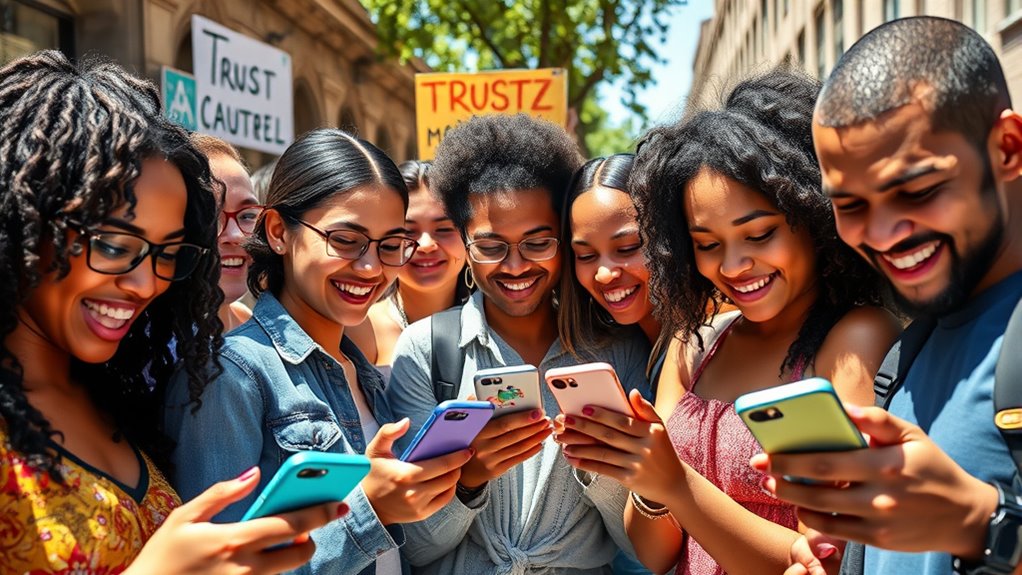
User-generated content and peer recommendations hold more sway with Gen Z than traditional advertising because they’re seen as genuine and relatable. You trust your friends and real users more than polished ads, valuing their honest experiences. You seek real stories, not polished sales pitches, which shapes your trust in brands. This authenticity makes peer voices powerful signals of trustworthiness. Platforms like TikTok and Instagram amplify UGC, reinforcing social proof. Micro-influencers also resonate more, as their recommendations feel personal and credible. To visualize:
| Content Type | Impact on Trust |
|---|---|
| User-Generated Content | Seen as authentic and relatable |
| Peer Recommendations | Increase credibility and engagement |
| Micro-Influencers | More trusted than celebrities |
Additionally, the rising popularity of animated movies that touch hearts demonstrates how emotional storytelling can deepen connections and build trust with audiences. Recognizing the influence of platform-native signals like platform-specific features and trends further emphasizes the importance of authentic content, especially when they showcase genuine user experiences. This aligns with the understanding that asset division in contexts like divorce relies heavily on authentic documentation and transparent communication to ensure fair outcomes. Moreover, the increasing interest in alternative investments like Gold IRAs highlights how authenticity and trust are vital in decision-making processes.
Influencer Dynamics: Micro-Influencers vs. Traditional Celebrities

Micro-influencers are reshaping how trust is built online, often outperforming traditional celebrities in influencing Gen Z. You’re more likely to connect with someone who seems real, relatable, and invested in your interests. They share authentic stories, making their recommendations feel personal and trustworthy. Unlike distant celebrities, micro-influencers foster genuine relationships, earning your loyalty through transparency and consistency. Additionally, their safety of electric heated mattress pads emphasis on honesty about product performance further enhances their credibility. Their relatability and perceived honesty make them more impactful, transforming how you discover and trust new brands and ideas. Micro-influencers aren’t just voices; they’re your peers shaping your perceptions.
Navigating Misinformation and Building Confidence in Truth

In a digital world flooded with information, distinguishing fact from fiction has become a critical skill for steering trust. You need to develop tools and strategies to verify sources quickly and confidently. Look for content that’s transparent about its origins and supported by credible evidence. Cross-check facts across multiple platforms and rely on trusted, peer-reviewed sources. Recognize that misinformation spreads rapidly through social media, often disguised as authentic. Engage with content critically, questioning biases and motives behind each message. Building confidence in truth requires you to be an active participant, not a passive consumer. By prioritizing transparency, fact-checking, and skepticism of sensationalism, you can navigate the digital landscape more safely and foster trust in the information you rely on daily.
Expectations From Employers: Learning, Growth, and Work Environment

You want to see your employer invest in your skills and provide clear paths for advancement. A supportive work culture that values your growth and well-being isn’t just a bonus—it’s expected. When employers prioritize learning opportunities and a positive environment, trust and loyalty naturally follow.
Emphasis on Skill Development
Employers must recognize that Gen Z values skill development and continuous learning as key factors in building trust. You can earn their confidence by providing meaningful growth opportunities that align with their desire for personal and professional progress. When you invest in their development, you show commitment to their future beyond just a paycheck.
- Witness their confidence grow as they master new skills and take on challenges.
- Feel the connection deepen when you support their learning journey, fostering loyalty.
- Experience the motivation surge that comes from knowing their growth is valued and prioritized.
Supportive Work Culture
A supportive work culture that prioritizes learning and growth is essential for earning Gen Z’s trust. You need to foster an environment where employees feel safe to experiment, ask questions, and develop new skills without fear of failure. Providing regular feedback, mentorship, and opportunities for upskilling shows your commitment to their development. Gen Z values workplaces that invest in their long-term success, not just immediate productivity. They want to see a culture that encourages collaboration, transparency, and psychological safety. When you actively support their learning journey and demonstrate genuine concern for their growth, you build credibility and loyalty. Ultimately, a work environment that champions continuous improvement and respects individual needs helps you earn and sustain Gen Z’s trust.
Opportunities for Advancement
Gen Z expects more than just a paycheck; they look for meaningful opportunities to learn and grow within their workplace. They want to develop skills that matter and see clear paths for progress. If you want to earn their trust, show genuine investment in their growth. Provide access to training, mentorship, and new challenges that push them beyond their comfort zones. When you prioritize their development, you demonstrate respect and commitment, strengthening loyalty.
- Invest in their skills and future, not just today’s tasks.
- Create a culture that values continuous learning and feedback.
- Offer opportunities for internal mobility and leadership development.
Identity Formation and the Impact of Social Responsibility

Because social responsibility is central to their identity, Gen Z actively shapes who they are through the values they uphold and the causes they support. They view authenticity and impact as essential to trust and self-expression. This drive influences their choices, from brands they endorse to social movements they join. Their identity evolves through a critical lens, balancing digital influences with real-world integrity. They seek transparency, holding institutions accountable and expecting genuine commitments. To deepen understanding, consider this table:
| Values | Actions | Impact |
|---|---|---|
| Sustainability | Supporting eco-friendly brands | Reinforces eco-conscious identity |
| Transparency | Demanding clear info | Builds trust through honesty |
| Social Justice | Participating in activism | Shapes a socially responsible persona |
| Ethical Tech | Advocating fair AI use | Ensures tech aligns with values |
| Community | Engaging peer networks | Fosters collective empowerment |
Strategies for Building and Sustaining Trust With Gen Z

Building and maintaining trust with Gen Z requires brands to demonstrate authenticity and transparency at every touchpoint. You must show you’re genuinely committed to your values, openly share your processes, and listen actively to their concerns. To evoke emotion, consider these strategies:
- Share behind-the-scenes stories that reveal your honest journey and challenges.
- Highlight real experiences from diverse customers or employees to foster relatability.
- Respond promptly and sincerely to feedback, especially on social media, to build credibility.
Frequently Asked Questions
How Does Gen Z’s Distrust Influence Their Purchasing and Brand Loyalty?
Your distrust makes you scrutinize brands more carefully before buying, often leading you to prioritize authenticity and transparency. You’re likely to support brands that align with your values, especially sustainability, and avoid those with greenwashing or unclear practices. Because trust is earned through consistent actions, you’re less loyal and more willing to switch brands if your expectations aren’t met. Social media and peer opinions heavily influence your purchasing decisions, reinforcing your cautious approach.
What Specific Actions Can Brands Take to Demonstrate Authenticity to Gen Z?
Think of authenticity as planting a seed—you need consistent care to see it grow. To prove your sincerity to Gen Z, you should be transparent about your practices, share real stories from your community, and actively listen to their feedback. Avoid greenwashing or superficial gestures. Instead, demonstrate genuine values through your actions, not just words, and foster real connections that show you’re committed to their concerns and beliefs.
How Do Peer Recommendations Outweigh Traditional Advertising in Trust-Building?
Peer recommendations outweigh traditional advertising because you trust people like friends and micro-influencers more than brands. They seem genuine and relatable, providing honest insights without the sales pitch. You value authentic experiences shared by your peers, which feel more credible and less biased. When someone you trust endorses a product or service, you’re more likely to regard it, making peer signals powerful in shaping your trust and buying decisions.
In What Ways Do Social Platforms Accelerate Trust or Distrust Among Gen Z?
Have you ever wondered how social platforms shape trust for Gen Z? They accelerate trust by enabling real-time peer interactions, making authentic user-generated content more influential than traditional ads. Micro-influencers and peer reviews create relatable signals, fostering loyalty. But beware: misinformation spreads quickly, risking distrust. Your brand’s transparency, consistent actions, and engagement on these platforms determine whether trust builds or erodes among this digitally savvy generation.
How Can Employers Effectively Support Gen Z’s Learning and Development Needs?
You can support Gen Z’s learning and development by offering clear growth opportunities, emphasizing skill-building, and providing ongoing feedback. Show genuine investment in their career paths, prioritize work-life balance, and create a culture that values transparency and authenticity. Encourage peer collaboration, utilize digital tools for personalized learning, and demonstrate your commitment through actions. When they see your support, their trust and loyalty will grow, motivating them to thrive professionally.
Conclusion
To earn Gen Z’s trust, you need to be authentic, transparent, and aligned with their values like sustainability and social responsibility. They seek proof through peer recommendations and genuine content, not just polished marketing. Trust isn’t given freely; it’s built through consistent actions, honest communication, and understanding their desire for ethical technology and meaningful connections. When you prioritize these elements, trust becomes a natural rhythm that keeps your relationship with Gen Z authentic and lasting.