

Synthetic identity fraud is a growing threat that banks fear most because criminals combine real and false info to craft identities that slip past traditional detection techniques. These fake profiles can stay hidden for months, enabling criminals to open accounts, take loans, and build credit in your name without your knowledge. As this scam evolves, banks must adopt smarter detection methods. If you want to find out how this fraud impacts you and what’s being done to fight it, keep exploring.
Key Takeaways
- Synthetic identity fraud involves creating fake identities using real and false information, making detection challenging for banks.
- Criminals exploit these identities to open accounts, leading to financial losses and credit damage for consumers and institutions.
- Advanced machine learning and multi-source verification are vital tools for banks to identify and prevent synthetic fraud.
- Consumers can help by regularly monitoring credit reports and using alerts to detect suspicious activity early.
- A combined effort of technological innovation and consumer vigilance is essential to combat this growing threat.

Synthetic identity fraud is a growing threat that targets financial institutions and consumers alike. It involves criminals creating fake identities by combining real and false information, making it difficult for traditional detection methods to spot the deception. These fraudsters often use stolen Social Security numbers along with invented names, addresses, and dates of birth to build a seemingly legitimate profile. Once established, they can apply for credit, loans, or other financial products, accumulating debt that’s difficult to trace back to them. The complexity of these fake identities means they can go unnoticed for months or even years, causing significant financial losses and damaging credit histories. Additionally, the use of advanced fraud detection techniques helps financial institutions identify suspicious activity more effectively.
Synthetic identity fraud creates fake profiles that can go unnoticed for years, causing financial loss and credit damage.
As a consumer, you might not even realize you’re a target until it’s too late. Criminals often use stolen or synthetic identities to open accounts in your name, which can result in your credit score being unfairly impacted. To combat this, credit monitoring becomes an essential tool. Regularly checking your credit reports can help you catch suspicious activity early, such as unfamiliar accounts or inquiries. Many credit monitoring services now offer real-time alerts, so you’re immediately notified if something unusual happens. Staying vigilant with your credit reports is one of the most effective ways to detect synthetic identity fraud early, before it causes irreversible damage.
For financial institutions, preventing synthetic identity fraud demands a proactive approach. Relying solely on traditional credit checks isn’t enough anymore because these identities are often constructed with genuine information. Instead, banks and lenders are turning to advanced fraud prevention techniques. These include machine learning algorithms that analyze patterns and behaviors typical of synthetic identities, as well as verification processes that cross-reference multiple data sources for consistency. Implementing multi-factor authentication and real-time identity verification can also help weed out fraudulent applications before accounts are opened. Combining technology with stringent internal controls is key to staying ahead of increasingly sophisticated fraud schemes.
Ultimately, combating synthetic identity fraud requires a combination of technological innovation and consumer awareness. You should stay proactive by regularly reviewing your credit reports and using credit monitoring services that offer fraud alerts. At the same time, financial institutions must invest in smarter fraud prevention systems that can detect subtle anomalies indicative of synthetic identities. Both efforts work together to create a stronger defense against this evolving threat, safeguarding your financial well-being and maintaining the integrity of the banking system. By staying informed and vigilant, you can better protect yourself from falling victim to synthetic identity fraud and help prevent these scams from spreading further.

Room Alert 12S – 12-Sensor Capacity Proactive Environment Monitor with Real-Time Alerts & Enterprise Security – Made in USA
Versatile Monitoring: Track temperature, humidity, power, water leaks, and up to 8 other environmental factors based on the…
As an affiliate, we earn on qualifying purchases.
As an affiliate, we earn on qualifying purchases.
Frequently Asked Questions
How Can Consumers Protect Themselves From Synthetic Identity Fraud?
To protect yourself from synthetic identity fraud, stay vigilant with your financial activities. Regularly review your credit reports and use credit monitoring services to catch suspicious activity early. Be cautious when sharing personal information online, and guarantee your identity verification processes are secure. By actively monitoring your credit and safeguarding your details, you reduce the risk of fraudsters creating fake identities in your name. Stay alert and proactive to keep your financial identity safe.
What Are the Signs That a Synthetic Identity Has Been Used?
Imagine catching a whisper of trouble early. If you notice inconsistencies during identity verification, like mismatched details or unfamiliar addresses, it might be a sign. Watch for unusual activity on your accounts or unexpected requests for personal info. These fraud indicators can hint at synthetic identity use. Stay alert, verify all details carefully, and trust your instincts—catching subtle signs helps protect you from fraud.
How Do Banks Detect Synthetic Identities During Onboarding?
When you’re onboarding new customers, banks use biometric verification to confirm identities and guarantee they match official records. They also rely on machine learning detection algorithms that analyze patterns and flag anomalies that might indicate synthetic identities. By combining biometric checks with advanced analytics, banks can spot suspicious activity early, preventing fraud before it happens. This proactive approach helps protect both the bank and its customers from potential financial crimes.
What Legal Actions Can Victims Take Against Synthetic Identity Fraud?
If you’re a victim of synthetic identity fraud, you can pursue legal remedies by filing a police report and disputing fraudulent accounts with credit bureaus. Consumer advocacy groups can help you navigate the process, ensuring your rights are protected. You might also consider consulting a lawyer to explore civil actions or reporting the fraud to federal agencies. Taking these steps can help you recover losses and prevent future fraud.
Are There Specific Industries More Vulnerable to This Type of Fraud?
Think of industries as open doors, inviting trouble inside. Healthcare vulnerabilities make it easier for fraudsters to exploit personal data, while retail susceptibility offers a treasure trove of credit info. You should be aware that these sectors are prime targets for synthetic identity fraud. Protect your information diligently, because when these industries are compromised, it’s like opening a floodgate of financial chaos for everyone involved.

McAfee Privacy & Identity Guardian 1-User 2026 | Cybersecurity Software for Personal Data Protection from Identity Theft with AI Text Scam Detection | 1-Year Subscription with Auto-Renewal | Download
PERSONAL DATA PROTECTION – Experience essential protection for your info and privacy with McAfee antivirus software, helping stop…
As an affiliate, we earn on qualifying purchases.
As an affiliate, we earn on qualifying purchases.
Conclusion
Synthetic identity fraud is a growing threat that can slip through your defenses like a shadow in the night. By understanding how scammers craft fake identities, you can better protect your bank and customers. Stay vigilant, implement strong verification methods, and don’t let these fraudsters catch you off guard. Think of it like locking every door—only then can you confidently keep your financial house safe from these sneaky intruders.
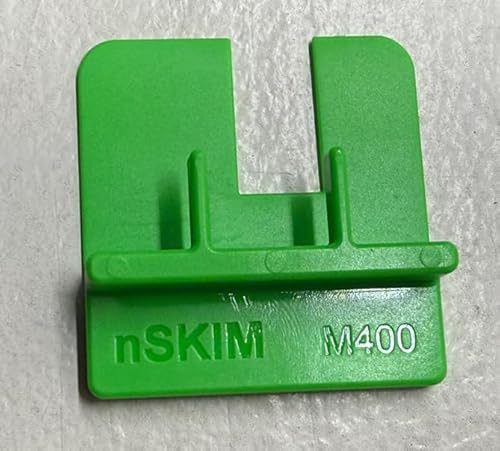
NSKIM M400 Credit Card Skimmer Detection Tool, Compatible with VeriFone M400 / M440 Credit Card Terminal
COMPATIBILITY: Works with multiple credit card terminal models including VeriFone M400 & M440 stationary terminals
As an affiliate, we earn on qualifying purchases.
As an affiliate, we earn on qualifying purchases.

Yubico – YubiKey 5C NFC – Multi-Factor authentication (MFA) Security Key and passkey, Connect via USB-C or NFC, FIDO Certified – Protect Your Online Accounts
POWERFUL SECURITY KEY: The YubiKey 5C NFC is the most versatile physical passkey, protecting your digital life from…
As an affiliate, we earn on qualifying purchases.
As an affiliate, we earn on qualifying purchases.