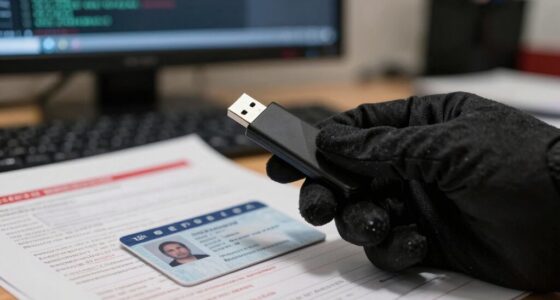

Family members often spot identity theft first when they notice unusual activity on bank statements or credit reports, like unfamiliar accounts or unauthorized charges. Overdue bills or notices from creditors about accounts they didn’t open can raise alarms. They might also see a sudden drop in credit scores or receive alerts from financial institutions. Recognizing these early warning signs can be unsettling, but understanding the common indicators can help you respond effectively. Stay with us to learn more.
Key Takeaways
- Family members notice unexplained charges or new accounts on bank statements or credit reports.
- Overdue or unpaid bills appear unexpectedly, signaling possible identity misuse.
- Sudden decline in a loved one’s credit score raises suspicions of identity theft.
- Unfamiliar notices from creditors about accounts the family did not recognize.
- Emotional reactions like confusion or concern prompt family members to investigate further.

When family members uncover signs of identity theft, it can be a shocking and confusing experience. You might notice unusual activity on bank statements or credit reports, which serve as the first clues—those financial red flags that indicate something isn’t right. Perhaps bills are overdue, or you receive notices from creditors about accounts you don’t recognize. These signs often come unexpectedly, and they shake your sense of security. It’s natural to feel overwhelmed by the sudden realization that someone has stolen your loved one’s identity. The emotional impact can be profound, leaving you anxious, angry, or helpless as you grapple with the betrayal. You may worry about the long-term consequences and whether you can fix the damage. These feelings are valid and common, especially when you consider how personal and invasive identity theft is.
Discovering identity theft is shocking and overwhelming, but quick action can help protect your loved one’s financial and emotional well-being.
As you dig deeper into these financial red flags, you might find additional evidence—unauthorized charges, new accounts opened without permission, or a decline in credit scores. These issues can escalate quickly, causing further distress for your family. Your immediate concern becomes protecting your loved one’s financial future, but the emotional toll often weighs just as heavily. Watching someone you care about suffer from the fallout of identity theft can cause feelings of guilt or frustration—wondering if you could have caught it sooner or done something differently. The emotional impact can be intense, making it hard to focus on the practical steps needed to resolve the problem. Recognizing the importance of credit monitoring can be a crucial step in preventing further damage. Being aware of privacy policies and how your information is protected can also empower you to take more informed actions. Additionally, understanding the brand reputation of financial institutions can help you gauge their reliability and responsiveness during a crisis. It can also be beneficial to educate yourself about natural pool design principles for a holistic approach to security, as they emphasize authenticity and trustworthy practices.
Understanding traditional Indonesian home decor principles can also serve as a reminder of the importance of authenticity and cultural significance, which can be comforting during stressful times. You may also face the challenge of breaking the news to your loved one, which can be difficult. You want to be supportive, but you’re also aware of how vulnerable they might feel. The stress of dealing with creditors, credit bureaus, and law enforcement adds to the emotional strain. It’s important to remember that discovering identity theft first doesn’t mean you’ve failed; rather, it shows your vigilance. Acting quickly can significantly limit the damage, but the emotional toll remains a reality. It’s natural to feel upset or powerless, but knowing that you’re taking steps to address the situation helps. Reaching out for help, whether from financial institutions, law enforcement, or victim support services, can ease some of that burden.
Ultimately, recognizing the signs early on and responding swiftly helps protect your loved one’s financial health and mental well-being. While the emotional impact can be heavy, your proactive approach and support can make a meaningful difference in overcoming this difficult experience.

McAfee Privacy & Identity Guardian 1-User 2026 | Cybersecurity Software for Personal Data Protection from Identity Theft with AI Text Scam Detection | 1-Year Subscription with Auto-Renewal | Download
PERSONAL DATA PROTECTION – Experience essential protection for your info and privacy with McAfee antivirus software, helping stop…
As an affiliate, we earn on qualifying purchases.
As an affiliate, we earn on qualifying purchases.
Frequently Asked Questions
How Can Family Members Detect Subtle Signs of Identity Theft Early?
You can detect subtle signs of identity theft early by monitoring your credit reports regularly through credit monitoring services. Keep an eye out for unfamiliar accounts or discrepancies. Also, set up fraud alerts with credit bureaus; these notify you of suspicious activity. If you notice anything unusual, act quickly by contacting your bank and credit agencies. Early detection helps prevent further damage and safeguards your financial identity.
What Emotional Reactions Do Family Members Typically Experience Upon Discovering Identity Theft?
Discovering identity theft feels like being hit by a hurricane of emotional trauma, overwhelming your senses. You might experience intense family anxiety, fear, and betrayal, questioning trust and safety. Shock and frustration can dominate your thoughts, leaving you emotionally drained. These reactions are natural, as you grapple with the violation of personal boundaries and security. Remember, acknowledging these feelings is the first step toward healing and taking action to protect your loved ones.
Are There Specific Age Groups More Likely to Notice Identity Theft First?
You’re more likely to notice identity theft first if you’re a senior or a teen. Seniors tend to be vigilant due to frequent financial transactions and awareness of scams, while teens might spot unusual activity on their social media or online accounts. Both groups often have heightened awareness—seniors through experience and caution, teens through tech-savviness—that helps them detect signs of identity theft early.
How Do Family Members Verify the Legitimacy of Suspicious Financial Activity?
If you notice unfamiliar charges on a loved one’s bank statement, verify their legitimacy by checking financial safeguards like account alerts and transaction histories. Call the bank directly using official contact info to confirm suspicious activity, rather than relying on email links. For example, a family member detected a privacy breach when unexpected withdrawals appeared. Staying vigilant, questioning odd transactions, and enhancing financial safeguards help prevent further damage and confirm if activity is legitimate.
What Steps Should Family Members Take Immediately After Discovering Identity Theft?
Immediately, you should contact your bank and credit card companies to report the financial fraud, preventing further unauthorized activity. Place a fraud alert on your credit reports and consider credit monitoring services to track any suspicious activity. File a police report to document the theft, and report the crime to the Federal Trade Commission. Taking these steps quickly helps protect your identity and limits damage from the theft.

Guard Your ID Advanced 2.0 Roller 3-Pack for Identity Theft Protection, Confidential Security Stamp Mixed Color Kit (Turquoise, Green, White)
Robust Identity Theft Protection: Shields personal information; effectively masks sensitive data to prevent identity theft
As an affiliate, we earn on qualifying purchases.
As an affiliate, we earn on qualifying purchases.
Conclusion
Sometimes, your loved ones might be the first to notice when something’s amiss—like a distant cousin who quietly spots unusual activity or a sibling who notices unfamiliar charges. These gentle alerts are like subtle whispers guiding you back on track. Trust their keen eyes and caring hearts; they’re often your first line of defense. When they gently point out the small irregularities, it’s your cue to step in and restore peace to your financial household.

Friday Night Blues
As an affiliate, we earn on qualifying purchases.
As an affiliate, we earn on qualifying purchases.
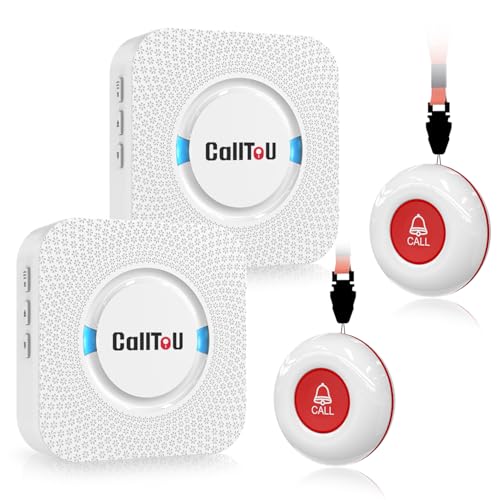
CallToU Wireless Caregiver Pager Smart Call System 2 SOS Call Buttons/Transmitters 2 Receivers Nurse Calling Alert Patient Help System for Home/Personal Attention Pager 500+Feet Plugin Receiver
[ Wireless Guard ] 2 Receiver 2 Call Button. Allow caregivers and residents to be free while ensuring…
As an affiliate, we earn on qualifying purchases.
As an affiliate, we earn on qualifying purchases.