
To protect your fingerprints and facial IDs, you should prioritize companies that use strong encryption, secure storage, and clear privacy policies. Be cautious of how your biometric data is collected, stored, and shared. Stay informed about laws like BIPA and other regulations that require consent and transparency. While privacy concerns grow, understanding these safeguards helps you make smarter choices. Keep exploring to find out more about how your biometric information can be better protected.
Key Takeaways
- Implement strong encryption and secure storage protocols to protect biometric data from theft and unauthorized access.
- Obtain informed consent from users before collecting or using fingerprints and facial IDs, ensuring transparency.
- Limit access to biometric data to authorized personnel and enforce multi-factor authentication for added security.
- Establish clear data retention policies, including regular deletion of outdated or unnecessary biometric information.
- Stay compliant with legal regulations like BIPA and regularly audit security measures to prevent data breaches and misuse.

Windows Hello Fingerprint Reader for Windows 11 10, Offline Physical Security Vault for PC, USB Biometric Fingerprint Scanner, 360° Touch Secure Login & Data Encryption Device for Laptop Sliver
🔐 【Offline Physical Vault: Zero Cloud, Zero Risk】 Secure your digital life with this windows hello fingerprint reader…
As an affiliate, we earn on qualifying purchases.
As an affiliate, we earn on qualifying purchases.
The Growing Adoption of Biometric Authentication
The adoption of biometric authentication is rapidly expanding as more consumers and industries embrace its convenience and security benefits. You’ve probably noticed this shift with the widespread use of facial recognition in smartphones—over 81% of devices now feature biometric options. In 2020, about 671 million people used facial biometrics for payments, and that number is expected to double by 2025. The biometrics market itself is projected to reach nearly $55 billion, driven by the demand for automated identity verification. People increasingly prefer biometrics over traditional passwords; 72% favor facial recognition for secure online transactions. This growth isn’t just limited to mobile devices—many sectors like finance, retail, and healthcare are adopting biometrics to streamline authentication and reduce fraud, making biometric authentication a central part of modern security. Incorporating privacy considerations is essential as biometric data is highly sensitive and requires robust protection measures. As biometric data becomes more widely used, understanding data security practices is crucial to prevent breaches and protect individual identities, especially since necessary cookies are often employed to enhance biometric verification processes without compromising privacy. Additionally, advancements in biometric encryption techniques can further safeguard sensitive information from potential cyber threats.

Handbook of Biometric Template Protection: Motivation, Methods and Metrics
As an affiliate, we earn on qualifying purchases.
As an affiliate, we earn on qualifying purchases.
Consumer Trust and Privacy Concerns in Biometrics

As biometric technologies become more widespread, consumers’ trust in how companies handle their data has markedly declined. Only 5% of consumers in 2024 trust companies to protect biometric data, down from 28% in 2022. Concerns about AI, data privacy, and misuse grow, with over half worrying about storage and malicious use. This erosion of trust affects adoption, especially in retail and attendance scenarios. To understand the landscape better, consider this table:
| Concern | Percentage of Consumers | Impact on Trust |
|---|---|---|
| Privacy in storage | 53% | Reduced confidence |
| Data misuse | 50% | Increased fear of impersonation |
| AI-generated spoofing | 49% | Verification challenges |
| Data breaches | 57% | Long-term security fears |
| Regulatory awareness | 45% | Desire for stricter controls |
Addressing these concerns is key to restoring trust and ensuring responsible biometric use. Additionally, understanding the importance of Ethical Hacking can help organizations identify vulnerabilities and improve their security measures to better protect biometric data. Recognizing the security challenges associated with biometric systems is crucial for developing effective safeguards and policies. In particular, the inherent privacy risks linked to biometric identifiers highlight the need for robust data protection strategies.
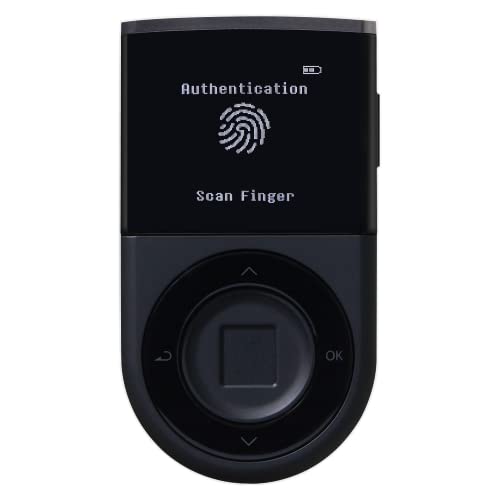
D'CENT Hardware Wallet – Biometric Cold Wallet for Crypto with Fingerprint Authentication | Secure Bluetooth Storage for Bitcoin, Ethereum, XRP, XDC, Solana, Stablecoins & More
UNMATCHED SECURITY WITH BIOMETRIC PROTECTION – Protect your crypto with certified EAL5+ Secure Element chip and advanced fingerprint…
As an affiliate, we earn on qualifying purchases.
As an affiliate, we earn on qualifying purchases.
Legal Protections and Regulatory Frameworks for Biometric Data
Growing concerns about consumer trust and privacy have prompted governments to implement legal protections and regulatory frameworks for biometric data. You’ll find laws like Illinois’ Biometric Information Privacy Act (BIPA) requiring informed consent before collecting biometric data. Washington state mandates advance notice and consent for commercial use, while Colorado’s 2024 law enforces data retention, security protocols, and timely deletion. All US states have data breach notification laws applicable to biometric information, ensuring transparency if breaches occur. Amendments to BIPA now count multiple violations as a single offense, limiting damages. These regulations aim to balance innovation with privacy, holding organizations accountable. They also set standards for data handling, security, and user rights, helping you feel more protected as biometric technology becomes more widespread. Implementing effective storage solutions is crucial for safeguarding sensitive biometric data from unauthorized access. Additionally, regulatory compliance ensures organizations adhere to these standards, reducing the risk of legal penalties. Staying informed about biometric data regulations can empower consumers to advocate for stronger privacy protections and better data management practices. Moreover, understanding the role of technological safeguards can help prevent cyber threats and unauthorized data exploitation, further enhancing security measures. Furthermore, ongoing technological advancements highlight the importance of staying updated on AI security measures to prevent misuse and cyber threats.

XYBkey Complete Biometric Fingerprint Security Access Control System Kit, RFID T9 Keypad Door Lock, Time and Attendance System, Smart Remote Door Opener, 600-Pound Electromagnetic Lock, Doorbell
Strong 280KG Magnetic Lock – The magnetic lock has a strong holding force of 600 pounds, which can…
As an affiliate, we earn on qualifying purchases.
As an affiliate, we earn on qualifying purchases.
Security Risks and Challenges of Data Breaches
You need to understand that biometric data breaches pose serious long-term security risks because unlike passwords, biometric identifiers can’t be reset. These vulnerabilities often happen because policies and protections lag behind the rapid development of biometric technologies. As cybercriminals become more sophisticated, organizations must prioritize strong encryption and secure storage to prevent misuse of sensitive biometric information. Additionally, best security practices can provide insights into the latest security standards and best practices for protecting biometric data. Implementing security standards can help mitigate these risks by establishing consistent protocols for data privacy and protection. Furthermore, understanding the Gold IRA landscape emphasizes the importance of safeguarding valuable assets through vetted and transparent custodians to prevent financial scams. Recognizing the importance of natural environments in outdoor activities highlights the need for proper data protection measures to ensure secure handling of sensitive biometric information.
Data Breach Vulnerabilities
Biometric data breach vulnerabilities pose a significant security challenge because these identifiers cannot be easily changed or revoked like passwords. If compromised, your biometric info is permanently exposed, increasing long-term risks. To understand this better:
- Attackers exploit weak storage systems, stealing biometric templates that can be misused.
- AI-driven spoofing and deepfake techniques create false biometric matches, bypassing security.
- Insufficient encryption makes biometric data vulnerable during transmission and storage.
- The vetted quality of biometric data management practices is crucial to prevent unauthorized access and ensure data integrity. Additionally, ongoing advancements in biometric security protocols are necessary to address evolving threats.
- The development of AI security measures tailored to biometric systems is vital to detect and prevent increasingly sophisticated attacks.
These vulnerabilities mean a breach can lead to identity theft, fraud, and privacy violations. Unlike passwords, you can’t simply reset your fingerprint or face ID. Consequently, deploying strong encryption, multi-factor authentication, and continuous security monitoring is essential to mitigate these risks.
Long-Term Security Risks
Long-term security risks associated with biometric data breaches pose a serious threat because, unlike passwords, biometric identifiers cannot be changed or revoked once compromised. If hackers access your fingerprints or facial IDs, those traits can be used repeatedly without your knowledge. This creates a permanent vulnerability, leaving you exposed to identity theft and fraud for years. As biometric data is stored and shared across multiple platforms, a single breach can have widespread, lasting consequences. Threat actors are also increasingly using AI to create sophisticated spoofing and deepfake attacks, making verification even more challenging. Without proper encryption and secure storage protocols, your biometric information remains at risk of misuse. Additionally, the inability to modify biometric data means that any breach could potentially lead to permanent security issues, underscoring the need for ongoing vigilance, strong regulations, and advanced security measures to mitigate these long-term threats. Moreover, implementing secure storage protocols can significantly reduce the risk of long-term data breaches and protect your sensitive information from evolving cyber threats.
Ethical and Technical Hurdles in Biometric Systems
Ethical and technical challenges considerably hinder the widespread adoption of biometric systems. You face issues like misidentification, demographic bias, and privacy violations. To understand better:
- Bias and Accuracy: Biometric systems may misidentify individuals, especially those from underrepresented groups, leading to unfair treatment.
- Security Concerns: Deepfake and AI-generated spoofing threaten verification accuracy, making fake biometrics harder to detect.
- Privacy Violations: Ethical questions arise around data collection limits, transparency, and potential misuse, raising concerns about consent and surveillance.
These hurdles impact user trust and fairness, making it essential to develop more inclusive, secure, and transparent systems. Overcoming them is vital for wider acceptance and responsible deployment of biometric technologies.
Impact of Biometrics on User Behavior and Industries
As you use biometric systems more often, your authentication habits shift toward quicker, more seamless methods, reducing reliance on passwords. Industries like finance, retail, and mobile tech are adopting these technologies rapidly to meet demand for fast, secure verification. However, this convenience often comes with tradeoffs, as many users accept privacy risks to enjoy easier access.
Changing Authentication Habits
Biometric authentication has profoundly transformed how people access services and secure their identities, leading to noticeable shifts in user behavior across industries. You now rely more on fingerprint scans and facial recognition instead of passwords. This change impacts your habits and expectations in several ways:
- You prefer quick, contactless access, reducing wait times and frustration.
- You’re more willing to trust biometric systems for sensitive transactions, believing they’re more secure.
- You’re increasingly aware of privacy concerns, balancing convenience with data protection.
As industries adapt, they’re streamlining processes with biometric solutions, making authentication faster and easier. However, this shift also raises privacy questions, prompting you to reconsider the level of personal data you’re comfortable sharing. Your habits are evolving alongside technological advancements.
Industry Adoption Trends
The adoption of biometric technologies is rapidly transforming industries by streamlining authentication processes and enhancing security. You’ll notice businesses in finance, retail, and mobile sectors embracing biometrics to provide faster, more secure transactions. This shift helps reduce password fatigue and fraud, improving user experience. As a result, more consumers prefer facial recognition over traditional methods, boosting industry growth. However, widespread adoption also raises privacy concerns, prompting regulations that influence implementation. Companies are balancing convenience with ethical practices, especially when collecting employee or customer biometric data. Market projections show the biometric industry reaching nearly $55 billion by 2025, driven by the need for quick, reliable identity verification. Overall, biometrics are reshaping industry standards, emphasizing security, efficiency, and the importance of responsible data management.
Privacy Tradeoffs
Adopting biometric technologies often forces you and industries to weigh convenience against privacy. You enjoy faster, seamless access, but at the cost of sharing sensitive data. This tradeoff impacts behavior and business practices:
- You might accept less privacy for easier authentication, with 61% willing to trade privacy for convenience.
- Industries, like finance and retail, benefit from reduced fraud and streamlined services but face increased scrutiny and regulation.
- Concerns grow as awareness rises—only 5% of consumers trust companies to protect biometric data, leading to hesitations and stricter policies.
This balance influences user acceptance, shaping how industries innovate while steering through privacy risks. As awareness heightens, the desire for convenience must align with stronger privacy protections to sustain adoption.
Strategies for Safeguarding Biometric Information
To effectively safeguard biometric information, organizations must implement a combination of advanced technical measures and clear policies. You should use encryption, secure storage, and regular audits to protect data from breaches. Establish transparent consent processes, informing users how their data is used and stored. Limit access to authorized personnel and adopt multi-factor authentication. Additionally, enforce strict data retention and deletion policies. Consider the emotional impact of breaches and demonstrate your commitment to privacy. Here’s a visual reminder:
| Emotional Impact | Action Required | Outcome |
|---|---|---|
| Trust Lost | Transparent policies | Restored trust |
| Fear of Breach | Strong encryption | Data security |
| Privacy Concern | Limited data collection | User confidence |
| Uncertainty | Regular security audits | Data integrity |
These strategies foster trust, reduce risks, and uphold privacy integrity.
Frequently Asked Questions
How Is Biometric Data Securely Stored to Prevent Unauthorized Access?
You can guarantee biometric data is securely stored by using strong encryption methods that protect the data both at rest and during transmission. Implement strict access controls, multi-factor authentication, and regularly update security protocols. Keep storage systems isolated, monitor for suspicious activity, and follow best practices for data management. Additionally, comply with legal regulations and standards, like BIPA, to minimize risks of unauthorized access and data breaches.
What Are the Best Practices for Obtaining Informed Consent?
Think of informed consent as a handshake that seals trust. You should clearly explain what biometric data you’re collecting, how it’ll be used, and who can access it. Make certain users actively agree through explicit opt-in, not passive acceptance. Provide easy-to-understand privacy policies, allow withdrawal of consent at any time, and document all consents. This openness builds confidence and keeps your practices transparent, like a window into your data handling.
How Can Individuals Verify the Authenticity of Biometric Authentication Systems?
You can verify the authenticity of biometric authentication systems by checking for official certifications and security audits. Confirm the device or platform uses strong encryption and adheres to recognized privacy standards. Test the system with known samples, and look for transparent information about data storage and usage. Stay informed about updates or alerts from trusted sources, and avoid systems with vague privacy policies or lacking regulatory compliance.
What Legal Rights Do Consumers Have Over Their Biometric Data?
You have the right to know how your biometric data is collected, used, and stored. Laws like BIPA and state regulations require companies to obtain your informed consent before collecting your biometric information. You can request access to your data, ask for its deletion, and be informed about breaches. If you believe your rights are violated, you may file complaints or pursue legal action to protect your privacy.
How Are Emerging AI Threats Impacting Biometric Data Security?
Emerging AI threats substantially impact your biometric data security by enabling sophisticated attacks like deepfakes and spoofing, which can trick systems into false identifications. Hackers exploit AI to create realistic counterfeit biometric content, increasing the risk of impersonation and fraud. These threats make your biometric data more vulnerable, especially since it cannot be changed like passwords. To protect yourself, organizations must implement advanced encryption and robust security measures against evolving AI-enabled exploits.
Conclusion
As biometric data becomes more widespread, remember that over 70% of consumers worry about privacy breaches. You hold sensitive fingerprints and facial IDs that, if compromised, can’t be changed like passwords. Staying informed about legal protections and security practices helps you safeguard your biometric information. By being vigilant, you can enjoy the convenience of biometrics without risking your privacy—because protecting your digital identity is more important than ever.