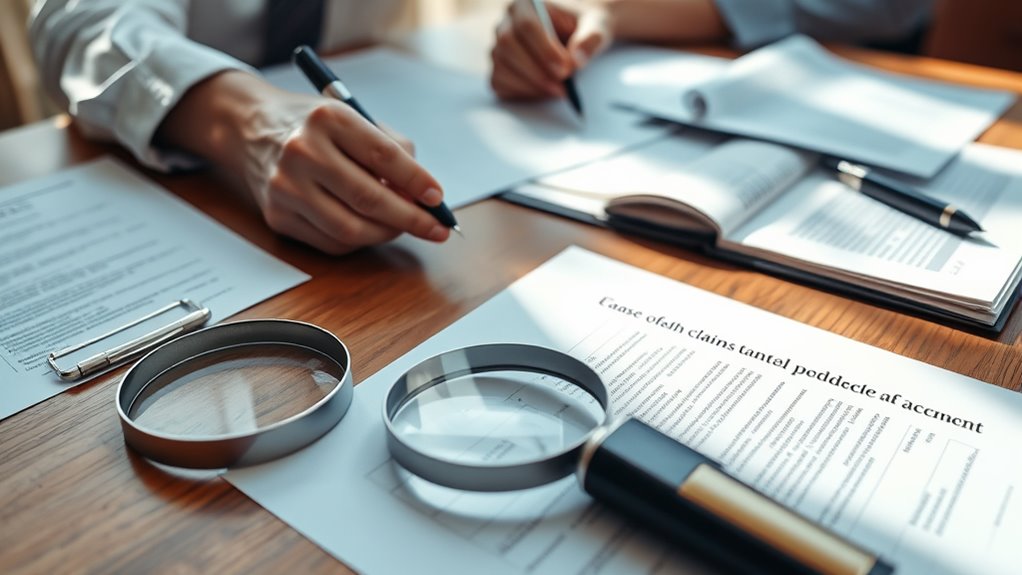

Small claims court records are essential for landlords and tenants to verify past disputes, unpaid rent, or eviction notices. These records show key details like claims, defenses, and court outcomes, helping you make informed decisions and avoid future conflicts. You can find these records online or at the courthouse with case details like names and dates. Continue exploring to learn how to access and use these records effectively.
Key Takeaways
- Small claims court records reveal tenant payment history, eviction notices, and disputes over security deposits, aiding informed decisions.
- Access records through courthouse visits or online databases using party names, case numbers, or filing dates.
- Court documents include claims, defenses, and judgments, providing detailed dispute information and verification evidence.
- Be aware of potential fees and privacy restrictions; staff can assist in locating and requesting specific case documents.
- Start searches early with complete case details, and visit in person if online records are unavailable or incomplete.
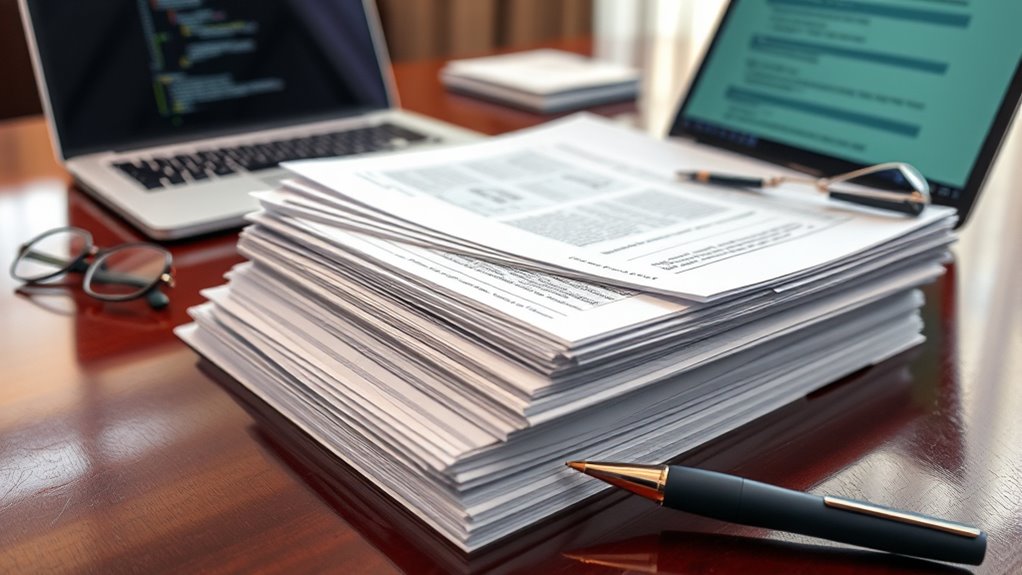
Have you ever wondered how to access information about past small claims cases? Whether you’re a landlord wanting to verify a tenant’s history or a tenant needing proof of a dispute, understanding how to navigate small claims court records is essential. These records can reveal whether a tenant has a history of unpaid rent or disputes over security deposits and can also show if a landlord has filed eviction notices or claims related to unpaid rent. Accessing this information can help you make informed decisions and avoid future conflicts.
To find small claims court records, start by knowing where to look. Most cases are filed and stored at the courthouse in the jurisdiction where the dispute occurred. Many courts now offer online databases or electronic filing systems, making it easier for you to search without visiting in person. When searching, you’ll typically need details like the names of the parties involved, the case number, or the approximate date of filing. If you’re researching a landlord or tenant, having their full name and address can considerably speed up your search.
Start your search at the courthouse or online with case details like names, case number, or filing date.
Once you locate the case records, you’ll gain access to documents related to eviction notices, claims over unpaid rent, security deposit disputes, and other relevant issues. For example, if a tenant claims that a landlord withheld their security deposit illegally, the court records will show the initial claim, any responses from the landlord, and the final judgment. Conversely, if a landlord filed an eviction notice, the case records will detail the reason for eviction and the court’s ruling. These records are often public and contain detailed information about the claims, defenses, and outcomes, giving you a complete view of past disputes.
Understanding how court records are maintained can help you better navigate the process and ensure you access the most accurate information. It’s important to understand that some courts may require a small fee to access records, especially if you request official copies. Additionally, privacy laws can restrict certain details, so not every piece of information may be available online. If online searches don’t yield results, you can visit the courthouse directly and request access to physical records. Courthouse staff can guide you through the process, whether you’re looking for cases involving eviction notices or disputes over security deposits.

Turntable Phono Cartridge Stylus Alignment Protractor Tool Precisions Vinyls Record Player Cartridge Alignment Protractors Tool for Vinyl Record Precision Calibration
Precision Calibration for Turntables: The Turntable Phono Cartridge Stylus Alignment Protractor Tool ensures impeccable sound experiences by offering…
As an affiliate, we earn on qualifying purchases.
As an affiliate, we earn on qualifying purchases.
Frequently Asked Questions
How Can I Access Small Claims Court Records Online?
If you’re wondering how to access small claims court records online, start by visiting your local court’s online portal. These portals typically provide record availability, allowing you to search for case information easily. You’ll need to know details like case numbers or parties involved. Keep in mind, some records might require a fee or specific permissions. Accessing records online saves time and gives you quick insight into case histories.
Are Small Claims Court Records Public or Private?
Think of small claims court records as open books in a quiet library—public and accessible to anyone, yet sparking privacy concerns. These records are generally public, but errors can tarnish reputations if not corrected. You should stay vigilant about record accuracy and understand that, while transparency promotes accountability, sensitive details may be protected depending on jurisdiction. Always check local rules to navigate the balance between openness and privacy.
How Long Do Small Claims Court Records Stay Available?
Small claims court records generally stay available for a certain period, depending on your jurisdiction’s record retention policies. Usually, these records remain accessible for several years, which can raise privacy concerns. You should be aware that, in some cases, records might be sealed or destroyed after a specific timeframe, but in others, they stay public longer. It’s important to check local laws to understand how long your records are accessible and protect your privacy.
Can I Seal or Erase a Small Claims Court Record?
You might wonder if you can seal or erase a small claims court record. Generally, record sealing or erasure isn’t automatic and depends on your state’s laws. In some cases, you can request to seal your record after a certain period or if you meet specific criteria. Check with local courts or legal resources to understand your options for record sealing or erasure, and whether you qualify.
What Information Is Typically Included in Small Claims Court Records?
When you ask what information is in small claims court records, you should know that these records include court document terminology like case numbers, dates, parties involved, and the case outcome. Typically, they detail the nature of the dispute and any judgments. While court records are public, record confidentiality varies; some details may be sealed or protected based on court rules, so it’s good to check specific guidelines.

BookFactory Tenant Tracker Record Book/Rental Tracking Log Book – Wire-O, 100 Pages, 8.5'' x 11'' (Made in USA)
Made in USA – Proudly produced in Ohio by a Veteran-owned business
As an affiliate, we earn on qualifying purchases.
As an affiliate, we earn on qualifying purchases.
Conclusion
Think of small claims court records as your personal treasure map—each document guiding you through the twists and turns of legal disputes. When you understand how to read these records, you’re better equipped to navigate the maze of landlord-tenant issues. Keep your eyes open and your mind sharp; with this map in hand, you’ll find your way more confidently, ensuring you’re always one step ahead in protecting your rights and interests.
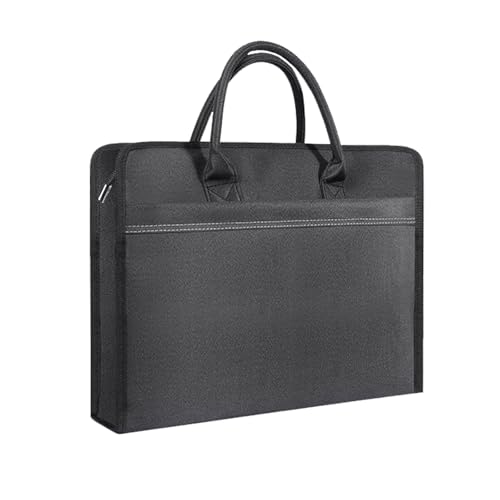
yufocusqc Oxford Document Bag with Handle and Meeting Office Organizer Handbag Briefcase for Carrying Paper Files 1 Pack Black
GREAT QAULITY: The document bag with zipper is made of high quality oxford cloth which is waterproof, anti-wrinkle,…
As an affiliate, we earn on qualifying purchases.
As an affiliate, we earn on qualifying purchases.
landlord tenant dispute file
As an affiliate, we earn on qualifying purchases.
As an affiliate, we earn on qualifying purchases.