
Pre-employment checks happen once before hiring and verify facts like criminal records and credentials, helping you filter unsuitable candidates from the start. Continuous monitoring, on the other hand, is ongoing, tracking real-time activities to spot emerging risks or compliance issues during employment. Together, they create a layered approach—initial screening plus ongoing oversight—that keeps your workforce safe and compliant. Keep exploring to understand how these tools work together effectively.
Key Takeaways
- Pre-employment checks verify background data once before hiring, providing a baseline snapshot of an applicant’s history.
- Continuous monitoring tracks ongoing employee activities and legal compliance throughout their employment tenure.
- Checks focus on historical information; monitoring provides real-time updates on risks and compliance issues.
- Pre-employment checks help prevent unsuitable hires; monitoring detects emerging risks like legal or safety violations.
- Both practices create a layered defense, enhancing organizational safety, risk management, and compliance across the employee lifecycle.
Differentiating Timing and Scope

Understanding the differences in timing and scope between pre-employment checks and continuous monitoring is essential for effective risk management. Pre-employment checks happen once, before you hire someone, providing a snapshot of their background at that moment. They focus on historical data like criminal records, employment history, and credentials. In contrast, continuous monitoring is an ongoing process that spans the employee’s entire tenure. It tracks real-time updates on legal, financial, and compliance statuses, sending alerts when issues arise. The scope of pre-employment checks is limited to initial suitability, while continuous monitoring covers evolving risks, such as license lapses or legal changes. Recognizing these timing and scope differences helps you implement appropriate controls at each stage of employment. Additionally, vetted processes ensure that both checks are comprehensive and reliable throughout the employment lifecycle. Incorporating real-time data enhances the effectiveness of ongoing oversight and helps mitigate emerging risks promptly. Employing efficient ledger coding can streamline record-keeping related to ongoing compliance and monitoring efforts. Regular updates and automated alerts can further optimize risk management by ensuring timely responses to changes. Moreover, understanding timing and scope allows HR teams to align their policies with best practices for compliance and risk mitigation.
Primary Objectives and Risk Management Strategies

The primary objectives of pre-employment checks and continuous monitoring center on managing different phases of employee risk. Pre-employment checks focus on screening candidates before hiring, aiming to prevent unsuitable hires, reduce initial liabilities, and verify credentials. Incorporating symbolism can help interpret early warning signs during screening, providing deeper insights into potential risks. For instance, understanding celebrity lifestyle insights can shed light on behavioral patterns that might impact workplace conduct. Implementing essential oil insights can also enhance understanding of behavioral cues, as certain scents are associated with emotional states that could influence employee performance. Continuous monitoring, on the other hand, aims to identify emerging risks throughout employment, such as legal issues, compliance lapses, or behavioral concerns. Your strategy should balance these tools to create a layered defense: using pre-employment checks to establish a trustworthy baseline and ongoing monitoring to adapt to changing circumstances. Both approaches help you maintain a safe, compliant workplace while minimizing legal exposure. The goal is proactive risk management—detecting potential issues early and addressing them before they escalate. Incorporating high refresh rates in projectors can enhance real-time monitoring visuals, providing clearer and more responsive displays for security or compliance purposes. Additionally, staying informed about employee behavior patterns can further improve your risk mitigation efforts.
Industry-Specific Applications and Importance

In industries like healthcare, finance, and transportation, ongoing monitoring becomes essential to meet regulatory requirements and guarantee safety. You need real-time oversight to manage risks effectively and stay compliant with evolving standards. You can also utilize well-being tips to support the physical and mental health of staff involved in monitoring processes, which can improve overall safety and efficiency. Incorporating personalized care approaches into staff wellness programs can further enhance resilience and focus. Understanding how continuous monitoring applies specifically to your sector helps you protect your organization and its stakeholders. Implementing vetted safety measures ensures that monitoring is both effective and trustworthy, safeguarding all parties involved. Regular updates and sector-specific protocols are crucial to adapt to industry changes and enhance overall security.
Healthcare Regulatory Compliance Needs
Healthcare organizations face strict regulatory requirements that demand rigorous employee screening and ongoing oversight. You need to guarantee staff meet licensing standards, maintain compliance, and avoid violations. Continuous monitoring plays a crucial role by providing real-time updates on employee credentials, legal issues, and compliance status. This proactive approach aligns with creative practice principles, encouraging ongoing refinement and adaptation to regulatory changes. This helps you:
- Track license renewals and suspensions instantly
- Detect new legal actions or sanctions
- Ensure ongoing adherence to industry regulations
Financial Sector Risk Mitigation
Financial institutions face heightened risks related to fraud, money laundering, and insider threats, making ongoing oversight essential. Continuous monitoring helps you detect suspicious transactions, unusual account activities, and compliance breaches in real-time. By tracking employee financial behaviors and external data sources, you can identify potential insider threats early, reducing fraud exposure. Additionally, integrating appliance testing protocols can prevent operational disruptions that may impact security measures. Regularly reviewing payment data protection practices ensures that your security measures stay effective against evolving threats. Implementing robust cybersecurity measures further defends against cyberattacks that could compromise financial data. Regulatory requirements, like anti-money laundering laws, demand proactive oversight, which continuous monitoring facilitates. It also helps you adapt quickly to evolving risks, ensuring your institution stays compliant and maintains trust. Incorporating analytical thinking into your monitoring processes allows for better interpretation of complex data patterns, strengthening your detection capabilities. Combining ongoing oversight with initial vetting creates a stronger defense against financial crimes. This industry-specific application not only safeguards your assets but also strengthens your reputation by demonstrating a commitment to integrity and regulatory adherence. Regular security updates and employee education are also crucial to maintaining effective security measures.
Transportation Safety Monitoring
Transportation safety monitoring is essential for guaranteeing that employees operating vehicles or handling sensitive cargo stay compliant with safety regulations and maintain high standards of performance. It provides real-time updates on driver behavior, vehicle conditions, and regulatory compliance, helping you address issues before they escalate. With continuous oversight, you can:
- Detect risky driving behaviors like speeding or harsh braking
- Monitor vehicle maintenance and prevent breakdowns
- Ensure compliance with hours-of-service regulations to avoid violations
- Incorporate AI-powered data analytics to predict and prevent potential safety issues before they occur
This ongoing process helps reduce accidents, liability, and regulatory fines. It also fosters a safer work environment, protecting both employees and cargo. By leveraging real-time data and alerts, you stay proactive, ensuring transportation safety is maintained at all times.
Legal Frameworks and Compliance Requirements

You need to understand how consent and disclosure laws, along with data privacy regulations, shape your screening practices. These laws require you to be transparent with employees and candidates about what information you collect and how you use it. Compliance with the Fair Credit Reporting Act is essential to avoid legal risks when conducting background checks or continuous monitoring.
Consent and Disclosure Laws
Legal frameworks governing consent and disclosure laws make certain that employers obtain proper authorization before conducting both pre-employment checks and continuous monitoring. You must clearly inform candidates and employees about what data you’ll collect, how you’ll use it, and their rights. Failure to do so can lead to legal penalties or disputes. To stay compliant, consider these key points:
- Always obtain written consent before any background or ongoing checks.
- Clearly explain the purpose of data collection and monitoring activities.
- Provide employees with access to their information and the option to dispute inaccuracies.
Data Privacy Regulations
Guiding data privacy regulations is essential for organizations to guarantee their monitoring practices remain lawful and respectful of employee rights. You must understand federal, state, and industry-specific laws that govern data collection, storage, and sharing. Compliance begins with obtaining proper consent and providing transparent disclosures about how data is used. You need to ensure data minimization—collecting only what’s necessary—and secure storage to prevent breaches. Regular audits help verify adherence to privacy standards. Recognize employees’ rights to access, correct, or delete their data, and respect restrictions on monitoring certain personal information. By embedding privacy protections into your policies and training staff accordingly, you reduce legal risks and foster trust. Staying current with evolving regulations is crucial for responsible monitoring and overall legal compliance.
Fair Credit Reporting Act
The Fair Credit Reporting Act (FCRA) establishes essential rules for conducting background checks and continuous monitoring, ensuring these processes respect employees’ rights while providing employers with accurate information. You must obtain written consent before performing any background or ongoing checks. Transparency is key—you need to inform employees about what data you’re collecting and how you’ll use it. FCRA also requires that you:
- Disclose the purpose of the check upfront
- Provide candidates or employees with a copy of the report if adverse actions are taken
- Allow individuals to dispute inaccurate or outdated information
Staying compliant means regularly reviewing your policies and ensuring your screening practices align with legal standards. Failing to follow these rules can lead to legal challenges and hefty penalties.
Technologies and Methods Employed

Technologies and methods employed in pre-employment checks and continuous monitoring have evolved considerably, leveraging automation and real-time data sources to enhance accuracy and efficiency. Pre-employment screening typically uses automated software to verify identity, credentials, employment history, and criminal records quickly. These systems streamline background checks, reducing manual effort and turnaround times. Continuous monitoring, on the other hand, taps into live data feeds, court records, license databases, and watchlists to track ongoing employee activities. Advanced tools like direct-source data collection and social media analysis help detect changes in legal, financial, or compliance statuses promptly. Integration with employer compliance systems ensures seamless updates and alerts. Overall, these technologies enable proactive risk management, providing you with timely insights that support informed decision-making throughout the employee lifecycle.
Advantages and Limitations of Each Approach

Both pre-employment checks and continuous monitoring offer distinct advantages and face specific limitations that organizations must consider. Pre-employment checks give you a reliable baseline to assess a candidate’s suitability before hiring. They are straightforward, quick, and help reduce initial hiring risks. However, they only provide a snapshot of past behavior and don’t capture ongoing issues. Continuous monitoring delivers real-time updates, alerting you to new risks like license lapses or legal incidents. It helps you stay proactive and maintain compliance. Still, it can raise privacy concerns and might be perceived as intrusive if not managed carefully.
- Pre-employment checks are quick but don’t show ongoing changes.
- Continuous monitoring offers real-time insights but needs careful privacy handling.
- Both are essential to manage risks effectively throughout employment.
Employee Lifecycle and Monitoring Needs
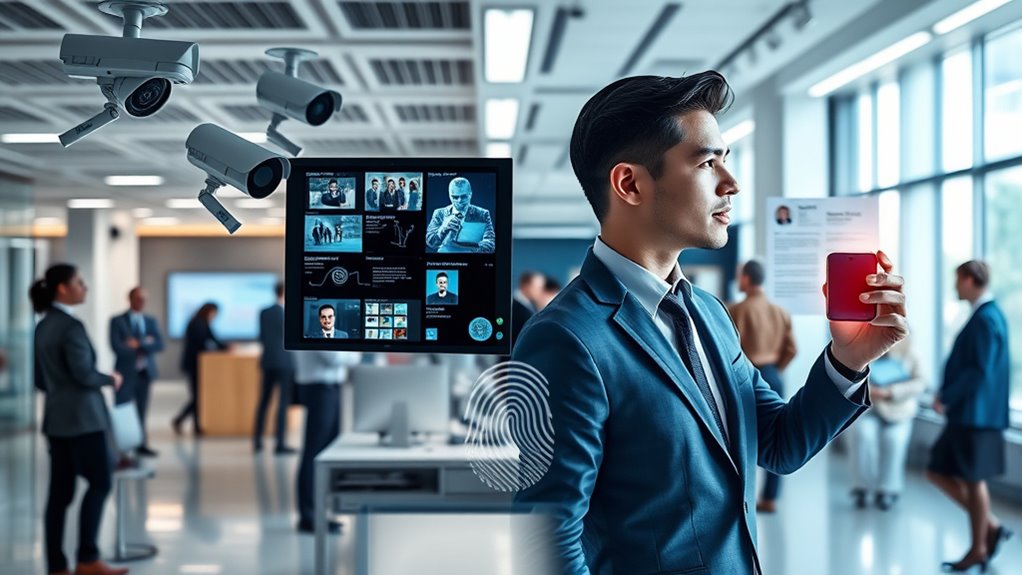
Managing employee risks effectively requires tailored monitoring strategies throughout the entire employee lifecycle. At each stage, your needs shift—from initial vetting to ongoing oversight. During onboarding, pre-employment checks confirm suitability. Once hired, continuous monitoring tracks compliance, behavior changes, and risk factors. Think of it like this:
| Employee Stage | Monitoring Focus |
|---|---|
| Recruitment | Background verification, credentials |
| Onboarding | Initial compliance, role fit |
| Employment Period | Real-time updates, incident alerts |
| Offboarding | Exit procedures, final compliance checks |
This approach ensures you’re proactive, not reactive. Your organization stays aligned with legal requirements, mitigates risks early, and maintains a safe, compliant workforce throughout every phase of employment.
Ethical Considerations and Privacy Concerns

As organizations implement continuous monitoring, they must carefully navigate ethical considerations and privacy concerns to respect employee rights. You need to balance oversight with fairness, guaranteeing monitoring isn’t intrusive or discriminatory. Transparency is vital—employees should know what data is collected and how it’s used. Misuse or excessive surveillance can erode trust and lead to legal issues. Consider these points:
Prioritize transparency and fairness in continuous monitoring to protect employee rights and build trust.
- Protect employee data by limiting access and securing information.
- Obtain clear, informed consent before starting ongoing monitoring.
- Regularly review policies to ensure compliance with privacy laws and avoid bias.
Integrating Both Practices for Optimal Oversight

Integrating pre-employment checks with continuous monitoring creates a thorough oversight system that enhances workplace safety and compliance. You start by conducting exhaustive background assessments before hiring, ensuring candidates meet your standards. Once onboard, ongoing monitoring keeps an eye on evolving risks, such as license lapses or legal issues, providing real-time alerts. This combined approach allows you to make informed decisions at every stage of employment. You can proactively address emerging concerns, reducing liability and safeguarding your organization’s reputation. To implement this effectively, guarantee your policies comply with legal requirements and respect employee privacy. Use technology that seamlessly integrates background checks with ongoing data feeds. By aligning both practices, you establish a dynamic, resilient oversight process that adapts to changing circumstances and maintains a safe, compliant workplace.
Frequently Asked Questions
How Often Should Continuous Monitoring Be Updated for Maximum Effectiveness?
You should update continuous monitoring in real-time or at least daily for maximum effectiveness. This way, you catch any new risks, violations, or changes immediately, allowing you to act quickly. Some sensitive industries may require even more frequent updates, like hourly checks. Regular updates guarantee you’re always aware of your employees’ current statuses, helping you maintain compliance, safety, and trust in your workplace.
Can Pre-Employment Checks Predict Future Employee Misconduct?
Pre-employment checks can’t reliably predict future misconduct because they primarily assess past behavior and credentials. While they help identify potential red flags before hiring, they don’t account for changes or new risks that might arise later. You should view these checks as a baseline, not a crystal ball. To effectively manage ongoing risks, combine initial screening with continuous monitoring that tracks real-time updates and emerging issues.
What Are Common Privacy Safeguards in Continuous Monitoring Practices?
You should implement privacy safeguards like obtaining clear employee consent before starting continuous monitoring, ensuring transparency about what data you collect and how it’s used. Limit data access to authorized personnel, securely store all information, and regularly review your monitoring practices for compliance with laws. Providing employees with options to view or challenge their data helps protect their rights, fostering trust and minimizing legal risks.
How Do Industry Regulations Influence Monitoring and Screening Procedures?
Industry regulations shape your monitoring and screening procedures by requiring you to follow specific legal standards, such as obtaining employee consent and ensuring data privacy. You must implement transparent policies, conduct regular audits, and stay compliant with laws like the FCRA. Regulations also dictate what data you can access and how often you can perform checks, helping you avoid legal penalties while maintaining fair, ethical practices during employee vetting and ongoing monitoring.
Are There Specific Roles That Require Only Pre-Employment Checks?
You know what they say, “a stitch in time saves nine.” Some roles, especially low-risk or administrative ones, only need pre-employment checks because the potential harm is minimal. These positions don’t handle sensitive data or have access to critical systems. By focusing on initial vetting, you streamline hiring while maintaining a baseline of trust. However, always assess the specific risks to determine if ongoing monitoring is necessary for safety and compliance.
Conclusion
By balancing continuous monitoring with pre-employment checks, you get the best of both worlds—early risk detection and ongoing oversight. While pre-employment checks set the foundation, continuous monitoring keeps you vigilant as employees grow. Think of it like planting a seed and watering it regularly; both are essential for healthy growth. When combined thoughtfully, they create a resilient, trustworthy environment—protecting your organization just as a steady hand guides a ship safely through unpredictable waters.