
Geofence warrants allow law enforcement to access location data from tech companies for everyone in a certain area during a set time, raising serious privacy concerns. Innocent people can be caught in these broad searches, risking false accusations and mass surveillance. These warrants often don’t meet constitutional standards for specificity, sparking legal debates. To find out how this impacts your privacy and what’s being done to address it, keep exploring these complex issues.
Key Takeaways
- Geofence warrants collect location data from all devices in an area, capturing innocent people’s movements without probable cause.
- They rely on broad data sources like GPS, Wi-Fi, and cell towers, raising significant privacy and mass surveillance concerns.
- Critics argue geofence warrants violate Fourth Amendment protections due to their lack of specificity and overreach.
- Court rulings, such as the Fifth Circuit in 2024, have declared these warrants potentially unconstitutional for overreach.
- The increasing use of geofence warrants threatens to erode legal standards and privacy rights in digital investigations.
Understanding How Geofence Warrants Operate

To understand how geofence warrants operate, it’s essential to know that law enforcement requests location data from tech companies for all devices within a specific geographic area and time frame. These warrants target a broad set of devices, not individuals, and rely on data from GPS, cell towers, Wi-Fi, and Bluetooth. Companies like Google collect this information, often storing it in databases such as Sensorvault. When a warrant is issued, they provide anonymized device IDs, which law enforcement then analyze to identify potential suspects. They may later seek to match devices to specific people once they narrow down the list. This process allows authorities to cast a wide net during investigations, even without knowing who they’re looking for in advance. Data collection methods are crucial to understanding the scope and limitations of these warrants. Additionally, the use of geofence warrants raises significant privacy concerns, as vast amounts of data are accessed with minimal oversight. The broad scope of data accessed can lead to overreach, impacting the privacy rights of many innocent individuals. Understanding the scope of data collection involved is vital to appreciating the potential for privacy violations in these procedures. Moreover, the methods used can sometimes include location tracking data that is not directly related to criminal activity, further amplifying privacy risks.
The Rapid Growth of Geofence Requests by Law Enforcement
The use of geofence warrants by law enforcement has skyrocketed since their inception, reflecting their growing importance in digital investigations. In 2016, Google received its first request, but by 2019, the number surged to 9,000, and in 2020, it exceeded 11,500. By 2021, a quarter of all data requests from Google were geofence warrants. Agencies now rely on these tools when traditional leads fall short, such as in cases lacking witnesses or clear suspects. While companies like Apple and Uber also receive such warrants, the volume indicates a dramatic shift toward broad data collection. This rapid growth underscores law enforcement’s increasing reliance on digital location data, raising questions about the scope and legality of such widespread surveillance. The trend also highlights the importance of understanding privacy implications and legal boundaries surrounding digital data collection. As the volume continues to grow, concerns about mass surveillance and user privacy are becoming increasingly prominent in public discourse. Additionally, the lack of clear regulatory frameworks complicates efforts to balance privacy rights with law enforcement needs. The expansion of data collection practices also emphasizes the need for transparency and oversight to prevent potential abuses.
Privacy Risks for Innocent Bystanders and Citizens
Even if you’re not a suspect, your presence in a specific location can make you a target of geofence warrants. Law enforcement can request data on all devices in a designated area during a set time, capturing everyone present. This means you could be swept up in an investigation simply for being in the wrong place at the wrong time. Your movements, often tracked every few minutes, become part of a large data set available to authorities. Innocent bystanders may face scrutiny, false accusations, or wrongful arrests based on this information. Since providers like Google collect detailed location histories, law enforcement can access precise movement records without establishing probable cause. Location data collection is a common method used to gather such information, raising significant privacy concerns. This broad surveillance risks violating your privacy and chilling your freedom to move without fear of unwarranted scrutiny. As emerging technologies continue to evolve, these privacy concerns are expected to grow, raising questions about the balance between security and individual rights. Additionally, the potential for misuse or hacking of such sensitive data underscores the importance of robust privacy protections to safeguard citizens’ rights.
Legal Challenges and Constitutional Debates Surrounding Geofence Warrants
You might wonder how courts are handling the constitutional questions surrounding geofence warrants. Critics argue that these warrants violate the Fourth Amendment’s requirement for specificity and probable cause, leading to legal challenges. Recent court rulings, like the Fifth Circuit’s decision in 2024, suggest that geofence warrants may be considered categorically unconstitutional, sparking ongoing debates about privacy and law enforcement powers. Additionally, concerns about privacy protection continue to influence legal interpretations and policy discussions surrounding these warrants. The debate also encompasses the use of location data, which raises questions about the scope and limits of law enforcement surveillance.
Fourth Amendment Issues
Legal challenges to geofence warrants center on their potential violation of the Fourth Amendment, which guards against unreasonable searches and requires warrants to be specific and based on probable cause. Because geofence warrants cast a wide net over all devices in an area, critics argue they resemble general warrants, which are prohibited. These warrants often lack individual suspicion, raising concerns that law enforcement oversteps constitutional boundaries. Courts have debated whether such broad data collection aligns with the Fourth Amendment’s protections. In 2024, the Fifth Circuit Court of Appeals explicitly ruled that geofence warrants are “categorically prohibited,” emphasizing their overreach. Organizations like the Electronic Frontier Foundation advocate that these warrants undermine privacy rights, highlighting the ongoing constitutional debate about balancing effective policing and individual freedoms. Additionally, the increasing reliance on cybersecurity measures raises questions about how digital privacy rights are protected amidst evolving investigative techniques and the importance of digital privacy in protecting citizen rights. As digital data collection methods become more sophisticated, courts continue to scrutinize these practices to ensure they do not infringe on fundamental privacy rights, especially as advanced AI security tools are integrated into investigative processes. The debate over warrants and privacy underscores the need for clear legal standards to ensure constitutional protections are upheld in digital investigations.
Court Rulings and Precedents
Courts are actively scrutinizing the legality of geofence warrants, shaping the landscape of digital privacy rights. In 2024, the Fifth Circuit Court of Appeals ruled these warrants are “categorically prohibited by the Fourth Amendment,” emphasizing their broad, suspicionless nature. This decision reinforces the view that geofence warrants resemble general warrants, which are unconstitutional. Legal challenges from organizations like the Electronic Frontier Foundation argue that such warrants violate privacy protections by collecting data on all individuals in an area without specific suspicion. Lower courts are divided, with some approving warrants under strict oversight, while others condemn them as invasions of privacy. These rulings set important precedents, fueling ongoing debates about balancing law enforcement needs and constitutional rights in the digital age. Additionally, understanding the attention to detail involved in digital privacy cases is crucial for evaluating these complex legal issues. The evolving legal landscape reflects ongoing tensions between technological capabilities and constitutional safeguards.
Notable Cases Highlighting the Impact of Geofence Data
You should be aware that notable cases have shown how geofence data can lead to wrongful arrests and mistakes, sometimes harming innocent people. These incidents reveal how broad surveillance can violate privacy rights and cause serious personal consequences. Understanding these cases helps illustrate the risks and ethical concerns tied to the use of geofence warrants.
Wrongful Arrests and Mistakes
Despite their potential to solve crimes, geofence warrants have led to wrongful arrests that highlight significant risks of mistaken identity. Law enforcement often relies on broad location data, which can include innocent bystanders. For example, in some cases, people simply present in a targeted area become suspects without any direct evidence linking them to a crime. Mistaken identities can result in long detention periods, legal costs, and emotional trauma. Even after exoneration, individuals face stigma and disruption to their lives. These errors occur because geofence data captures everyone within a zone, not just suspects. As a result, innocent people are sometimes caught in investigations based solely on their proximity, making wrongful arrests a troubling consequence of the technology’s broad scope.
Privacy Violations and Concerns
Notable cases have revealed how geofence data can lead to significant privacy violations, often affecting innocent individuals. When law enforcement issues a geofence warrant, they collect location data from everyone within a specified area, regardless of suspicion. This broad approach means your movements can be tracked without probable cause, exposing your daily routines and private activities. Google and other providers store location data frequently, sometimes every two minutes, creating detailed movement histories. Innocent people can be swept into investigations simply by being in the wrong place at the wrong time. These practices raise concerns about mass surveillance, chilling free movement, and the erosion of privacy rights. Despite some successes, the lack of transparency and potential for abuse make geofence warrants a significant threat to personal privacy.
Comparing Traditional Search Methods With Geofence Approaches
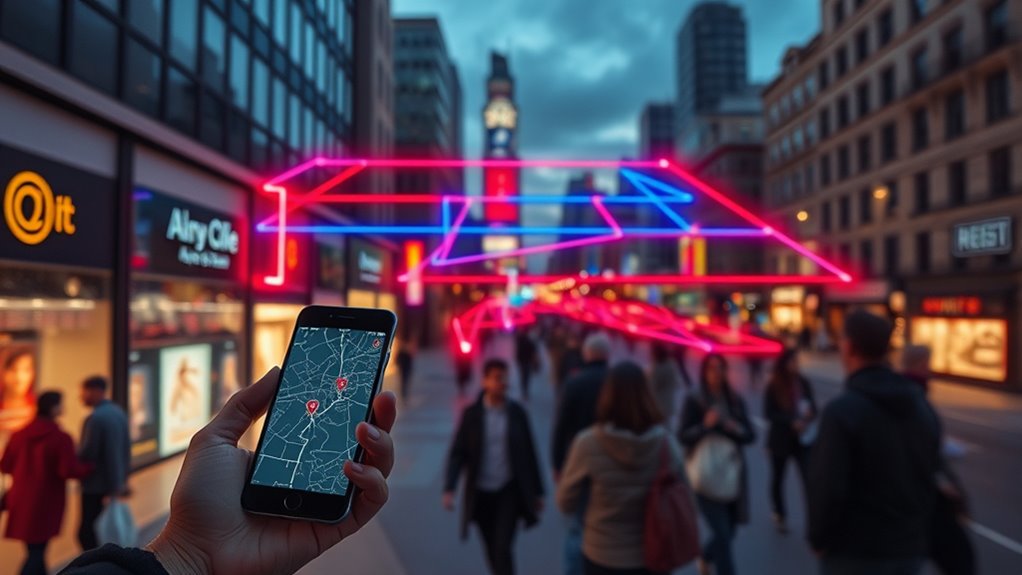
Traditional search methods focus on targeting specific individuals or locations based on probable cause, requiring law enforcement to demonstrate that evidence or suspects are linked to a particular person or place. These warrants are precise, focused, and rooted in constitutional protections, ensuring searches are limited and justified. In contrast, geofence warrants cast a wide net, capturing data from everyone in a designated area without needing probable cause for each individual. They target all devices present during a specific time, often leading to the collection of data from innocent bystanders. While traditional approaches prioritize suspect-specific investigations, geofence warrants prioritize broad data collection, raising significant privacy concerns. This fundamental difference highlights the shift from targeted searches to mass surveillance, with profound legal and ethical implications.
The Future of Privacy and Surveillance in the Age of Geofence Warrants
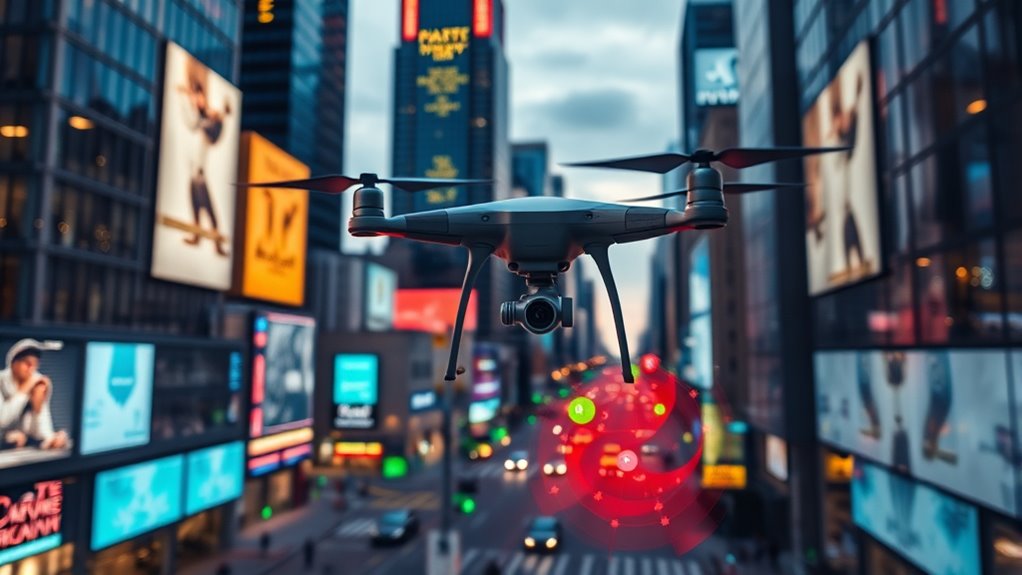
As geofence warrants become more prevalent, the landscape of privacy and surveillance is rapidly shifting toward broader, more invasive data collection practices. You might soon see a future where your movements are tracked not just when law enforcement suspects you but simply because you’re in a specific area. Imagine:
- Data collected every few minutes, creating a detailed timeline of your whereabouts.
- Multiple companies sharing location data without clear transparency.
- Law enforcement casting wide nets that include innocent bystanders.
- Legal standards weakening, making broad surveillance easier and harder to challenge.
This trend could lead to a world where privacy diminishes, and everyone’s movements are open to scrutiny. As technology advances, your rights to privacy may become more fragile, raising urgent questions about the balance between security and freedom.
Frequently Asked Questions
How Do Law Enforcement Select the Geographic Areas for Geofence Warrants?
You might notice that law enforcement selects geographic areas for geofence warrants based on the location of a crime or incident. They define a specific boundary—such as a neighborhood, street, or vicinity—where the event occurred or where evidence suggests suspects or witnesses could be. They use details like the crime scene, surveillance footage, or tips to narrow down the area, aiming to capture relevant data without targeting specific individuals initially.
Are There Any Legal Limits on the Size of Areas Covered by Geofence Warrants?
No, there aren’t strict legal limits on the size of areas covered by geofence warrants. Courts have yet to set precise boundaries, leaving law enforcement the freedom to cast a wide net like a fisherman’s line, pulling in everything within that zone. This broad scope fuels controversy, as the law struggles to keep pace with technology, risking overreach and infringing on innocent people’s privacy without clear, firm restrictions.
Can Individuals Opt Out of Location Tracking to Avoid Geofence Warrant Implications?
You can’t fully opt out of location tracking to avoid geofence warrant implications, as many devices automatically collect data through apps, Wi-Fi, and cell towers. Turning off location services helps, but some data may still be gathered indirectly. To reduce tracking, consider minimizing app permissions, disabling Wi-Fi and Bluetooth when not needed, and using privacy-focused tools. However, complete avoidance isn’t guaranteed, especially if law enforcement requests data from providers.
What Measures Exist to Prevent Misuse or Overreach of Geofence Warrant Data?
You can’t put all your eggs in one basket, but measures are in place to prevent misuse of geofence warrant data. Legal standards, court rulings, and ongoing debates aim to limit overreach, requiring warrants to be specific and based on probable cause. Tech companies are increasingly transparent, and watchdog organizations monitor law enforcement practices. These efforts serve as guardrails, helping guarantee that data isn’t used improperly or excessively.
How Transparent Are Companies About Receiving and Complying With Geofence Warrants?
Companies vary in transparency about geofence warrants. Some disclose the number of requests they receive, like Google and Apple, while others remain silent. You might not always know when your data is shared, as providers often don’t publicize specific cases or warrant details. Although some organizations are more open, overall, transparency is limited, making it hard for you to assess how frequently and openly companies comply with law enforcement requests.
Conclusion
As you navigate this rapidly evolving landscape, remember that geofence warrants could revolutionize law enforcement—like wielding a double-edged sword. While they offer powerful tools to solve crimes, they also threaten your privacy in ways you can’t ignore. Stay informed and vigilant, because the balance between safety and privacy is teetering on a knife’s edge. Ultimately, your right to privacy is the most precious treasure you must fiercely defend in this high-tech world.